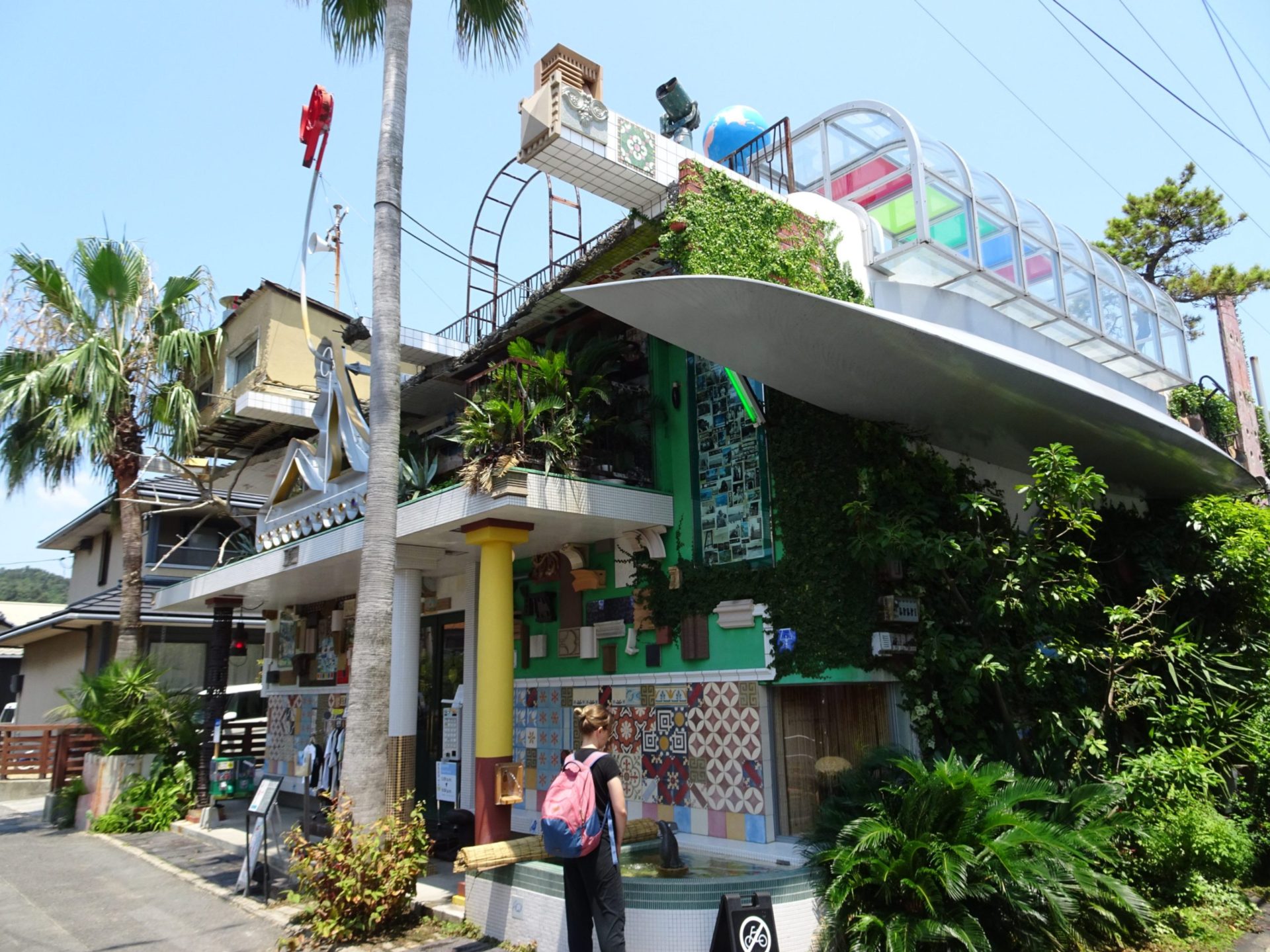
The Seto Inland Sea, which lies between Shikoku and southern Honshu, is home to lots of little islands, but I’m sure none of them are as interesting and off-beat as Naoshima, which has the fitting nickname “Art Island”.
Since the late 1980s, Naoshima has slowly been transformed from a sleepy fishing island to a unique open-air art museum. There are three big-name art museums on the island, as well as Honmura’s one-of-a-kind Art House Project, which converts abandoned buildings to immersive art installations.
Apart from that, there are lots of cool sculptures all over the island, including Naoshima’s two famous mascots in the form of gigantic pumpkins. It’s a quirky place and one I can’t recommend highly enough. Read on for my guide to Naoshima Art Island!

This post may contain affiliate links, and I might earn a small commission at no additional cost to you. For more info, click here.


Guided Tours of Naoshima
If you’d like to have the company of a local guide, there are a few guided tours of the island available. You can have a look at some well-rated options below.
What to See and Do on Naoshima
All the interesting art museums and installations are in the southern half of the island around the two main villages Miyanoura on the western and Honmura on the eastern side or along the southern coast of the island.
The northern half is dominated by industrial plants and smelters belonging to Mitsubishi Materials and there are no sights worth noting in that part of the island.
Honmura Art House Project
We really liked the big art museums on the island, but the unique Art House Project was what impressed us the most on Naoshima. From 1998 onwards, abandoned houses in the village of Honmura on the eastern coast of the island have been transformed into unique exhibition spaces.
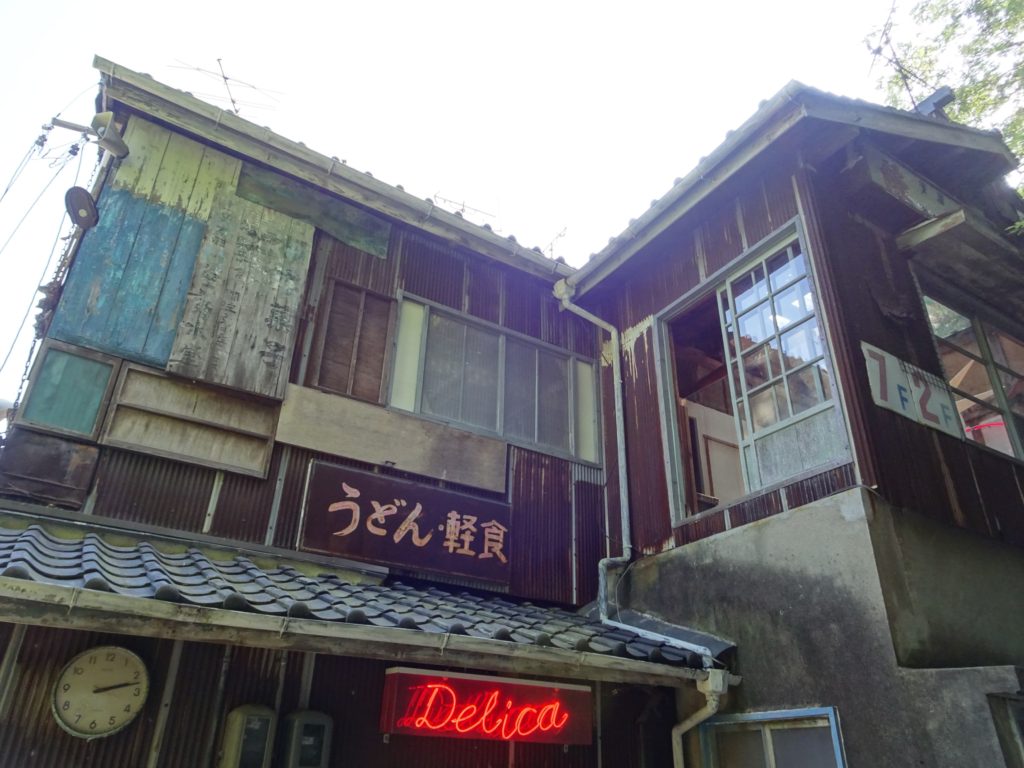
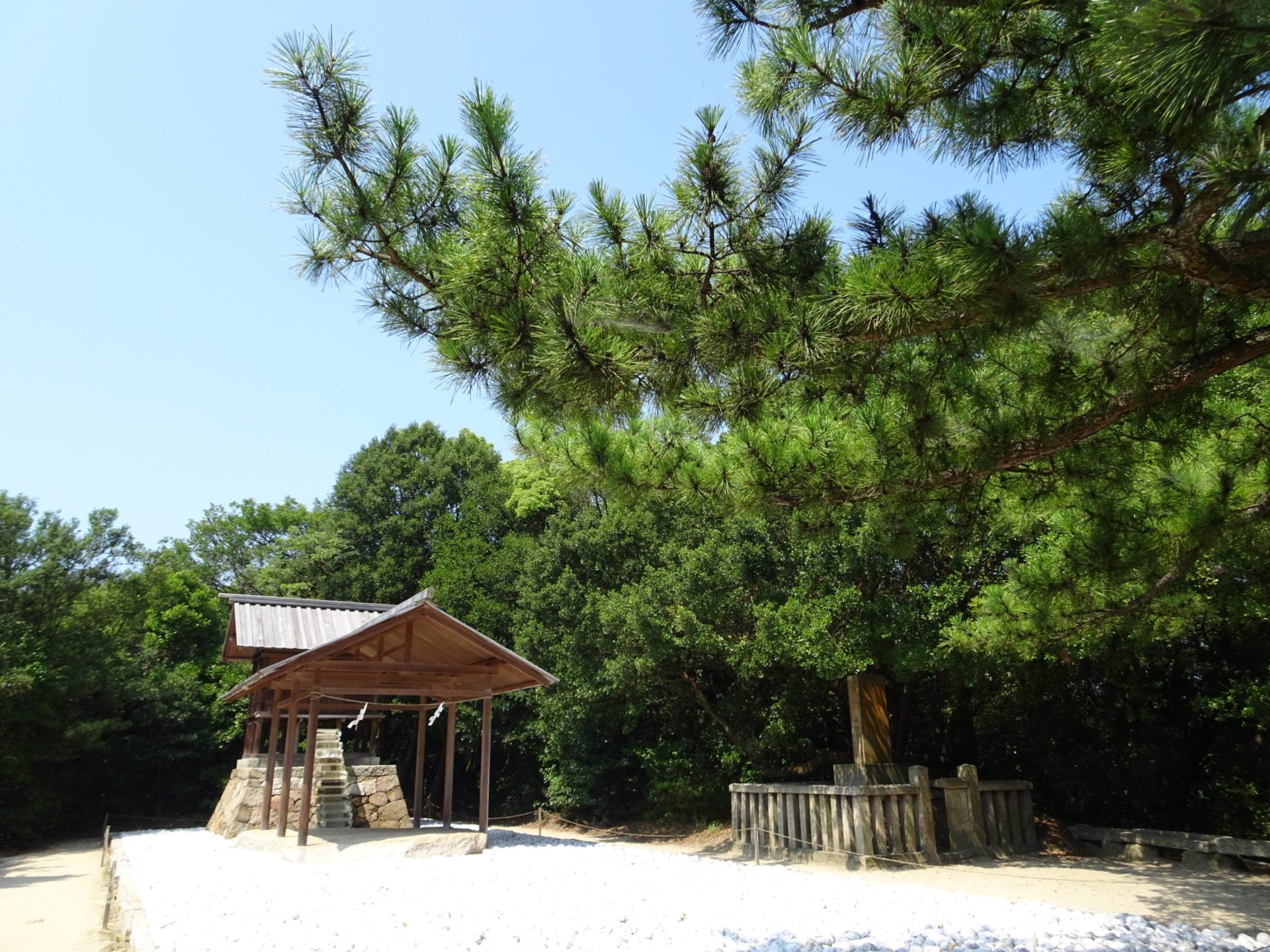
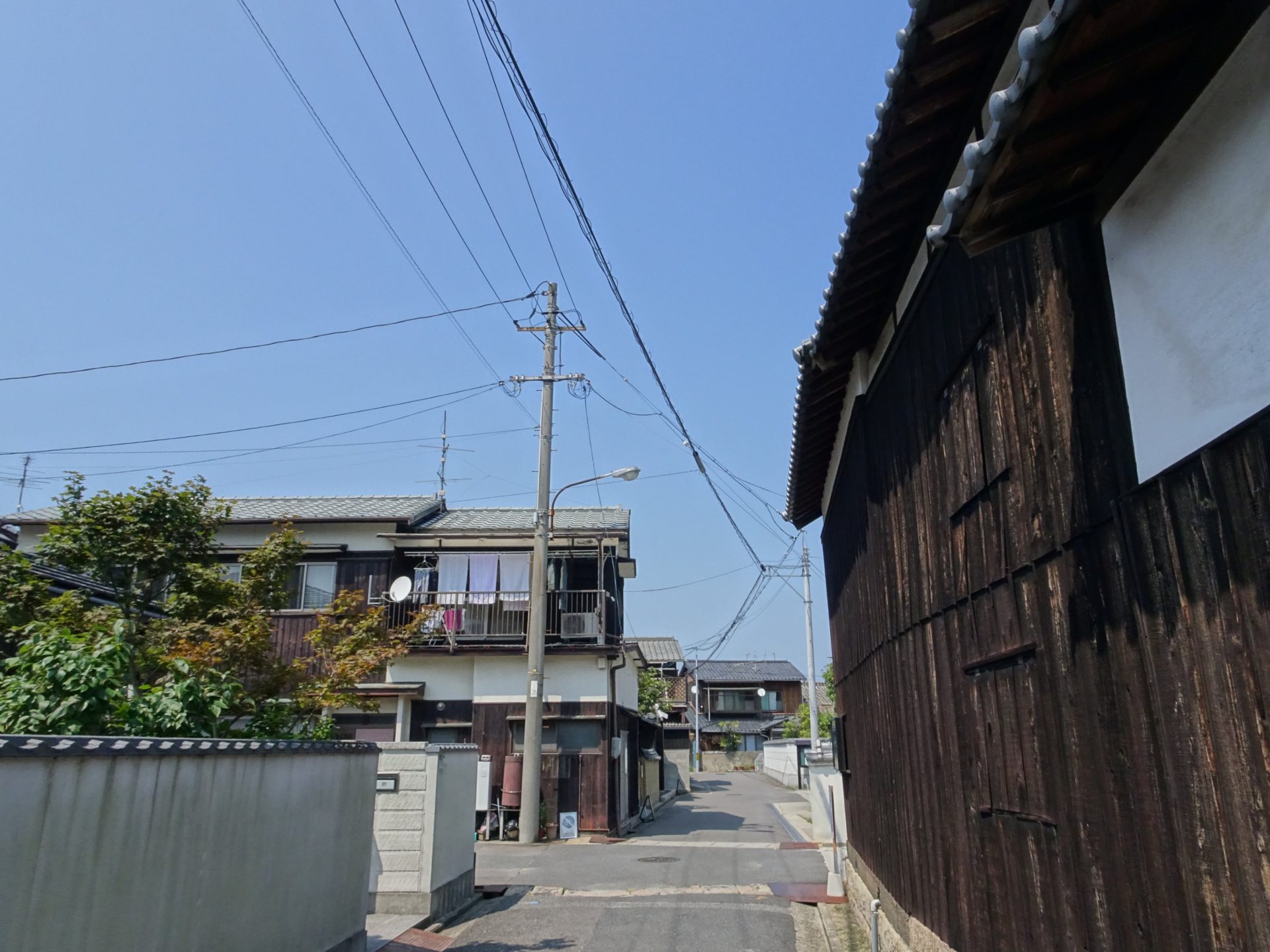
The interesting part is that the artists tried to incorporate the history of these places into their artworks. Many of them are immersive experiences and all are totally unique. Our favourites among the bunch were Haisha and Kadoya.
Visiting one house is 600¥ and a combination ticket for 5 of them is 1200¥. The houses all have different opening times, which you can check here, and some of them require reservations. There is a lot to see and digest, so I wrote a dedicated guide to the Art House Project.
Naoshima Hotel Tips
Budget: Dormitory in Kowloon
Midrange: Wright Style
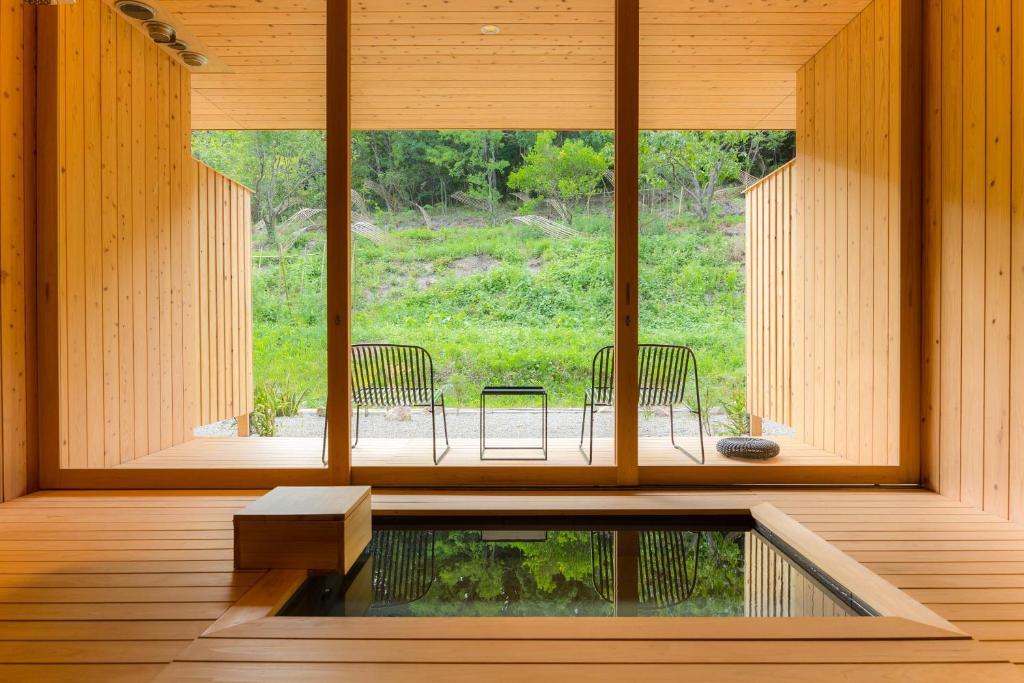
Luxury: Roka Ryokan (pictured)
.
Benesse House Museum
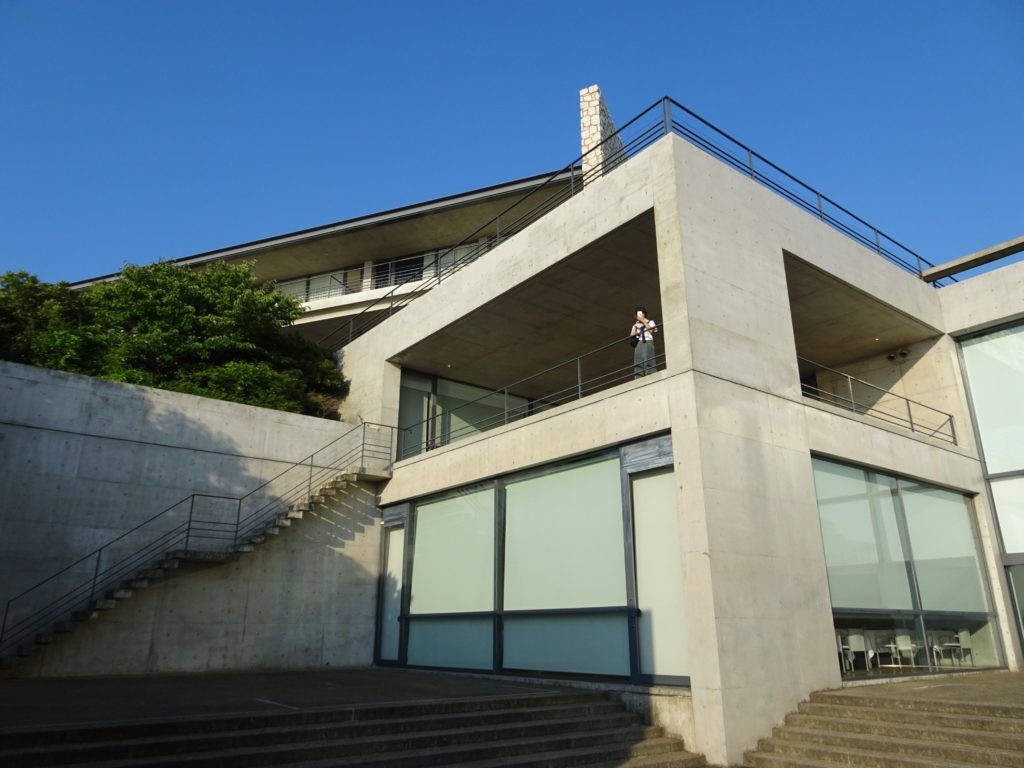
Like the other big museums on the island, this impressive exhibition site at the southern tip of the island was designed by famous Japanese Architect Tadao Andō. Inside, there’s an impressive array of modern art by Japanese and international artists, including Hiroshi Sugimoto, Robert Rauschenberg and David Hockney.
My favourite artwork in the museum was Yukinori Yanagi’s The World Flag Ant Farm which is basically a big ant farm with live ants burrowing themselves through the flags of the world made of sand. We were told that a print of Andy Warhol’s Flowers could be found in the museum as well, but we couldn’t find it at first.
After some time we realized that it was placed in the restaurant (which was closed), but after some contortions, we managed to sneak a peek through the window. I guess it really says something about the quality of a museum’s collection if they can afford to hang works by one of the most famous artists in the world in a place where you have to basically lay flat on your belly to see them.
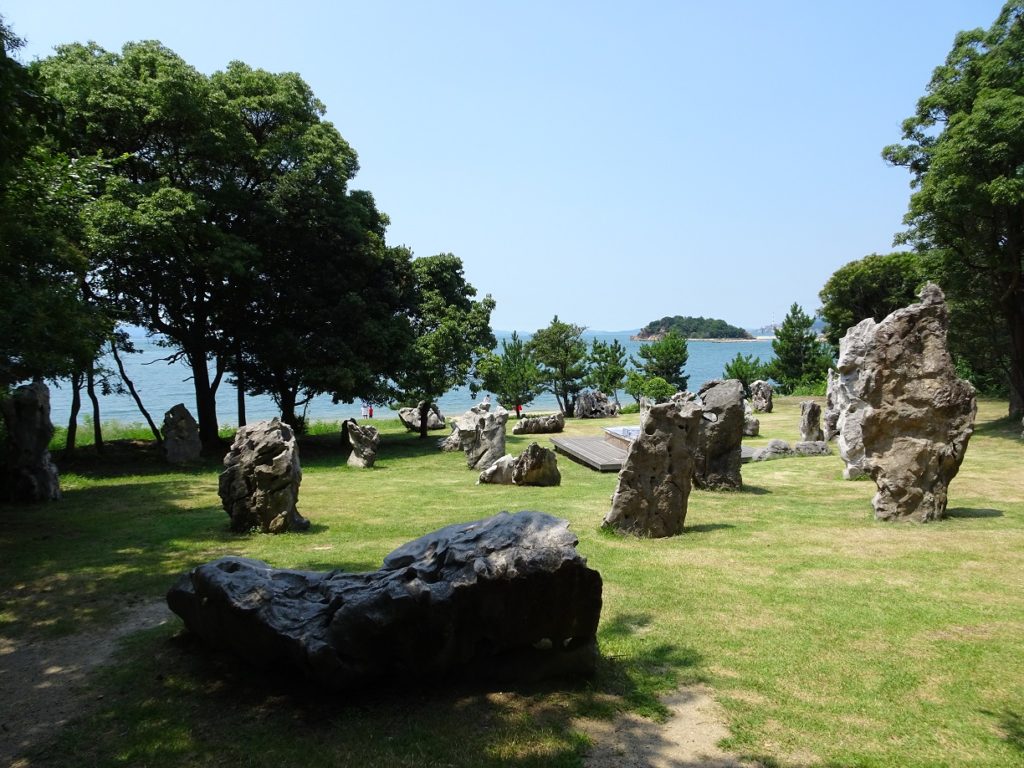
Something you definitely should do is have a walk around the small cape directly south of the museum as there are some interesting art installations there as well, which you can see without paying the entrance fee.
The ticket price for the museum itself is a bit steep at 1,500¥, but I’d say it’s still worth it if you’re the least bit interested in modern art (and if not, what are you doing on Naoshima? :). It’s a bit cheaper if you buy your ticket online. The museum is open from 9am to 8pm (double-check the current times here).
Lee Ufan Museum
Contrary to the other nearby museums, this one focuses exclusively on the work of a single person. Lee Ufan is a Korean artist who creates some beautiful minimalist paintings and sculptures. The museum is housed in a bunker-like underground structure, which was once again designed by Tadao Andō.
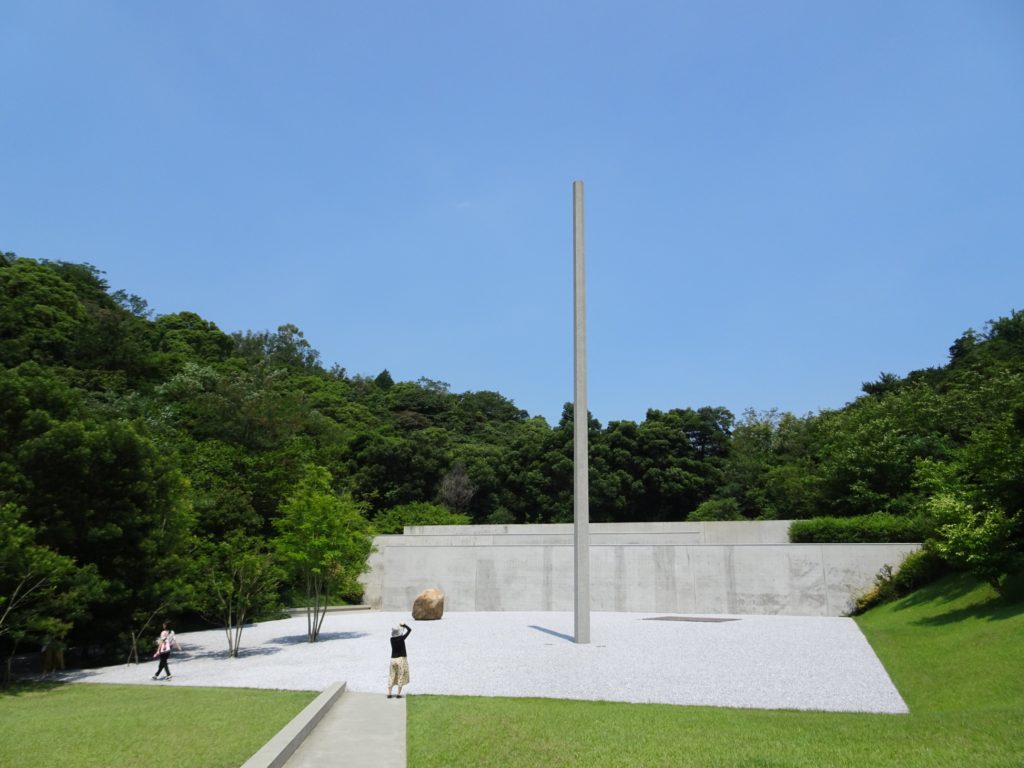
We liked it, but I guess it’s best to have a look online before to check whether or not the style is for you. The entrance fee is 1,400¥ and once again, it’s a bit cheaper if you buy your ticket online. You can check the current opening times here.
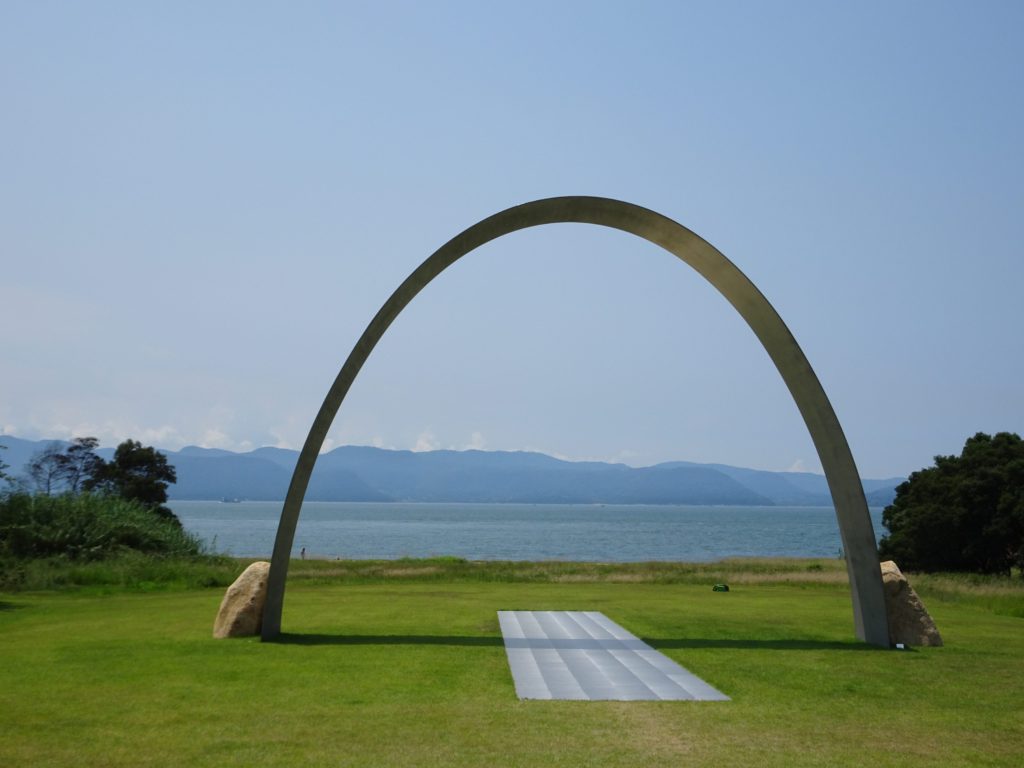
The garden right outside the door also has some sculptures and installations by Ufan, which you can check out for free, including his ‘Infinite Gate’ arch sculpture.
Chichu Art Museum
This is the third big art museum on the island, which is mostly constructed underground and is said to have works by Claude Monet, James Turell and Walter de Maria. The entrance is by timed ticket, you have to make a reservation for a timeslot if you want to go.
We weren’t aware of that when we dropped by, so we couldn’t visit and I can’t give you a personal take. I guess we have a reason to come back now, though. The entrance fee is 2,500¥ and you can check the current opening times here.
Naoshima Bath House I ♥ Yu
After walking through museums and past artworks all day, we really liked the chance to relax for a bit in this bathhouse in Miyanoura Village. This is a Sento, so unlike in an Onsen, the water doesn’t come from a warm spring, but is rather warmed artificially.
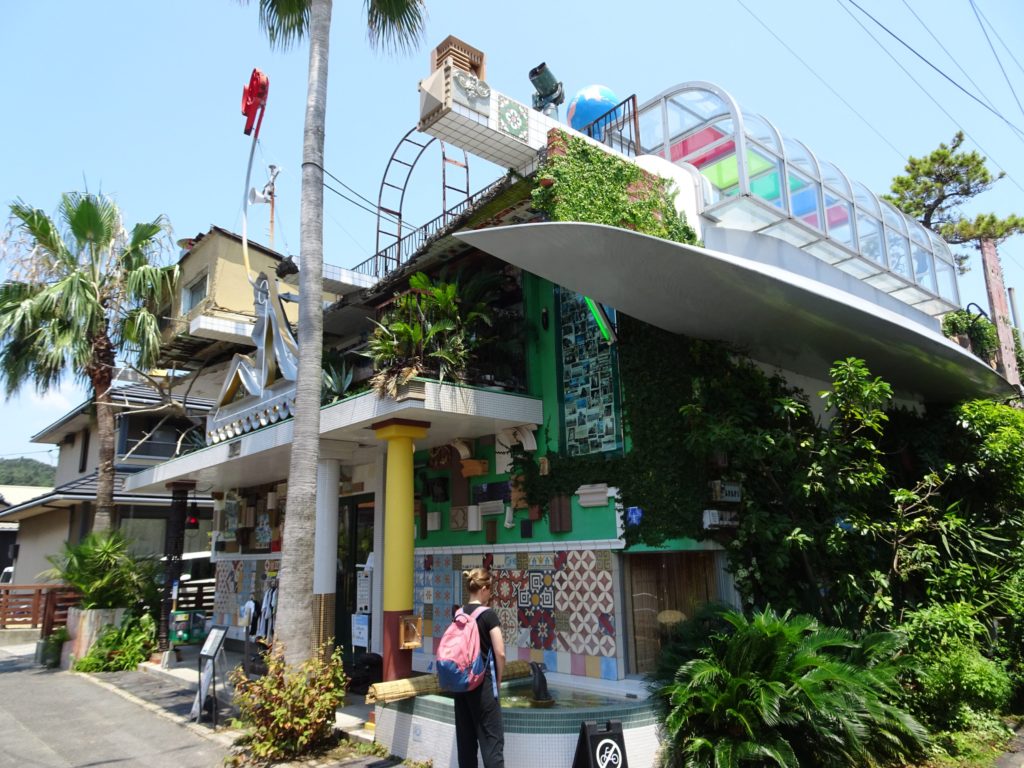
As this is still Naoshima, this isn’t your run-of-the-mill bath either. For instance, there’s a big elephant sculpture that stands on the dividing wall between the male and female bathing areas and when looking at the exterior we thought that it included every object that ever washed up on the island’s shores.
The entrance fee is 660¥. It’s open in the afternoon and evening (you can check the current times here).
Open-Air Artworks
All over the island we spotted countless sculptures, which ranged from pretty conventional to outright bizarre. It’s impossible to list them all, so I’ll just mention a few of our favourites.
Yayoi Kusama’s ‘Yellow Pumpkin’
The Yellow Pumpkin Sculpture was designed in 1994 by Yayoi Kusama and seems to be by far the most famous piece of art on the island, judging by how many people were standing in line to take their picture with it. We couldn’t refrain either:-).
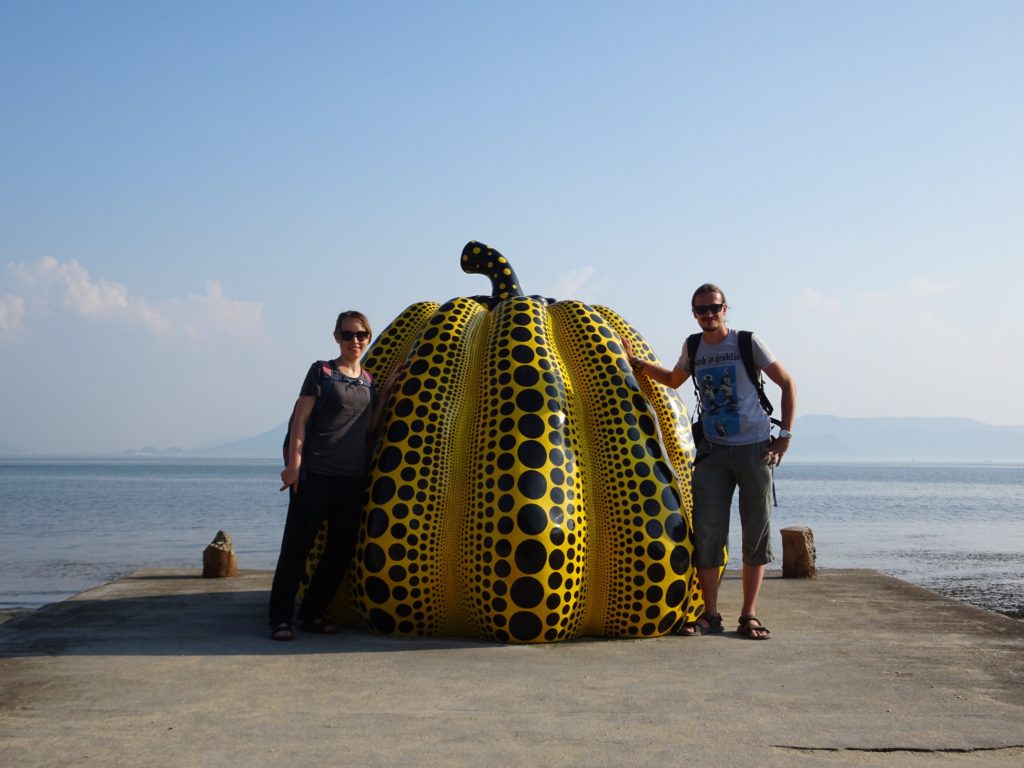
It can be found on a concrete pier at the Gotanji Swimming Beach a bit east of the Benesse House Museum. The nearby gardens of the hotel directly to the west also have some interesting sculptures, including a camel-flower-pot-hybrid creature and some other artworks by Niki de Saint Phalle.
Yayoi Kusama’s ‘Red Pumpkin’
I guess Yayoi Kusama really likes pumpkins, because she also created a Red Pumpkin Sculpture in 2006. It’s bigger than its yellow counterpart and you can even enter this one.
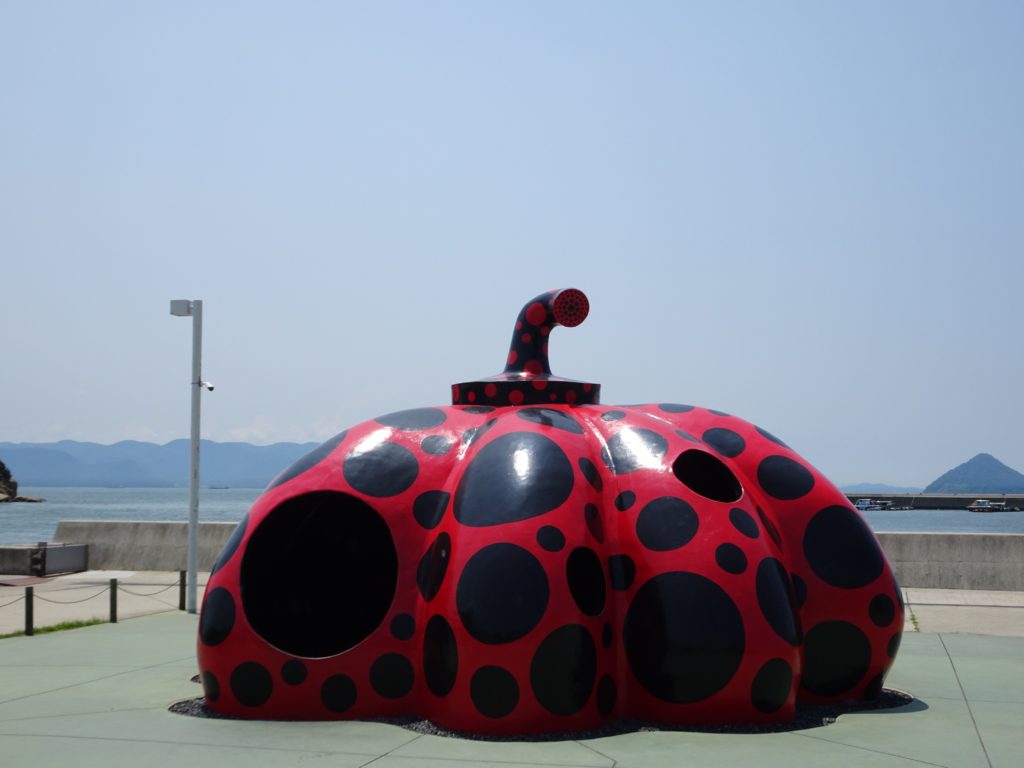
It can be found near the ferry port in Miyanoura Village. There are some other artworks nearby, including a cage-like sculpture called Naoshima Pavilion by Sou Fujimoto.
Kimiyo Mishima’s ‘Another Rebirth’
This 2005 sculpture of a giant trashcan by Kimiyo Mishima is a bit out of the way, but cool enough to warrant a visit in my opinion (if only to snap a wacky picture). To get there, turn north at the intersection directly north of the Lee Ufan Museum.
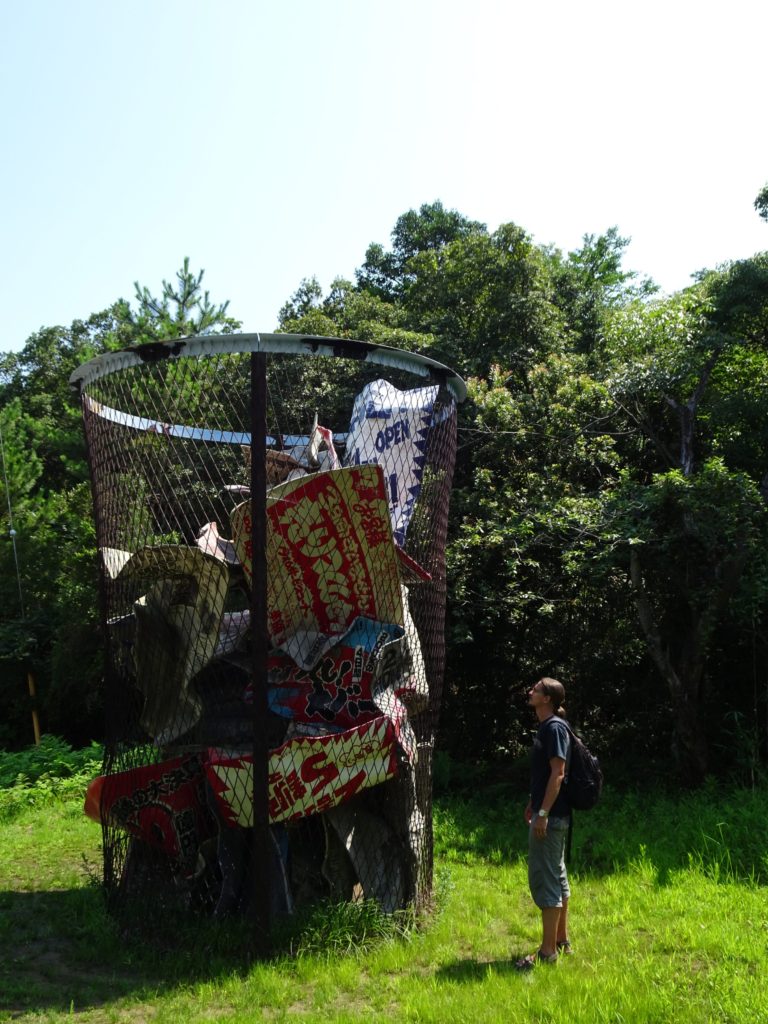
The road leads past a pretty lake, where we spotted lots of fireflies and a few tiny turtles. The artwork is at the southern tip of another lake.
Map of Naoshima
All the sights that I mentioned above can be found on this map of Naoshima.
Practicalities
How to Get to Naoshima
Ferries to Naoshima Island leave from Uno Port on Honshu (about 20 min.) or from Takamatsu on Shikoku (about 50 min.). You can check the timetables here. You can reach Uno Port by train from nearby Okayama in a little over an hour with a change in Chayamachi.
The artfulness of Naoshima seems to have migrated to the nearby mainland, as there are some interesting sculptures in Uno as well, including a Giant Boar Sculpture and the train station itself looks pretty cool, too, with its zig-zagging black lines all over the outer façade.
How to Get Around on Naoshima
We explored a lot of Naoshima on foot, as the island is rather small and all the art sites are located in the southern half. There’s also a bus service making the loop to all the major art museums, although it’s not super frequent. You can check the route and schedule on this site.
Where to Stay on Naoshima
We stayed in the budget-friendly Dormitory in Kowloon in Miyanoura Village on the opposite shore of the island. The area around Honmura also has a couple of midrange options, like Wright Style. The most luxurious option on the island is Roka Ryokan.
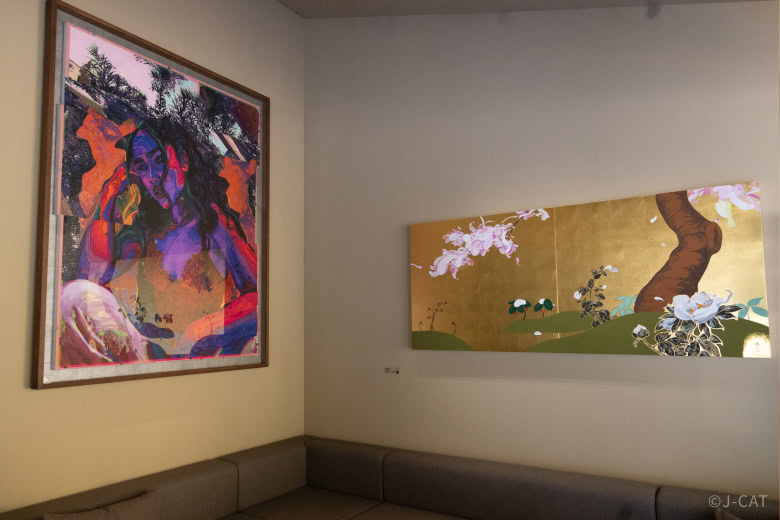
If you want to spend the night in a unique place on the island, you can stay in Roka Ryokan, a traditional Japanese guest house, which is decorated with lots of cool contemporary artworks. You can book a stay at this amazing place through Wabunka, which is a platform working with Japanese artisans to offer unique cultural experiences (photo credit: wabunka-lux.jp)
.
Where to Go Next
Okayama, Capital of Japan’s “Land of Sunshine”.
Miyajima Island, home to the amazing Itsukushima Shrine and its Floating Gateway