Honmura Town on the southeastern coast of Naoshima Island has made quite a transformation over the last few decades. Since the late 1990s, the empty shells of a few abandoned buildings in the sleepy fishing village have been remodeled and now hold very different and often pretty surprising art installations.
What we found most interesting about the place is that the goal was to create a kind of symbiosis between the historical architecture of the buildings and the modern art installations inside, so the artworks often incorporate their surroundings symbolically (and sometimes more literally).
It’s an ongoing project and every once in a while, a new location pops up, so apparently, there is always something new to discover. We checked out the six current sites and can tell you exactly which are worth visiting. Here’s everything you need to know about the Honmura Art House project.

This post may contain affiliate links, and I might earn a small commission at no additional cost to you. For more info, click here.





Guided Tours of Naoshima
If you’d like to have the company of a local guide, there are a few guided tours of the island available, most of which include the Honmura Art House Project. You can have a look at some well-rated options below.
The Sites of the Honmura Art House Project
Kadoya
One of my personal favourites was Kadoya, which holds Sea of Time ’98, an off-beat installation of digital clock displays in and around a pool of water in a completely dark room. It’s housed in a historical storehouse from the early 19th century and we found it surprisingly beautiful to look at.
The installation was designed by Tokyo-born artist Miyajima Tatsuo, who is known for incorporating LED displays in lots of his other works, as well. Kadoya can be found in the centre of the village slightly southeast of Gokaisho.
Naoshima Hotel Tips
Budget: Dormitory in Kowloon
Midrange: Wright Style
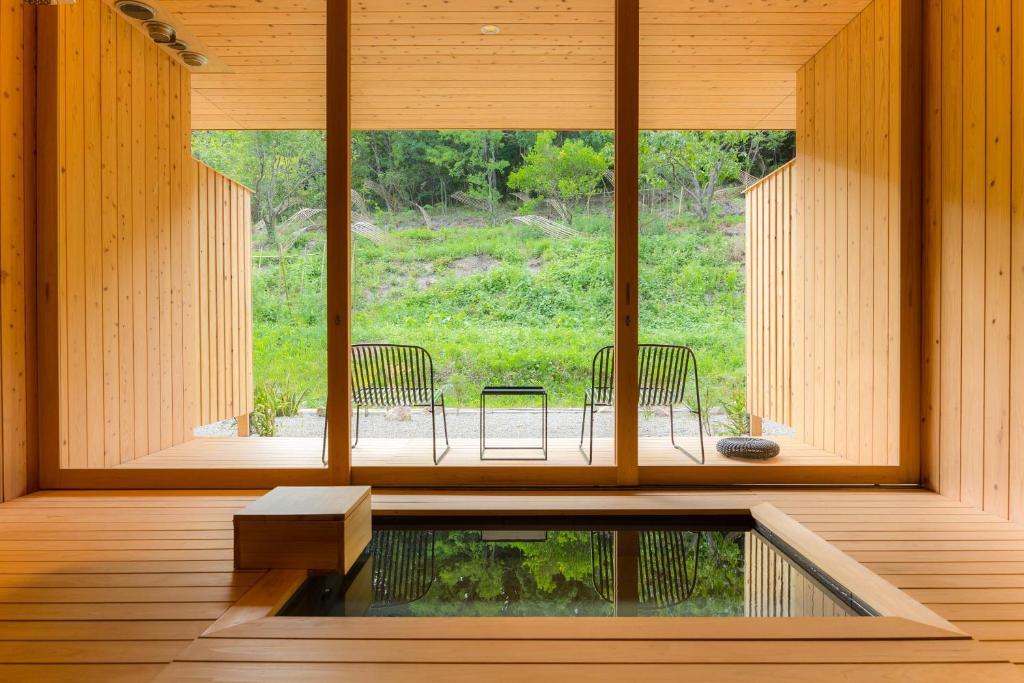
Luxury: Roka Ryokan (pictured)
.
Go’o Shrine
The artwork Appropriate Proportion, which was designed by Hiroshi Sugimoto, is built around and below a wooden Shinto shrine from the Edo Period (1603 to 1868). There’s an inaccessible glass staircase that leads from the shrine’s small Haiden (Worship Hall) to an underground chamber.
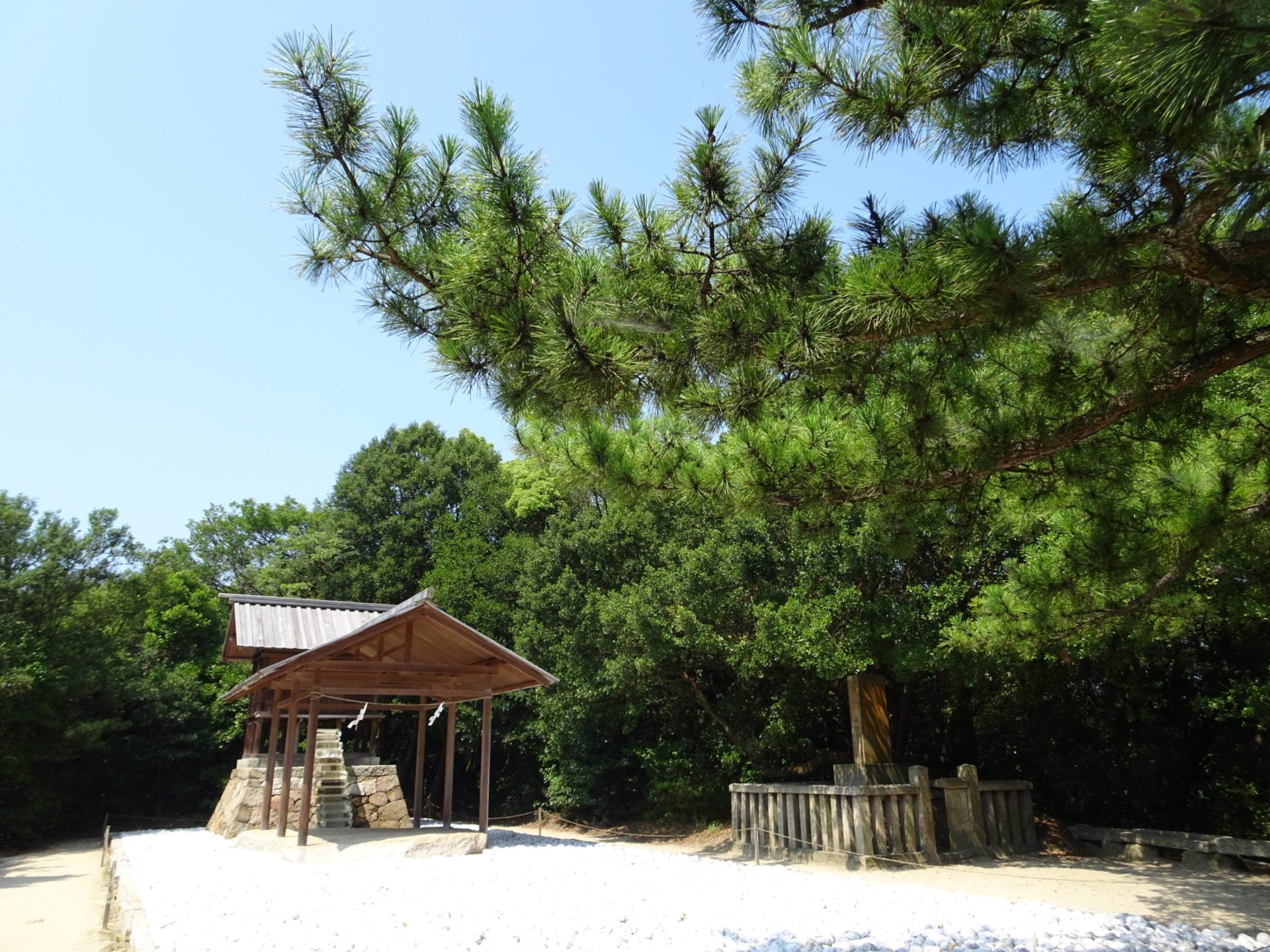
Apparently, this is supposed to symbolize the unity of heaven and earth. You can actually access the underground chamber through a small gap, which leads into a narrow tunnel through the rock, but you shouldn’t be claustrophobic, as the space is really quite tight.
The Go’o Shrine is located on a small hill at the eastern end of the village.
Minamidera
Minamidera is home to Backside of the Moon, which is more of an immersive experience than a tangible work of art. You’ll enter in small groups into a completely dark room, and then very slowly begin to see shapes and forms around you, once your eyes have adjusted.
The art installation was thought up by the US artist James Turrell, who is sometimes also known as the “Master of Light”. Contrary to the other Art Houses, this is a new building, which was designed by the island’s favourite modern architect, Ando Tadao.
Minamidera can be found at the southern edge of the village. The entrance is timed, and you now have to reserve a timeslot to visit, which you can do here.
Ishibashi
Ishibashi is located in the former home of a salt merchant and contains two large paintings by Senju Hiroshi. His artworks The Garden of Kū and The Falls are painted on panels that run all the way along the inner walls of the rooms.
The paintings are definitely nice, but we thought it was the most conventional of all the artworks. Ishibashi is located at the northern edge of the village.
Gokaisho
This art house is located in a building in which the villagers used to gather to play the game Go. It now holds Yoshihiro Suda’s artwork Tree of Spring, which consists of a series of carved wooden camellia flowers that were inspired by Gyoshū Hayami’s 1929 painting Camellia Petals Scattering.
We also liked the cute small garden outside. It’s home to an actual camellia tree, which is supposed to serve as a contrast to the artificial blossoms inside. The house can be found along the main west-east road leading to the port.
Haisha
Haisha’s Dreaming Tongue was designed by Shinro Ohtake inside a former dentist’s office and it’s the only Art House that looks as eccentric from the outside as it is inside. It’s covered in rusty metal sheets, has an (intentional) run-down look, and we thought that it wouldn’t be out of place in a Nightmare on Elm Street movie.
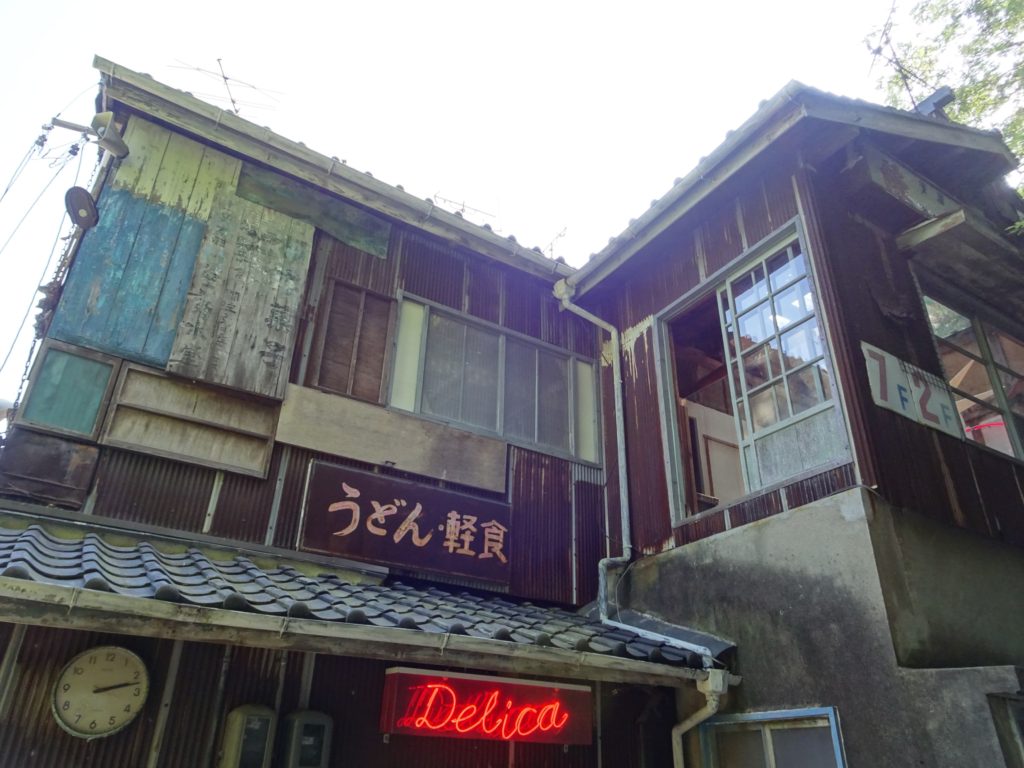
It’s just as wacky inside with lots of cool details ranging from tons of neon signs to a giant statue of Liberty. It’s the weirdest of the houses, which of course made it our absolute favourite. The house is located at the western edge of the village along the road to Miyanoura.
Kinza
Kinza, which is home to Rei Naito’s Being Given, wasn’t open when we were on Naoshima, so I can’t give you any first-hand information. Apparently, it can only be entered by one person at a time and you have to reserve a time-slot to visit, which you can do here. It’s directly to the west of Gokaisho.
Which is the Best Art House to Visit?
I think it’s worth seeing all of them, as they are all very different, but if you’re short on time or money, I’d recommend visiting Haisha and Kadoya, as they have the most unusual installations.
Map of Honmura and the Art Houses
This map shows the location of the six art houses that I described above.
Other Sights on Naoshima
The entire island is a paradise if you’re like us, either art buffs or lovers of outright wackiness and there’s plenty to explore outside of Honmura Village. Check out my Complete Guide to Naoshima for other things to see on the island.
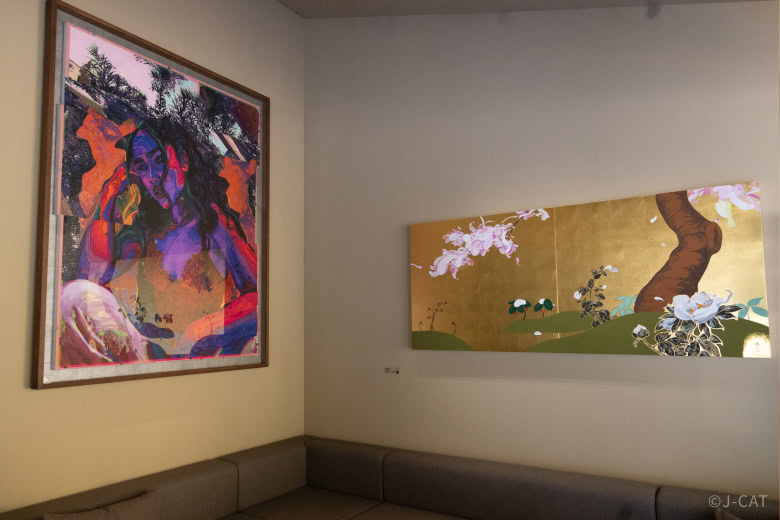
If you want to spend the night in a unique place on the island, you can stay in Roka Ryokan, a traditional Japanese guest house, which is decorated with lots of cool contemporary artworks. You can book a stay at this amazing place through Wabunka, which is a platform working with Japanese artisans to offer unique cultural experiences (photo credit: wabunka-lux.jp)
.
Practicalities
How Much is the Entrance Fee?
A single ticket to one of the houses is 600¥, and a combination ticket for five of them is 1,200¥, so definitely get that one if you’re planning on visiting more than one. Minamidera is not included in the combination ticket and requires a separate one for 600¥.
All of them are slightly cheaper if you pre-book them on this site (not an affiliate link).
What Are the Opening Times?
All of them have slightly different opening times. You can check them all here.
How to Get to Honmura
Ferries to Naoshima Island leave from Uno Port on Honshu (about 20 min.) or from Takamatsu on Shikoku (about 50 min.). You can check the timetables here. Make sure to check the exact route, as one of the connections goes directly to Honmura, while the others go to Miyanoura on the western coast of the island.
You can reach Uno Port by train from nearby Okayama in a little over an hour with a change in Chayamachi.
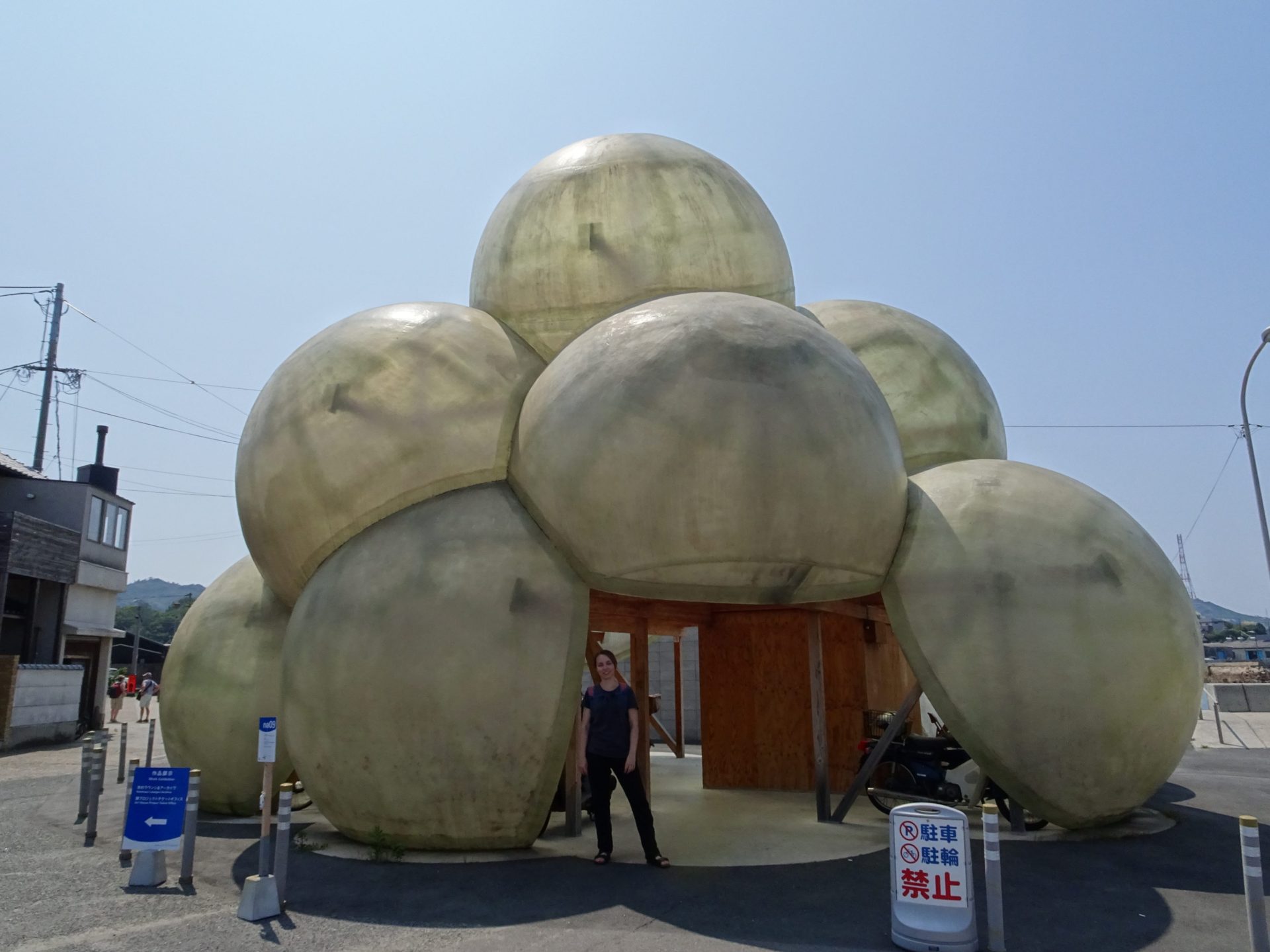
If you’re already on the island, there’s a somewhat infrequent bus service making the loop to all the major art sites, including Honmura. You can check the route and schedule on this site. Otherwise, the island is small enough to just walk. Going from Miyanoura to Honmura on foot only took us about 20 minutes.
Where to Stay on Naoshima
We stayed in the budget-friendly Dormitory in Kowloon in Miyanoura Village on the opposite shore of the island. The area around Honmura also has a couple of midrange options, like Wright Style. The most luxurious option on the island is Roka Ryokan. You can have a look at the map for some more options.
What Else to Know
In some of the houses, you’ll have to take off your shoes (there are signs). Also, you’re not allowed to take photographs inside any of the buildings, which also explains the lack of interior shots in this post.
See also
A Guide to Naoshima, Japan’s Quirky Art Island
The Best Things to Do in Okayama, Capital of Japan’s “Land of Sunshine”