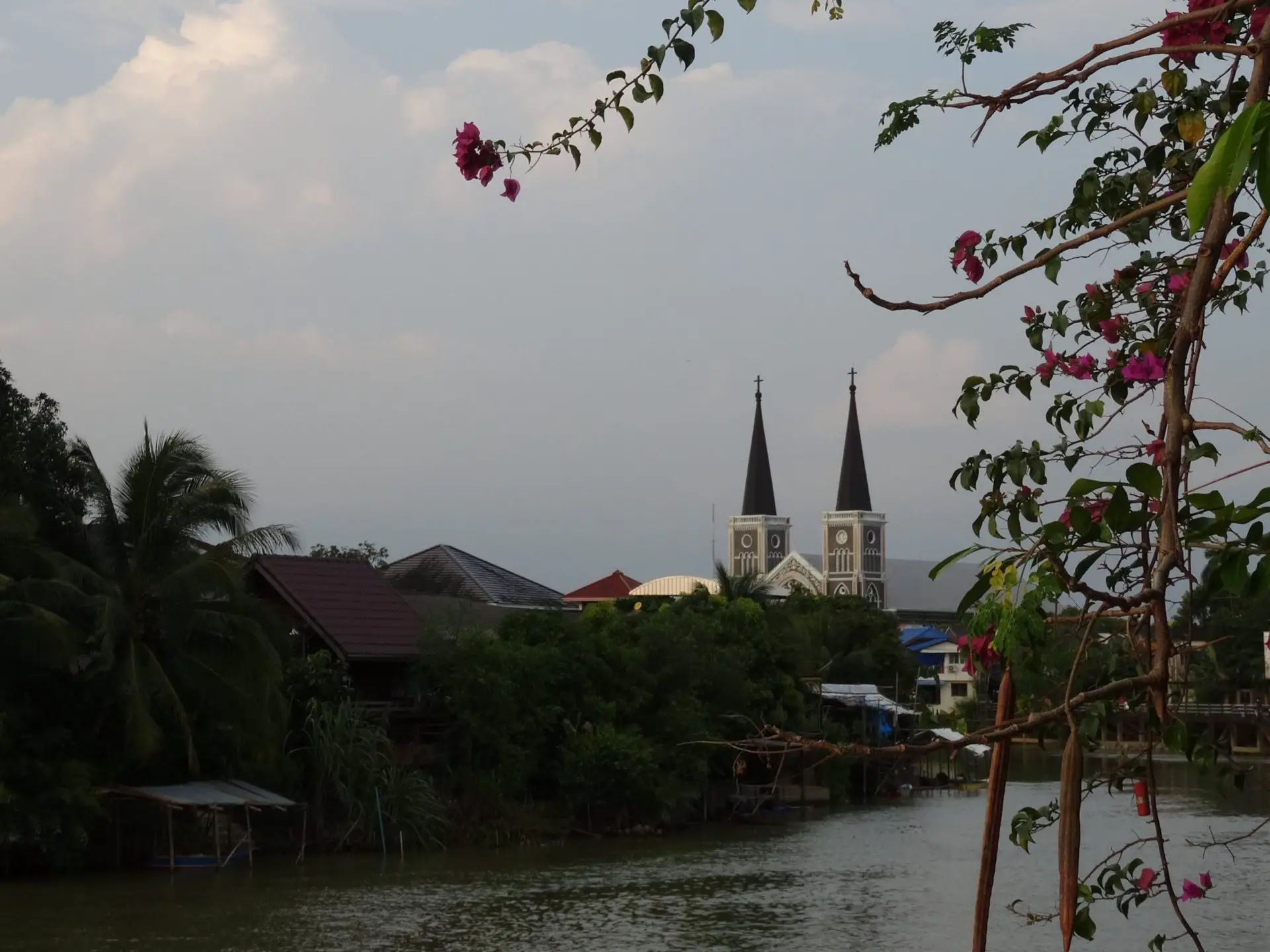
Chanthaburi is a small town in Thailand’s southeastern corner with a pretty historical centre and a laid-back vibe that reminded me more of towns in the Isan Region than other places along the eastern Gulf Coast.
I hardly met any tourists here, but because of its role in the gemstone trade, the city still gets its fair share of visitors who want to make a deal by buying or selling sapphires, rubies and emeralds that have been mined in the surrounding hills for centuries.
Chanthaburi’s other claim to fame is that King Taksin of the Thonburi Kingdom gathered his army in the area to drive out the Burmese invaders that had occupied Ayutthaya in 1767, which explains why there are so many statues and monuments to the king all over the city.
Here’s everything you need to know about visiting Chanthaburi.

This post may contain affiliate links, and I might earn a small commission at no additional cost to you. For more info, click here.
Guided Tours of Chanthaburi
If you want to explore the city with a local guide, there are lots of tours of Chanthaburi available. You can have a look at some well-rated options below.
What to See and Do in Chanthaburi
Chanthaburi Gem Market
From Friday to Sunday, loads of international traders rush into Chanthaburi to sell or buy gemstones at the city’s famous weekly gemstone market. I found it fun and super interesting to just walk around and watch the traders examining and evaluating the gems (and occasionally arguing over their price).
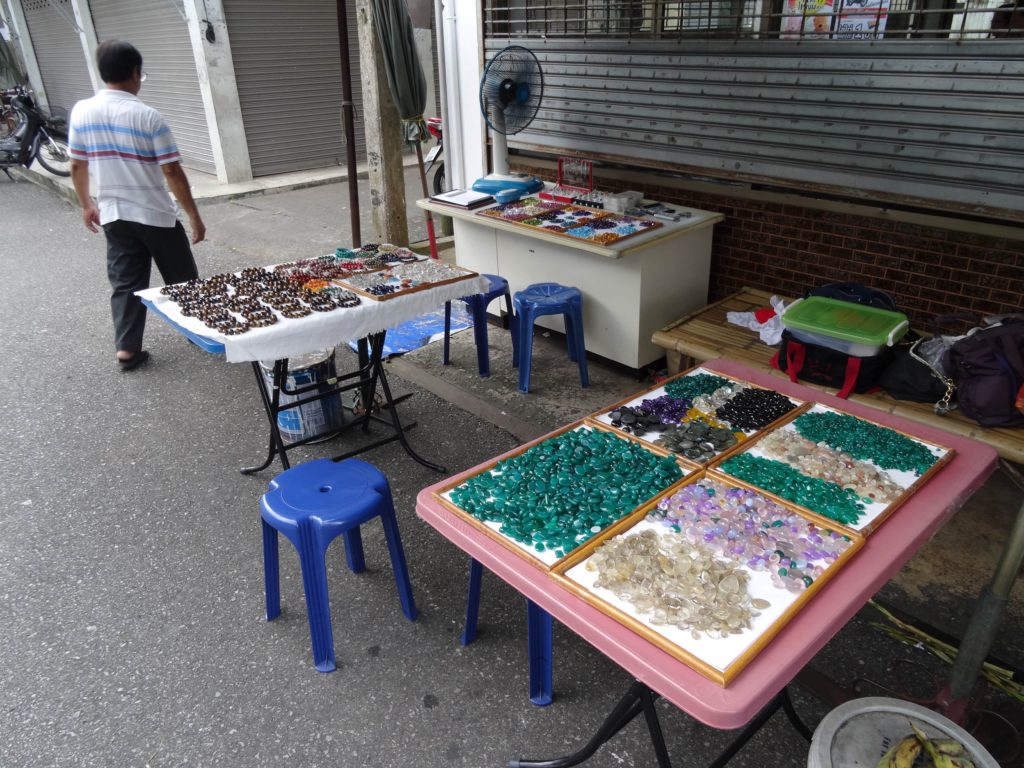
If you’re here during the week (when the market doesn’t take place), there are a couple of stores along the city’s main roads, where you can at least have a look at the displays, but visiting on the weekend is much more interesting, so definitely do that if you can.
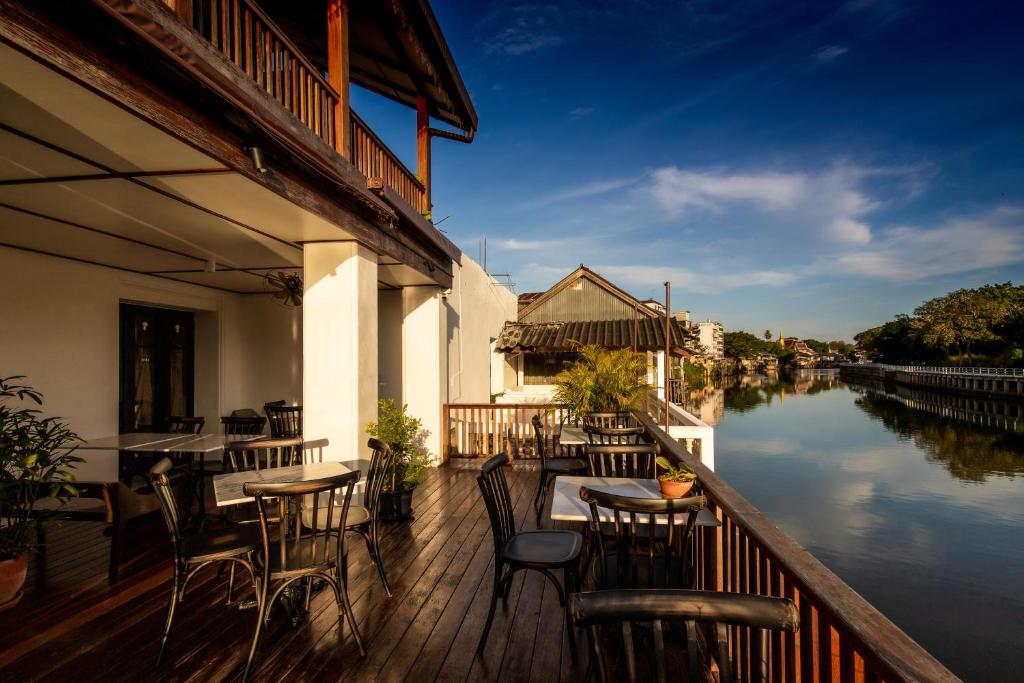
Chanthaburi Hotel Tips
Budget: River Guesthouse
Midrange: Baan Luang Rajamaitri Historic Inn
Luxury: Punyashthiti Villa (pictured)
.
Chanthaboon Waterfront Community
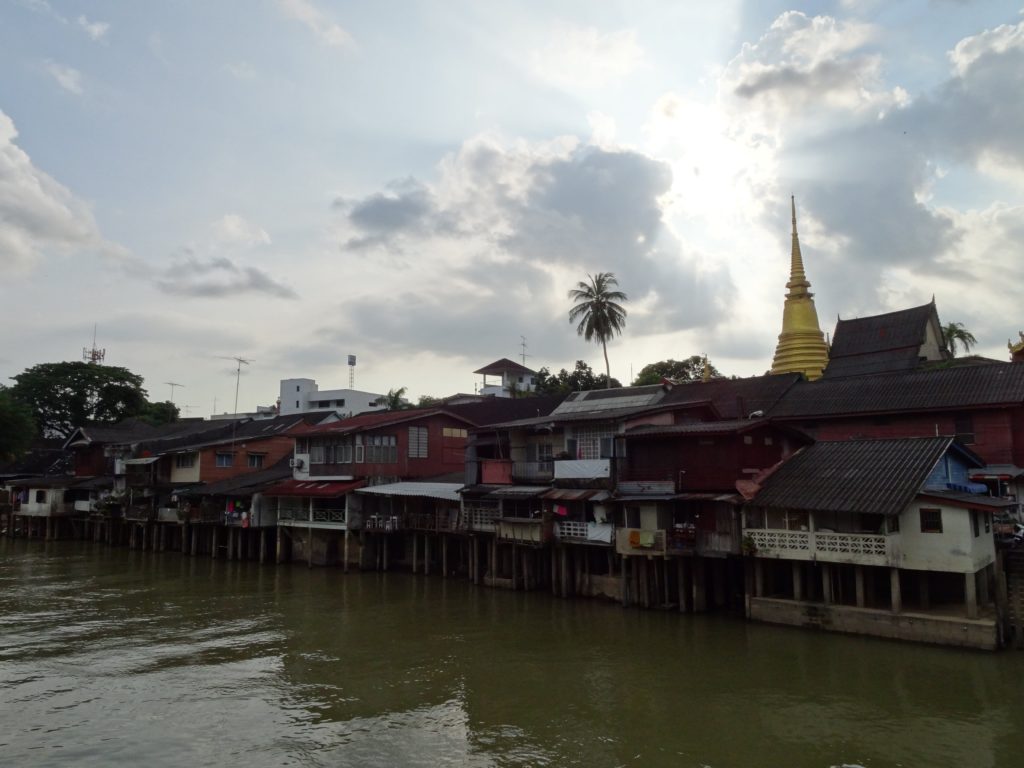
This area along the Mae Nam Chanthaburi river is the city’s historical centre and has some pretty rows of mostly restored wooden buildings. The neighbourhood was founded in the 17th century, but most houses date to the reign of King Rama V. in the 19th century.
Historically, a lot of Chinese and Vietnamese immigrants moved here and many of the shophouses are built in the Sino-Portuguese or Peranakan architectural style, which reminded me a lot of similar buildings I had seen in Malaysia and Singapore.
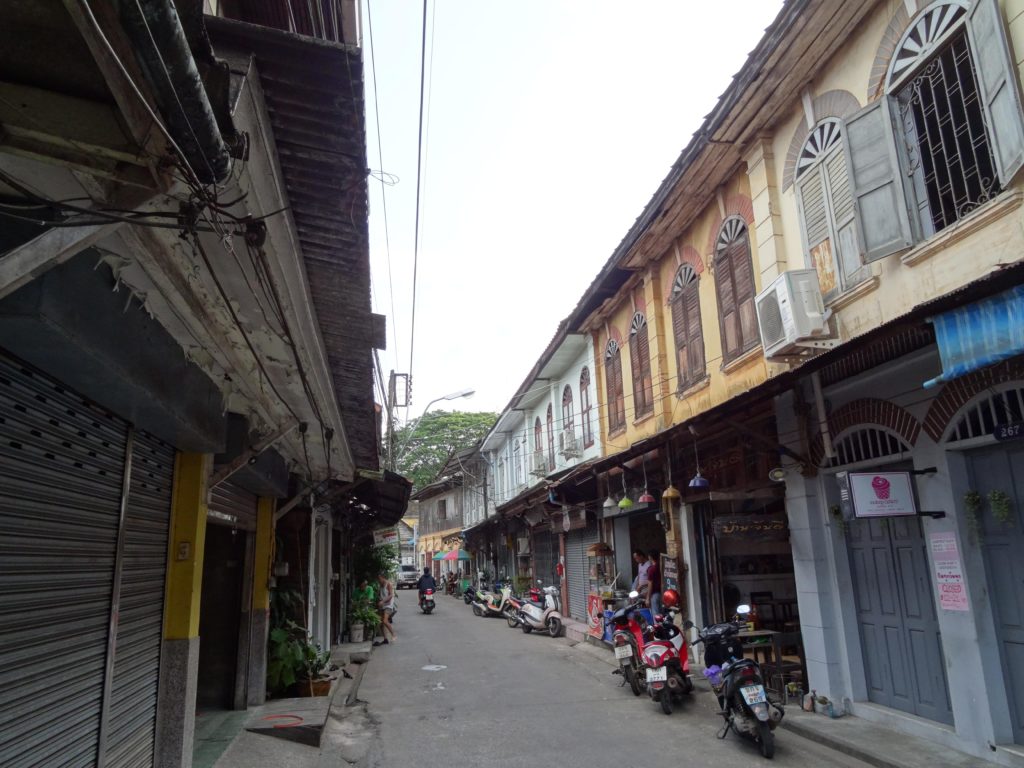
In between the private houses are some snack stalls and cafés, as well as the Chanthaboon Learning House, a small museum that deals with the history of the area, mostly through some old photographs of street scenes, which I always find interesting.
The museum is supposed to be open from 9am to 5pm, but it was closed when I dropped by. After asking around, someone called the owners, who opened it for me. According to a neighbour, finding museums closed during official opening times is a ‘Thai Tradition’.
The Chanthaboon Community is located along Th. Sukhaphiban directly west of the river, across from the Cathedral.
Cathedral of the Immaculate Conception
If you’re suffering from acute temple overload, you could visit Chanthaburi’s impressive Neo-Gothic Cathedral of the Immaculate Conception. Well, actually, I recommend checking it out, no matter what.
The building was finished in 1909 during the occupation by France and was built mainly for the Catholic Vietnamese community in town. To this day, it’s still the biggest church in all of Thailand.
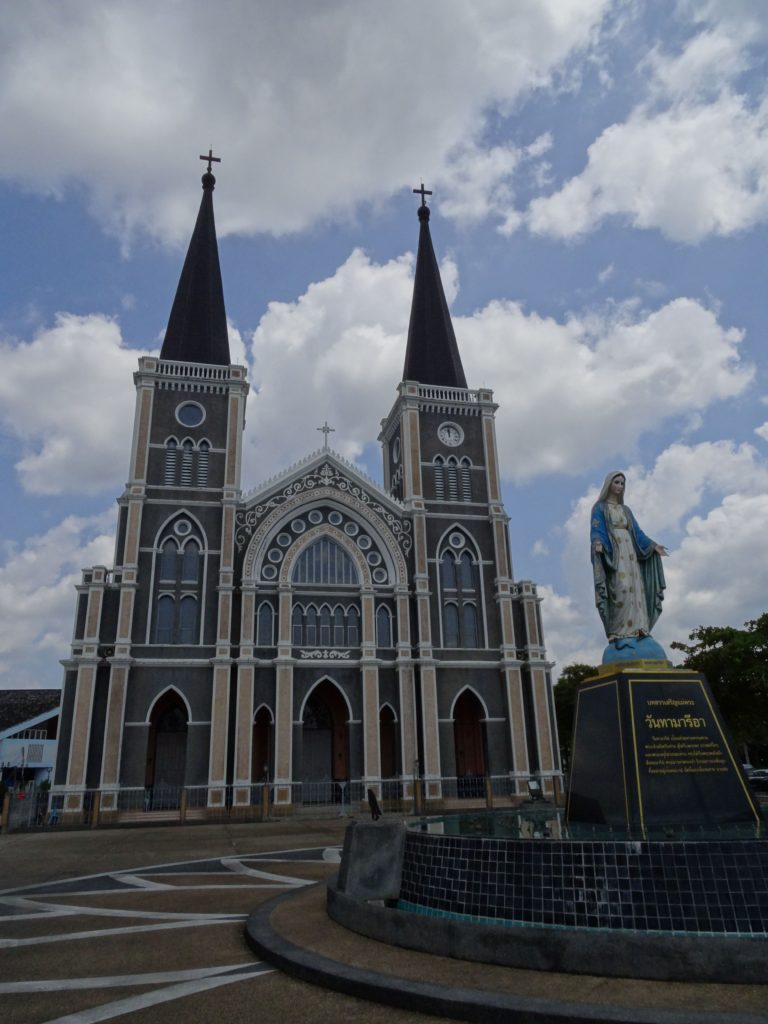
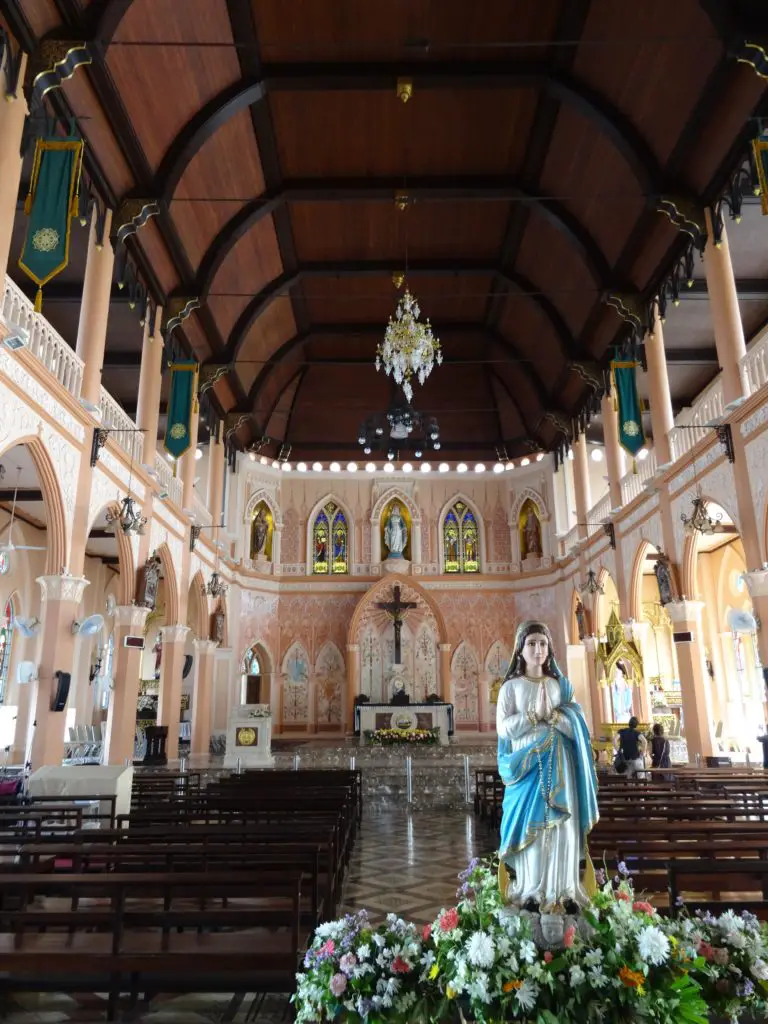
I also liked the interior, which is painted in bright pastel colours and filled with countless statues of the Virgin Mary and bright stained-glass windows that show different saints (including Joan of Arc). The Cathedral is located east of the centre, just across the river.
City Pillar Shrine
Every self-respecting city in Thailand has a shrine that is dedicated to the City Pillar or Lak Mueang, which is believed to house the protective city spirit, and of course Chanthaburi is no exception.
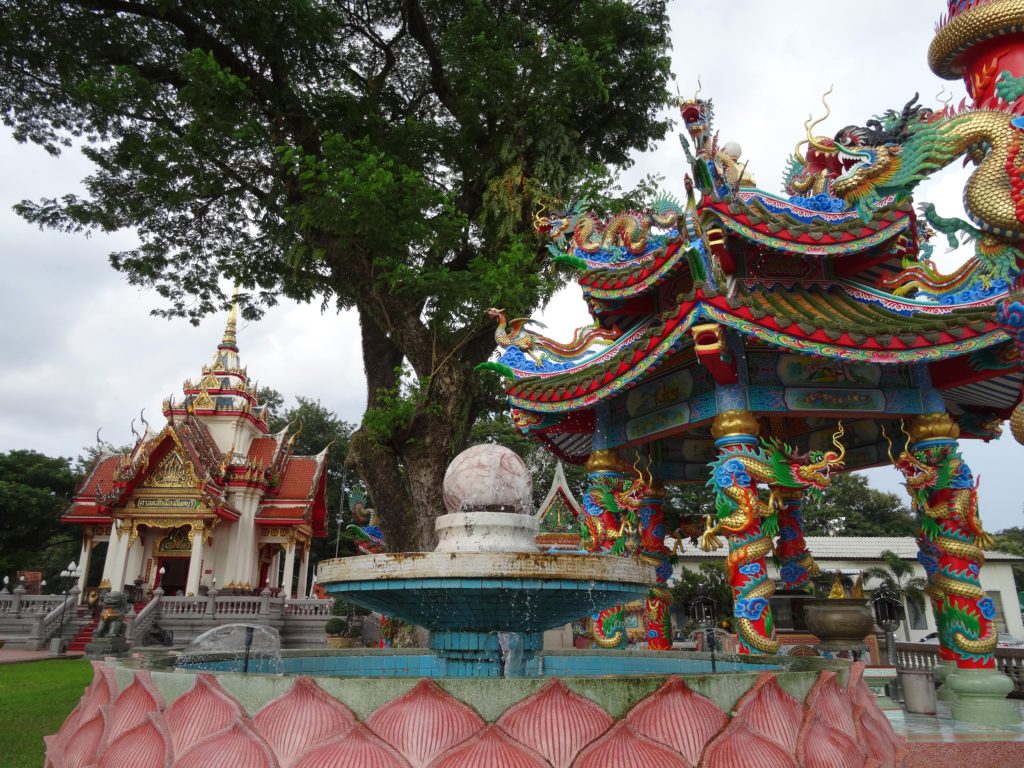
The building that houses the golden pillar is built in the typical Thai style of the Rattanakosin Kingdom (1782–1932), but there’s also a colourful Chinese pavilion with lots of dragons nearby. The temple is on Thanon Tha Luang opposite the military barracks.
King Taksin Park
The city’s main park is located on a small island in King Taksin Lake. I found it a nice place for a stroll and to relax for a bit. It’s built around the King Taksin Monument, which shows the King in a martial stance on horseback surrounded by four grim-looking soldiers.
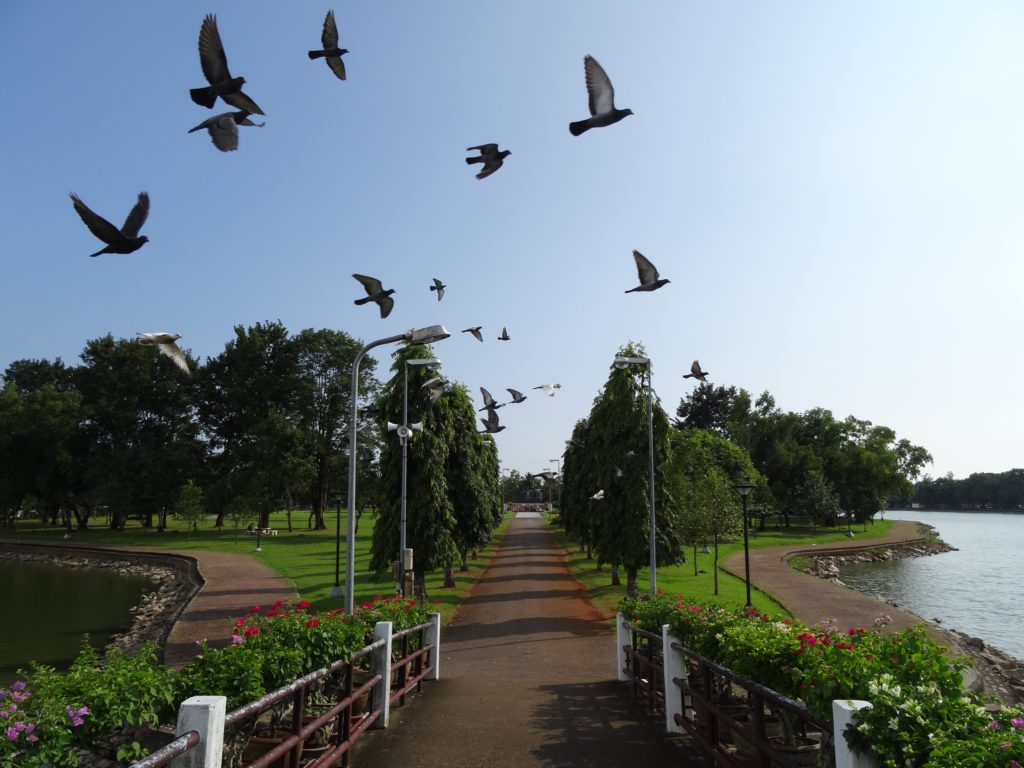
This statue used to be on the back of the old 20 Baht note from 1981 until 2013. There’s also a small wooden shrine, which contains even more images of the King and some warriors. The park is located directly southwest of the town centre.
Khao Ploi Waen Hill
The small Khao Ploi Waen hill is a dormant volcano that lies about 6km (4mi.) west of the city. The area used to hold the most important mine for sapphires and rubies around Chanthaburi, but it has since been exhausted.
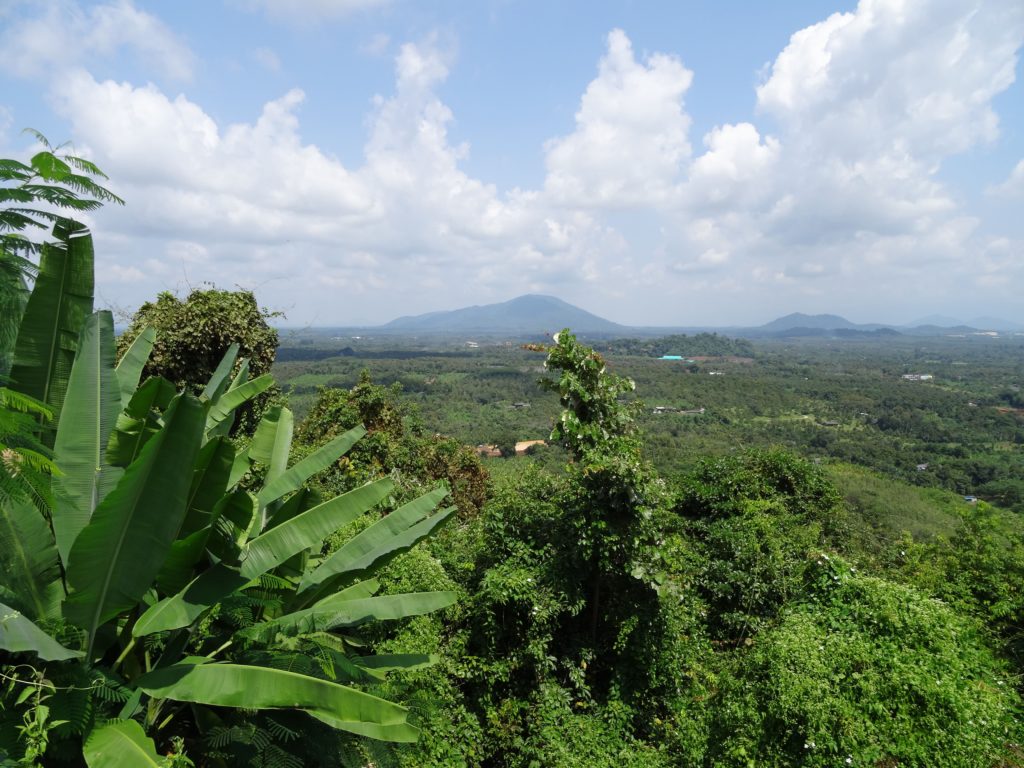
Nowadays, the peaceful Wat Khao Ploi Waen is located in the area and there are some amazing views of the surrounding countryside from the temple’s hilltop chedi (stupa).
Apparently no farang ever come here, as the monks’ reactions to me ranged from slight amusement to utter confusion (although, to be clear, they were all very welcoming and even shared some snacks with me).
Getting there by public transport is a bit tricky. The easiest way is to rent a scooter or to take a motorbike taxi (which should be around 150฿ return). If you’re driving there yourself, take Phraya Trang Road west out of town in the direction of Tha Mai.
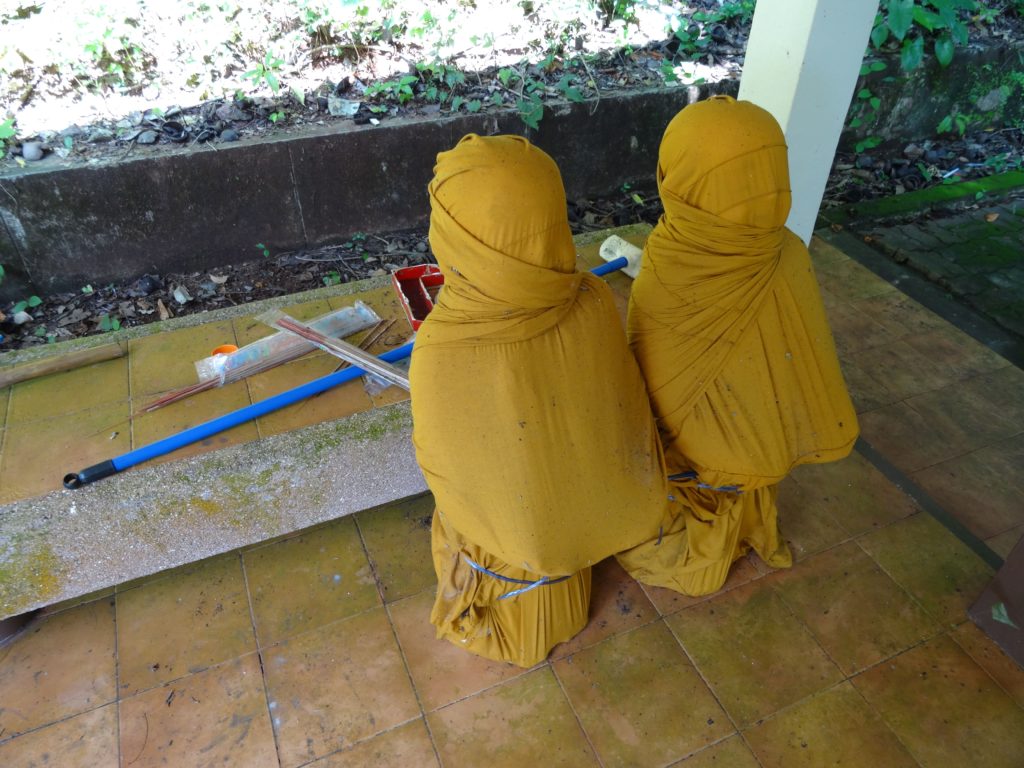
After about 10 minutes, you’ll reach an intersection, where you’ll have to either turn left or right. Turn left (south) and continue for 2 or 3 minutes until you see a wooded hill with a chedi on top on your right-hand side. Turn right (west) directly behind the hill and continue until you see stairs up to the top on your right-hand side. The Ubosot and Monk’s quarters are a few hundred metres further west.
Nam Tok Phlio National Park
The pretty Nam Tok Phlio National Park is home to some waterfalls, a few historic monuments and a short nature trail. My favourite feature here was the river, however, which was filled with hundreds of Soro Brook Carp.
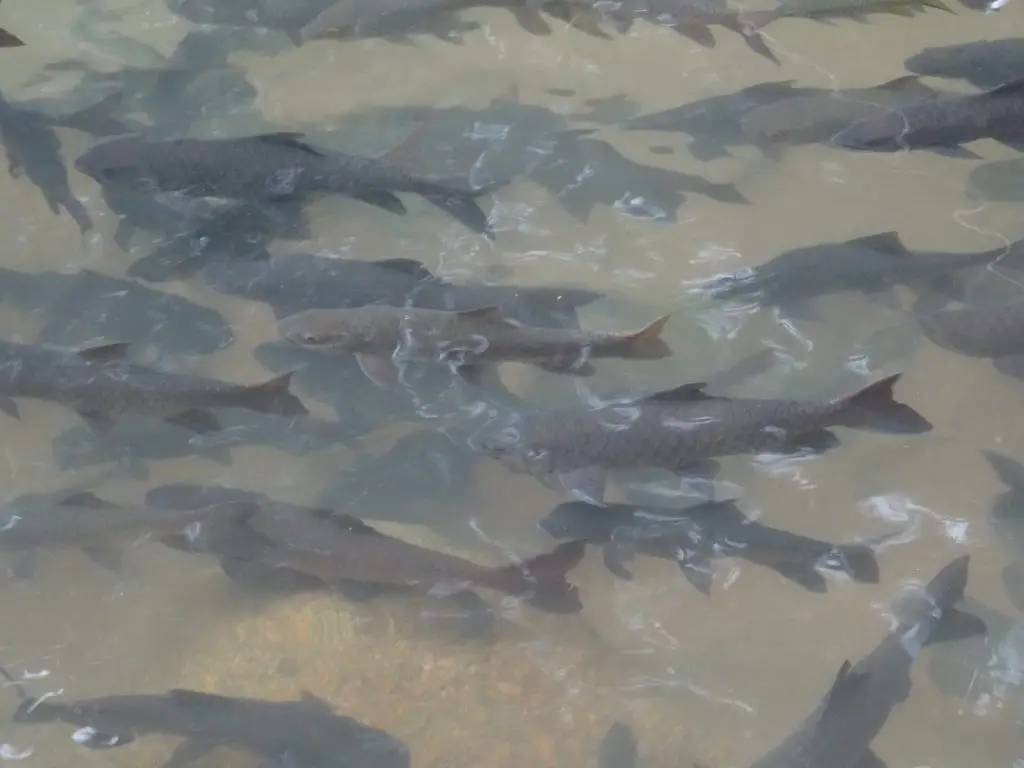
The park is located a couple of kilometres east of town along the highway to Trat. You can check out my Guide to the Nam Tok Phlio National Park for everything you need to know about visiting.
Chanthaburi Vegetarian Festival
I was in the city during the 9th Chinese Lunar Month (late September to late October), when Chanthaburi’s Vegetarian Festival was happening. This is a Taoist festival to the Nine Emperor Gods and is mainly celebrated by the Chinese community in Southeast Asian countries.
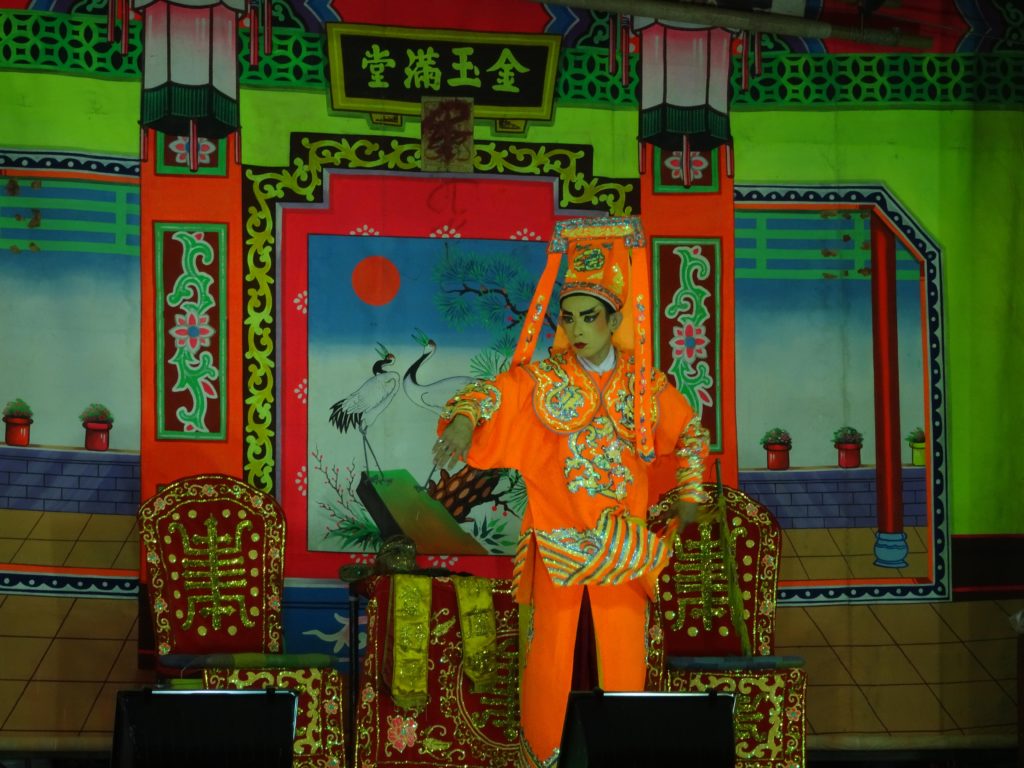
Because of the big Chinese population, the festival plays an important role in Chanthaburi. There were lots of stalls all over the city centre selling tasty vegetarian food, and the Chinese Temple had a performance in the style of the Chinese Opera.
I couldn’t make heads or tails of what was happening on stage, but it was still fun to watch, especially as it became more and more bizarre over time.
Map of Chanthaburi
This map shows all of the sights mentioned above.
Practicalities
How to Get to Chanthaburi
To get to Chanthaburi, you can take large overland buses and minibuses that travel along the coastal route between Bangkok and Trat. The big buses start at Bangkok’s Ekamai Bus Station and should take around 4 hours to reach Chanthaburi (if everything goes according to plan).
Minibuses and songthaews leave from the bus station, but they are mostly useful for closer destinations, like Trat to the east and Ban Phe (the jumping-off point for pretty Ko Samet) to the west. There are also occasional minibuses that go to the border crossing with Cambodia at Ban Pakard.
Where to Stay in Chanthaburi
I stayed at the shoestring River Guesthouse, which I found to be good value. It has a good location on the edge of the old town, and I also met a few other backpackers here, so if you’re trying to connect with other travelers in this not-so-touristy part of Thailand, this would be a good spot.
Otherwise, there are lots of well-rated midrange options, like Baan Luang Rajamaitri Historic Inn and a few luxury choices, like Punyashthiti Villa. You can have a look for more options in the map below.
Where to Go Next
Nakhon Ratchasima, the laid-back gateway to the Isan-Region
Ko Samet, a pretty island that is good for beach-hopping
Ko Sichang, an off-the-beaten-path island with some unusual sights