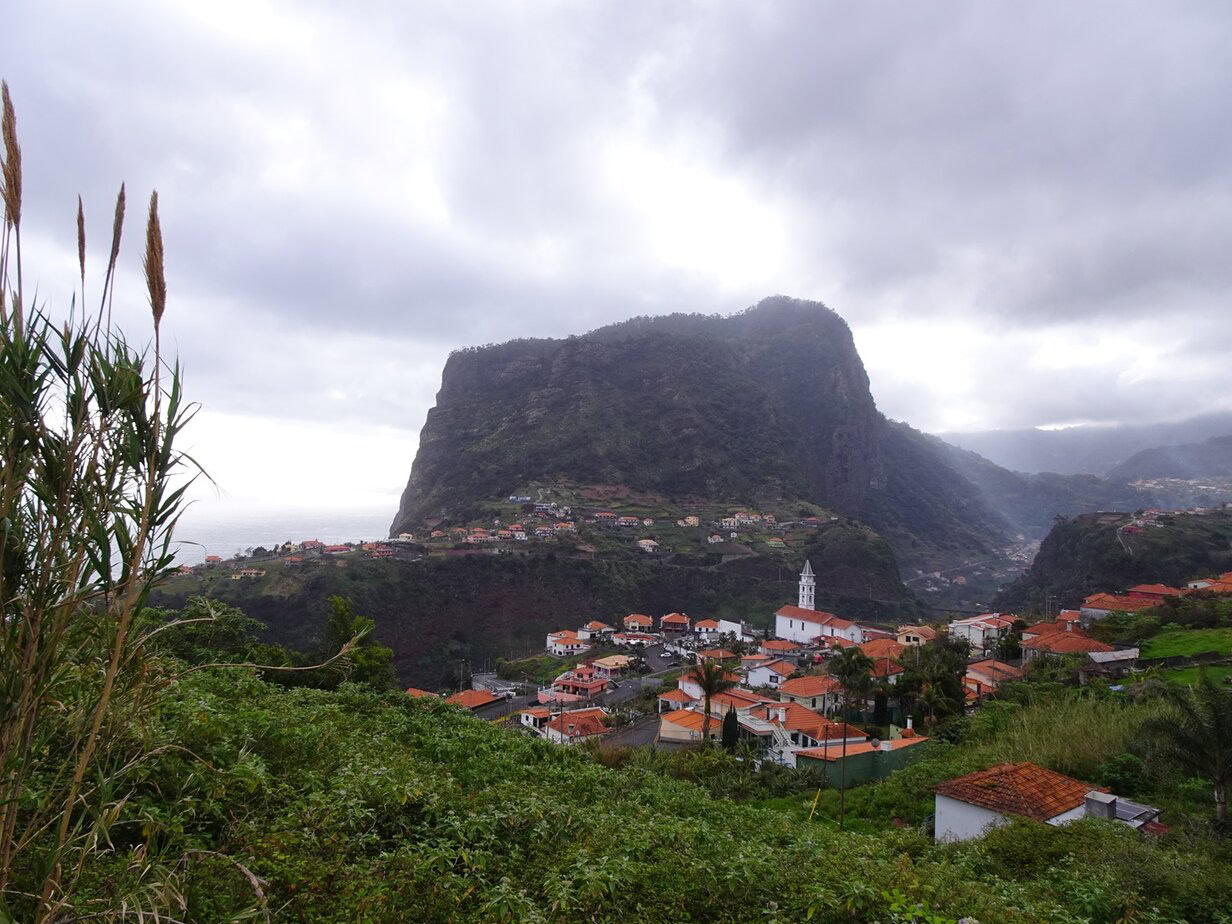
Madeira might look small on a map, but as we noticed on other Atlantic islands, it’s easy to get fooled by the size and there’s a lot more to see and do than you might first think.
Madeira has many different landscapes, towns and cute little villages, not to mention lots and lots of awesome hikes. We spent more than two weeks here, so we could do some in-depth exploration, but if you’re pressed for time, I’d say five days is the absolute minimum amount of time that you’ll need to get a good first impression.
This itinerary will give you a well-rounded introduction to the island, with a good mix of natural and cultural sights. I’ve included all the top sights, but also some lesser-visited places that we really liked. Here’s my guide to the ‘Island of Eternal Spring’.

This post may contain affiliate links, and I might earn a small commission at no additional cost to you. For more info, click here.




How to Get Around on Madeira
This itinerary is really only possible if you have your own transport. There is a pretty good network of public buses on Madeira, but especially on less popular routes, there are only a few buses a day. Because of that, it would be impossible to visit all the places I recommend in 5 days without a rental car.
I saw a lot of people online recommend getting a car with automatic transmission and a stronger engine, because of Madeira’s steep roads. It’s true that this would probably make driving around the island a bit easier and faster, but if you’re on a tighter budget, we didn’t find it essential.
We rented a Fiat 500 with manual transmission and it was totally fine, plus we only paid about 10€ a day including insurance (although we have to clarify that we went in the off-season). You can search for the best current offer in the box below.
Guided Tours of Madeira
If you want to avoid the hassle of sorting out your trip yourself or prefer the company of a local guide, there are tons of guided tours available on the island. I’ve added a few of those to the itinerary, in case you want to check them out.
The Perfect 5-Day Madeira Itinerary
This is a very busy itinerary, and if you have an extra day or two to spare, it would make the whole thing a lot more relaxed. That said, if you don’t mind having a full schedule with long days, it’s all definitely doable in five days. To avoid unnecesarry backtracking, every day focuses on a different part of the island.
A lot of people seem to base themselves in one town and explore the island from there. We, on the other hand, changed our base a few times and if you want to avoid long drives, I recommend you do the same. That way, you can also get an early start for hikes in different parts of the island.
For instance, you can spend your first night (basically Night 0) somewhere near the airport, like in Machico or Porto da Cruz and then move counterclockwise around the island from there, which is what we did.
That way, the capital Funchal would be scheduled for the end of your trip, but if the weather is bad for hiking on one of the earlier days, you can just switch them around a little bit. The weather tends to be much sunnier in Funchal and the South as compared to Madeira’s centre and northern coast.
Day 1 – Eastern Madeira
São Lourenço Peninsula Hike
If you can manage it on your first day, I recommend starting as early as possible and heading out to the São Lourenço Peninsula, which forms the easternmost tip of the island. There’s a hiking trail leading all the way to the tip of the headland and it’s one of Madeira’s most popular hikes.
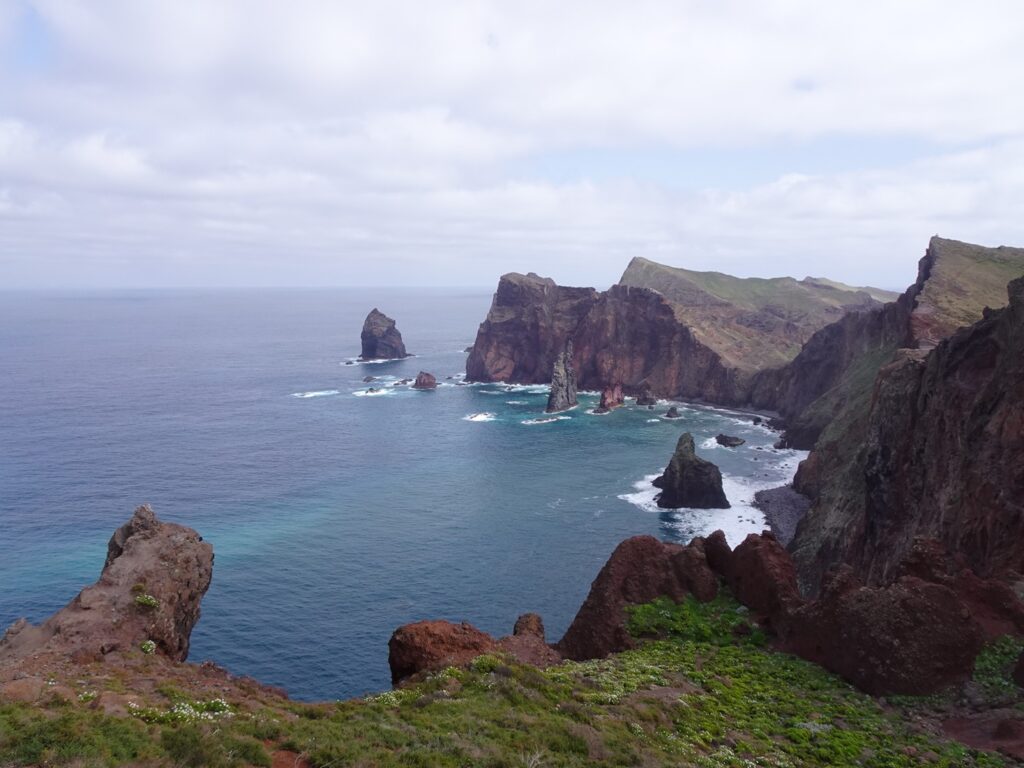
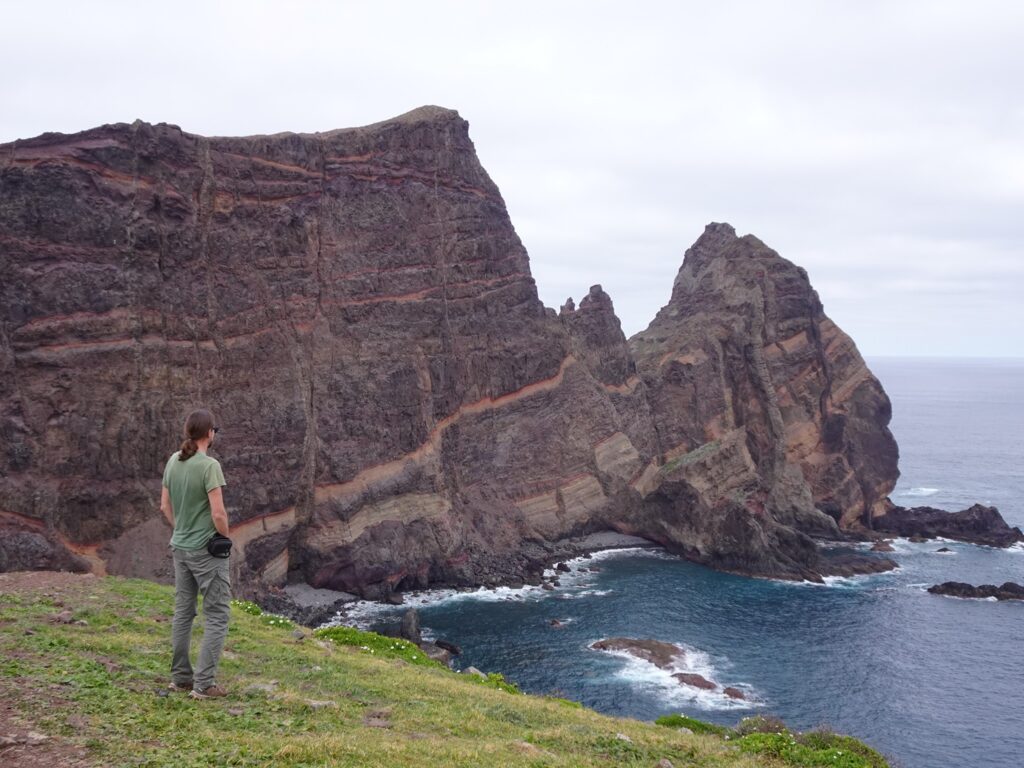
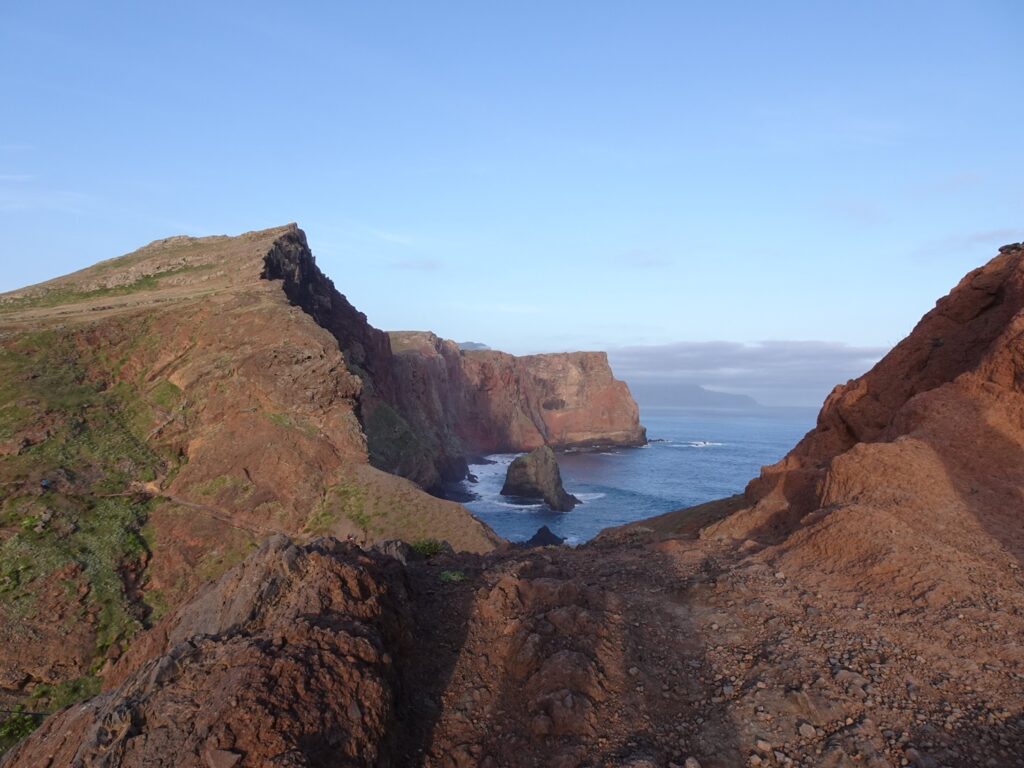
We started at sunrise and only met a few people on the way there, but hundreds on the way back, so we really thought getting up early was a good decision. The hike is very impressive with some amazing views of the sheer cliffs and spectacularly tall rock stacks rising out of the sea. The most spectacular part of the trail follows a narrow ridge with sheer drops to the Ocean on both sides (Don’t worry, there are railings).
The main trail follows the ridge of the peninsula and is fairly straightforward, but this is one of the driest parts of Madeira and the lack of trees means that it’s more exposed than other hikes on the island, so make sure to bring some sunscreen.
After a very steep climb at the end of the peninsula, you’ll reach the spectacular Ponta do Furado viewpoint, from where you can see two small islets directly to the east, including Ilhéu do Farol with Madeira’s easternmost lighthouse.
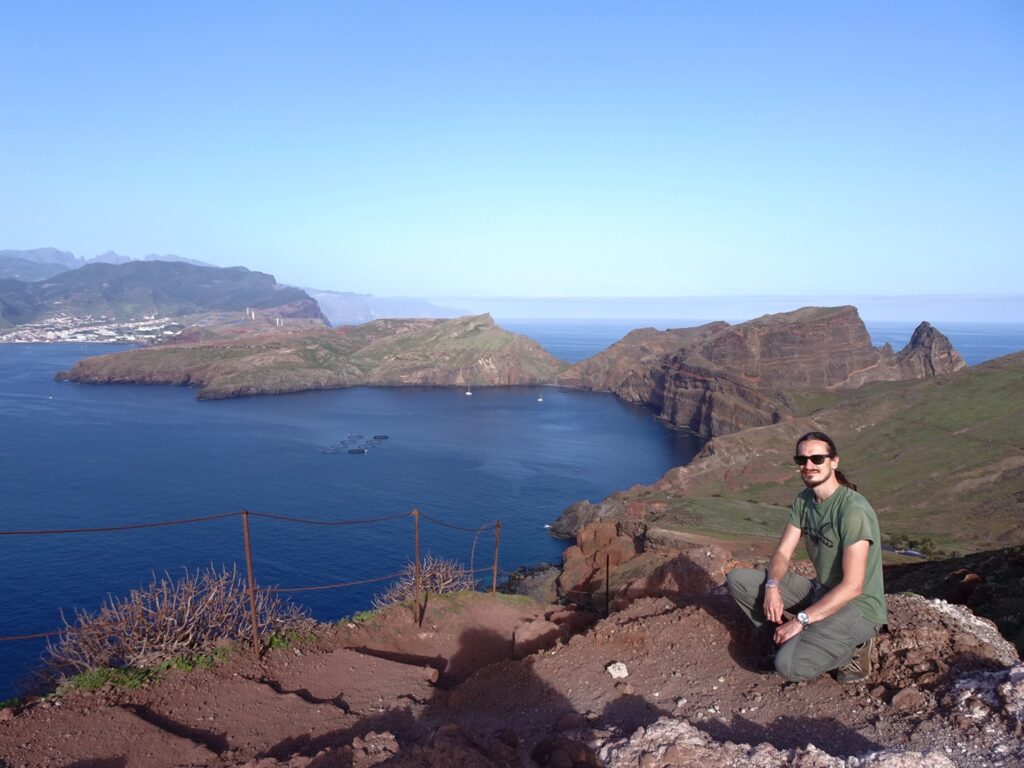
If the weather is clear, you can also spot Porto Santo Island to the north and the Ilhas Desertas to the south. There’s a small café close to the eastern end of the peninsula, which also has the only toilets along the whole trail.
Practicalities
The whole hike, (there and back) is about 7.5km or 4.5mi. and took us around 4 hours to complete with plenty of stops to take in the scenery. There’s a carpark near the trailhead at the eastern end of the ER109, which was almost empty when we set out at sunrise and completely full when we returned around noon.
As of 2026, you now have to pay an entrance fee of 4.50€ and book a timeslot to do this and many other hikes on the island. You’ll have to do this online on this site.
See Also: The Ultimate Guide to Madeira’s Ponta de São Lourenço (PR 8) Hike
Caniçal and the Whale Museum
After the hike, you can have a well-deserved lunch in the nearby small town of Caniçal, which historically was one of Madeira’s main whaling hubs from the 1940s until the industry was shut down in 1981.
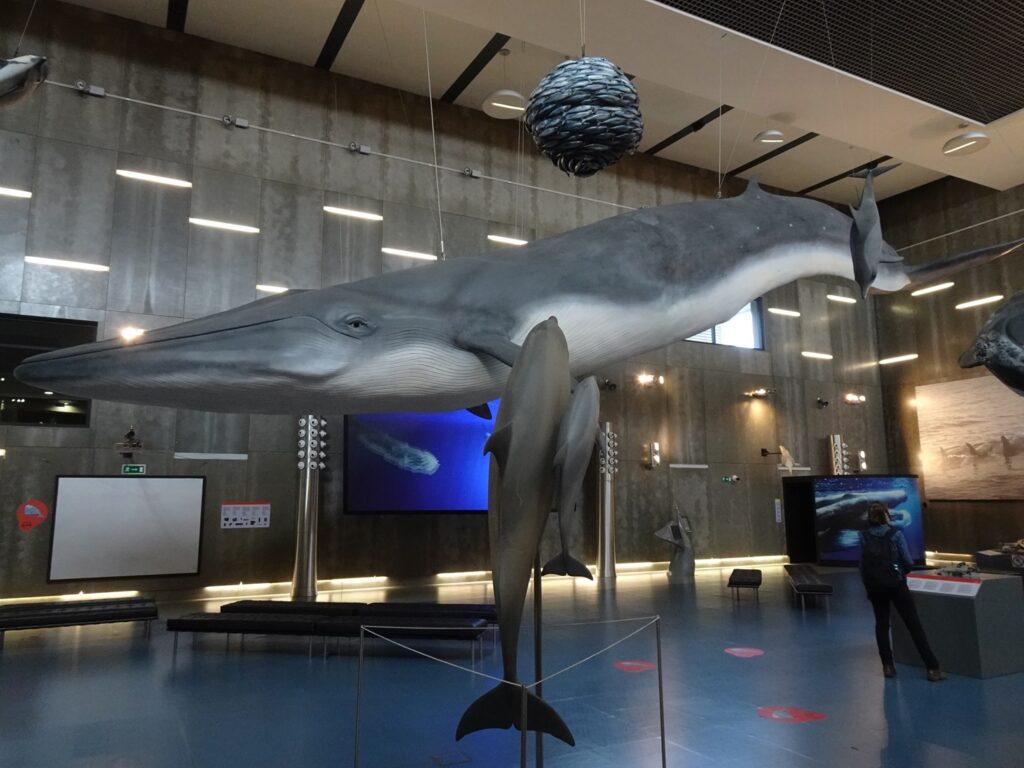
Caniçal’s Museu da Baleia does an amazing job of explaining both the island’s whaling history as well as the current preservation efforts of whales and other marine animals. We were really surprised by how engaging and interactive the exhibits were.
The entrance fee was 10€. You can check the current opening times here.
Porto da Cruz
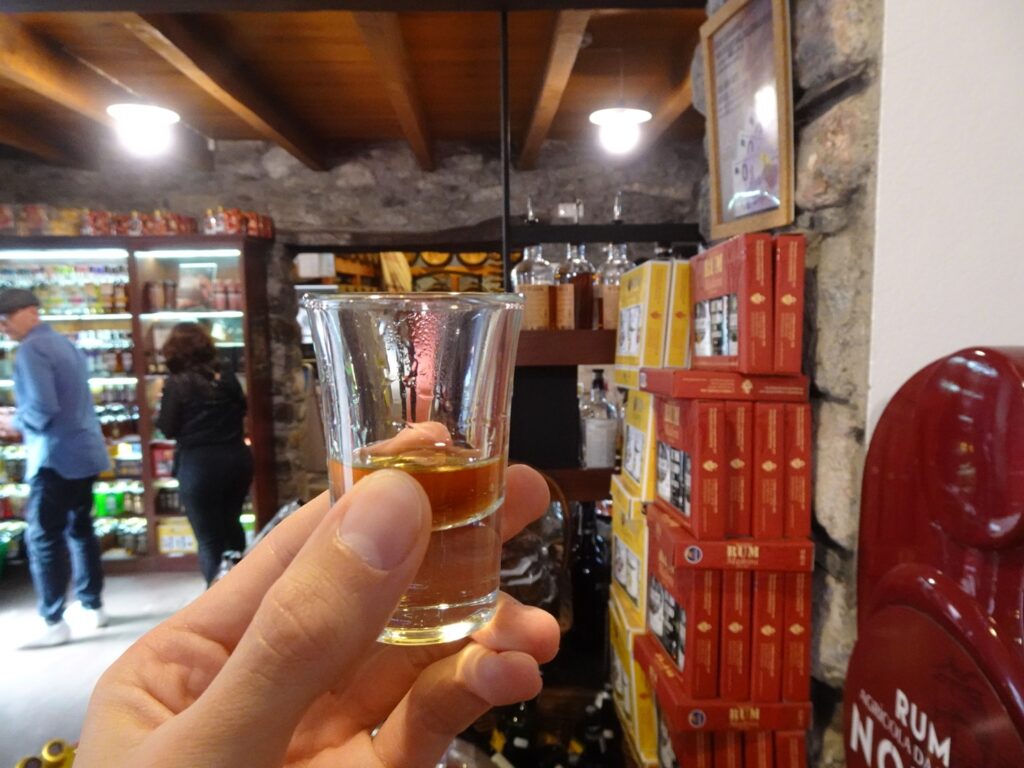
Continuing along the north coast, Porto da Cruz is another good place for a short stop. The village has a long history tied to sugar cane processing, and one of the old mills is still operating today. The Engenhos do Norte contain a little free rum museum and you can also try the local rum in their shop.
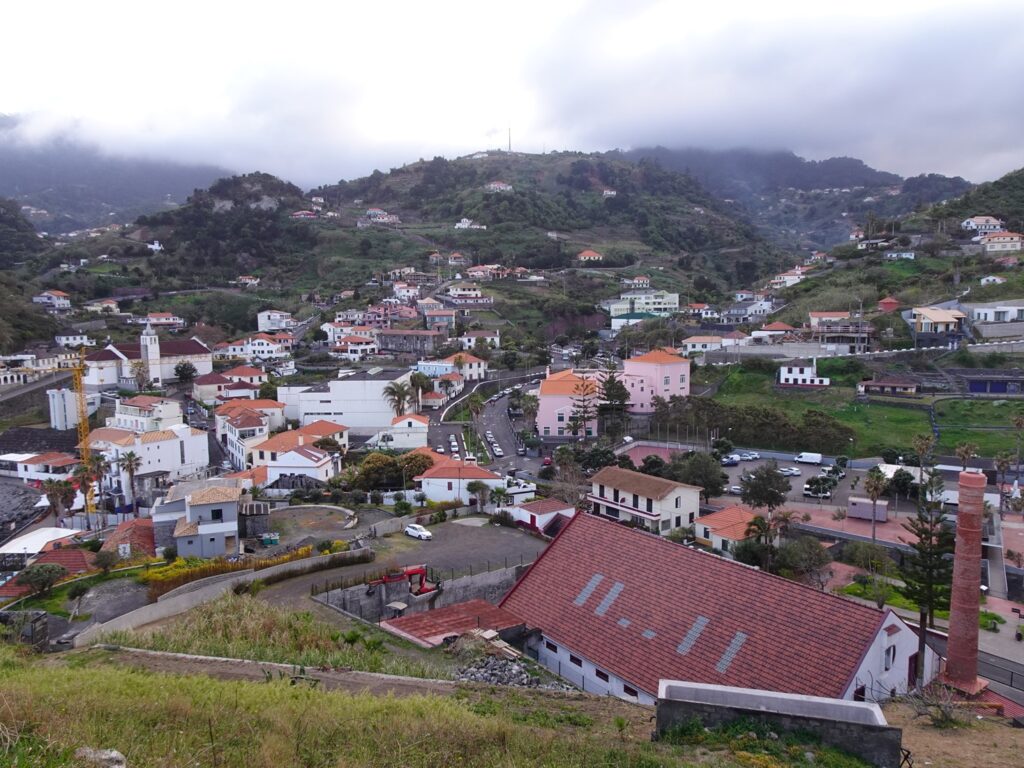
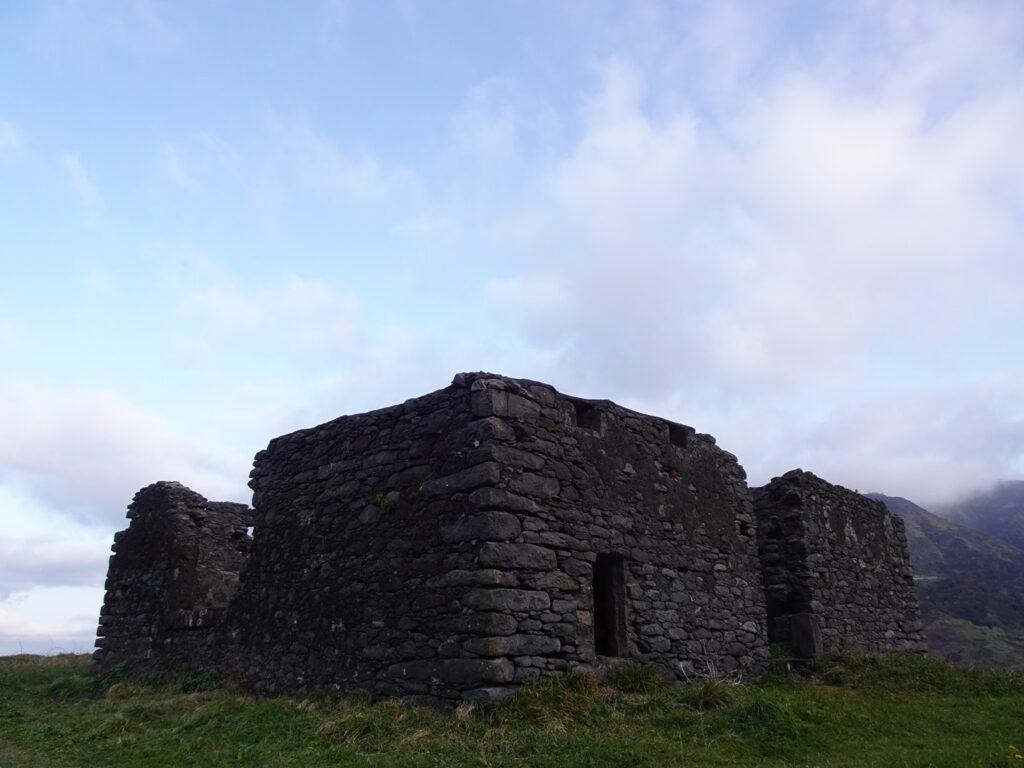
It’s also worth taking a short walk along the seafront or climbing up to the ruins of the old fort on Pico do Fortim at the northern end of the bay. The views are amazing, especially with the impossibly tall Penha de Águia mountain towering to the north.
Faial
Faial, a little further west has more amazing views of the Penha de Águia towering over the tiny settlement.
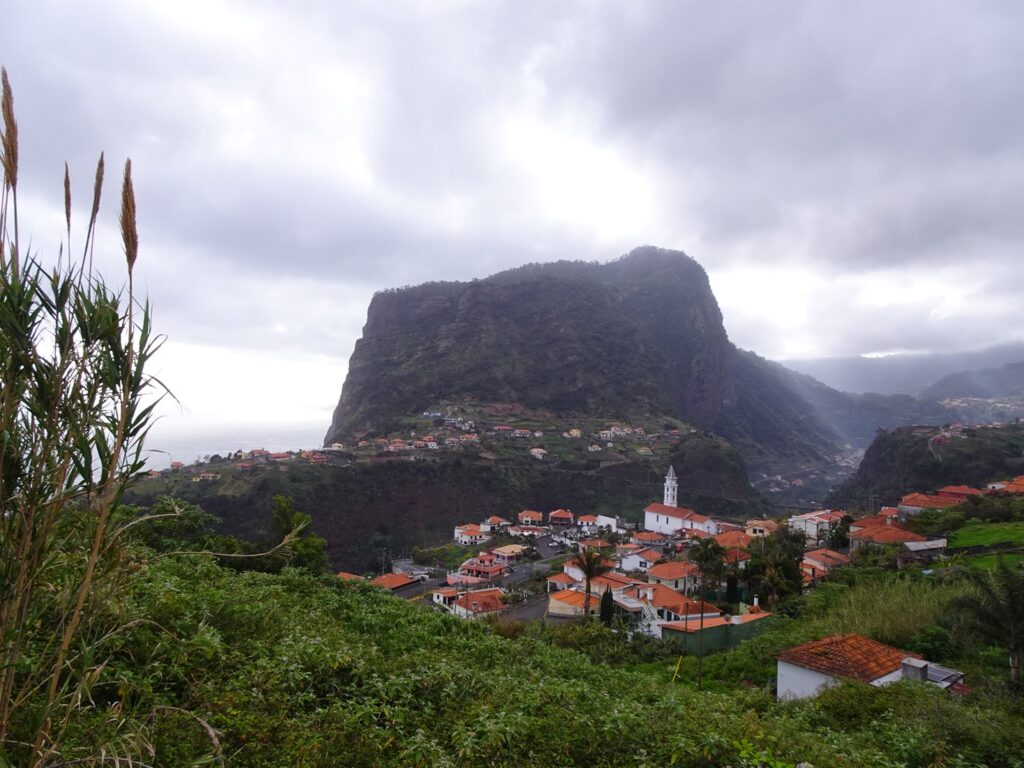
The best viewpoint here is at Fortim de Faial, the old 18th-century fort right in the middle of the town, which makes for a good short detour on the way through town.
Museu da Família Teixeira e de Caires
If you’re into visiting wacky places (like we are), you’ll have to check out this very unusual Museum near Faial. Honestly, this is one of the strangest places we have ever visited and it’s not easy to describe.
At the bottom of the Fajã da Murta Canyon, Anaclet Teixeira de Freitas has transformed the home of his family into a celebration of his parents, who like many Madeirans, emigrated to Venezuela in the 1950s, but also of his current family and children.
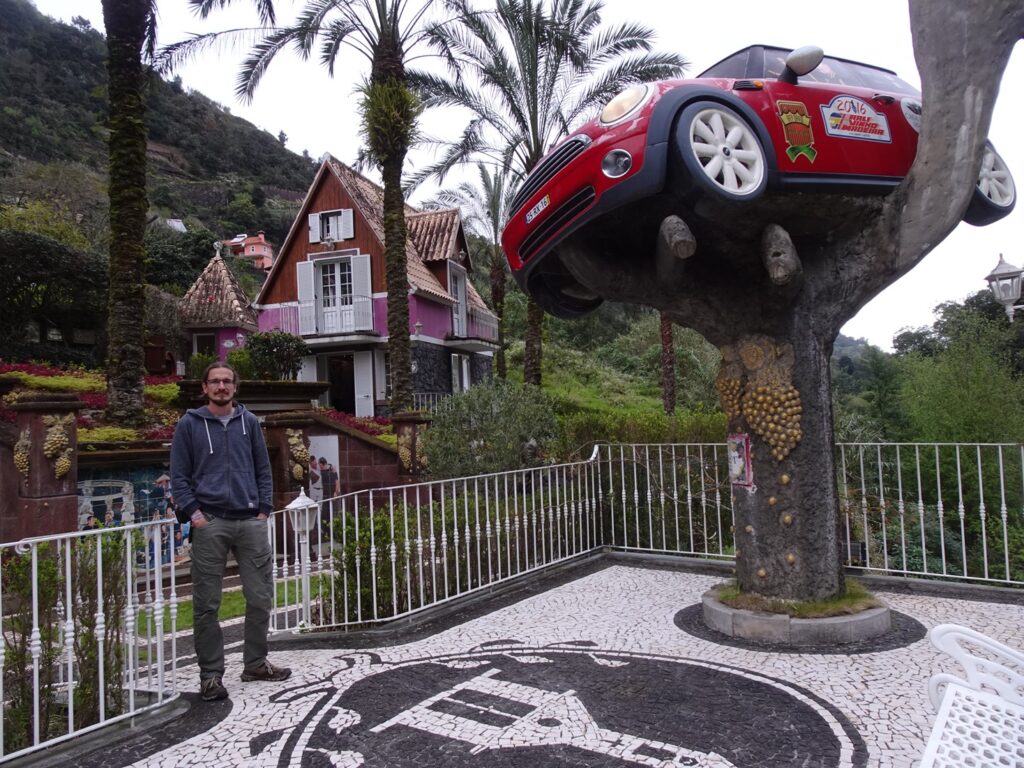
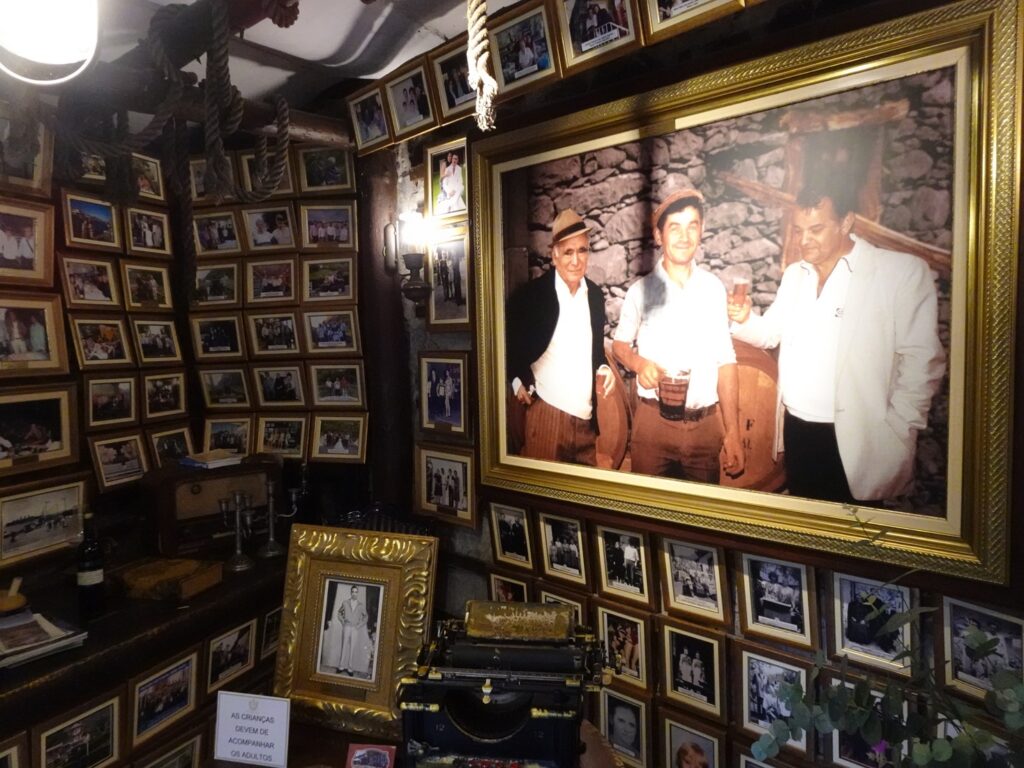
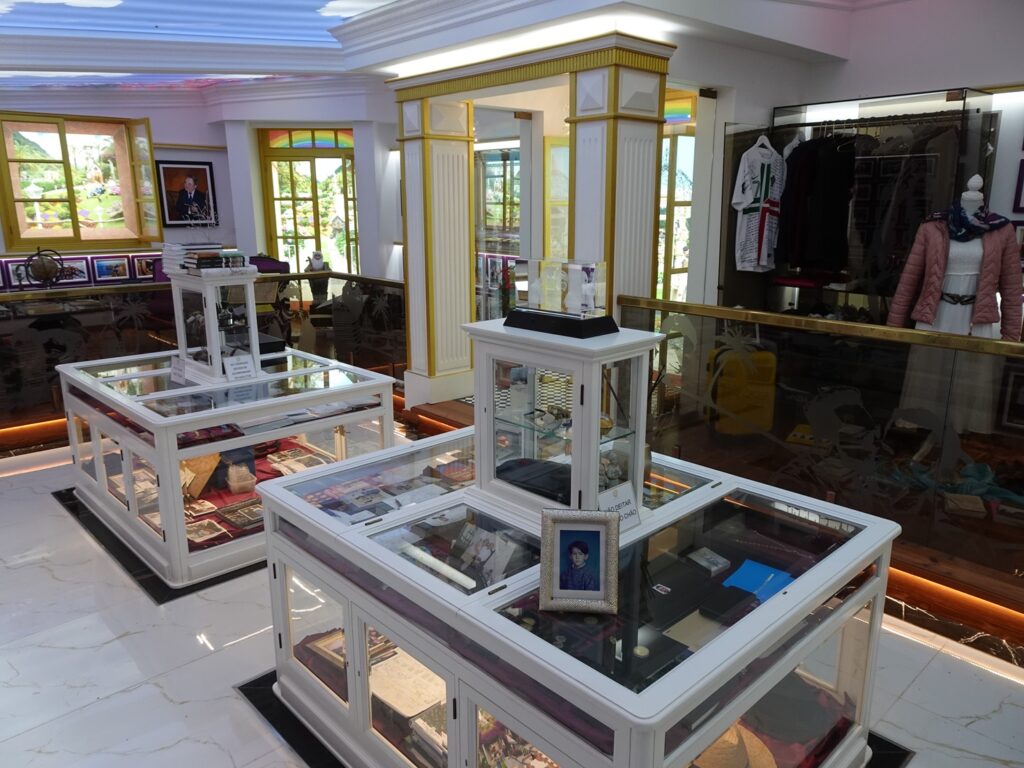
So far, so normal-sounding. So what’s so unusual about this place? Well, it’s all in the execution. For starters, there are thousands of images of the Teixeira Family plastered all over the walls of every single building. There are also statues of the family members randomly standing around the garden paths, some of which gave us a good little jump-scare.
Apart from that, there’s a tiny chapel with a neon-coloured picture of Jesus shooting laser beams out of his heart. There’s a small Greek Temple surrounded by Karyatide Statues holding bunches of grapes. There are badly photoshopped family pictures on tiled walls and an entire photoshopped sky complete with humongous pigeons inside one room. There’s a tree with a car on top of it for some reason.
I can’t put into words how weird this place is and how much we loved it. You have to see it for yourselves. When we visited in March, it was only open on weekends, but in the summer it’s apparently open every day. You can check the opening times on this site. There’s no entrance fee.
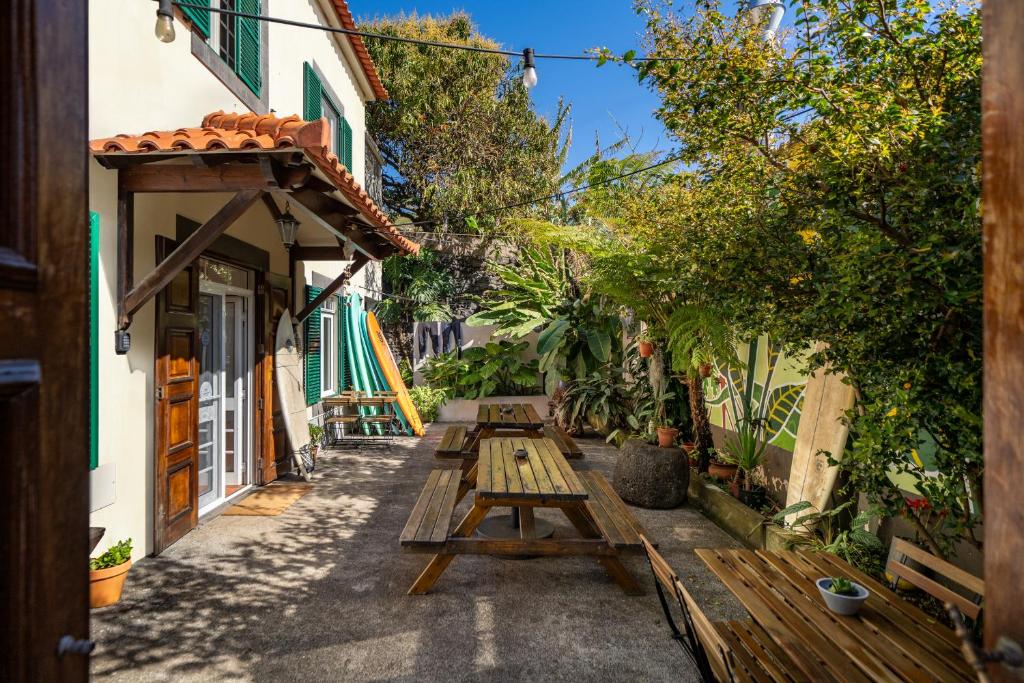
Eastern Madeira Hotel Tips
Budget: Jaca Hostel in Porto da Cruz (pictured)
Midrange: Stay Lombinho in Porto da Cruz
Luxury: Casa da Olides in Santana
.
Day 2 – Northern Madeira
Caldeirão Verde Hike
Our second day starts with another really cool hike, and once again it’s a popular one, so I’d recommend another early start. The Caldeirão Verde hike is one of the more spectacular levada walks we did on the island.
The levadas are little channels that were used to supply water around the island, from as early as the 15th century (although this one only dates to the late 19th century). They are usually accompanied by little trails that were originally used for maintenance, but are now useful walking trails.
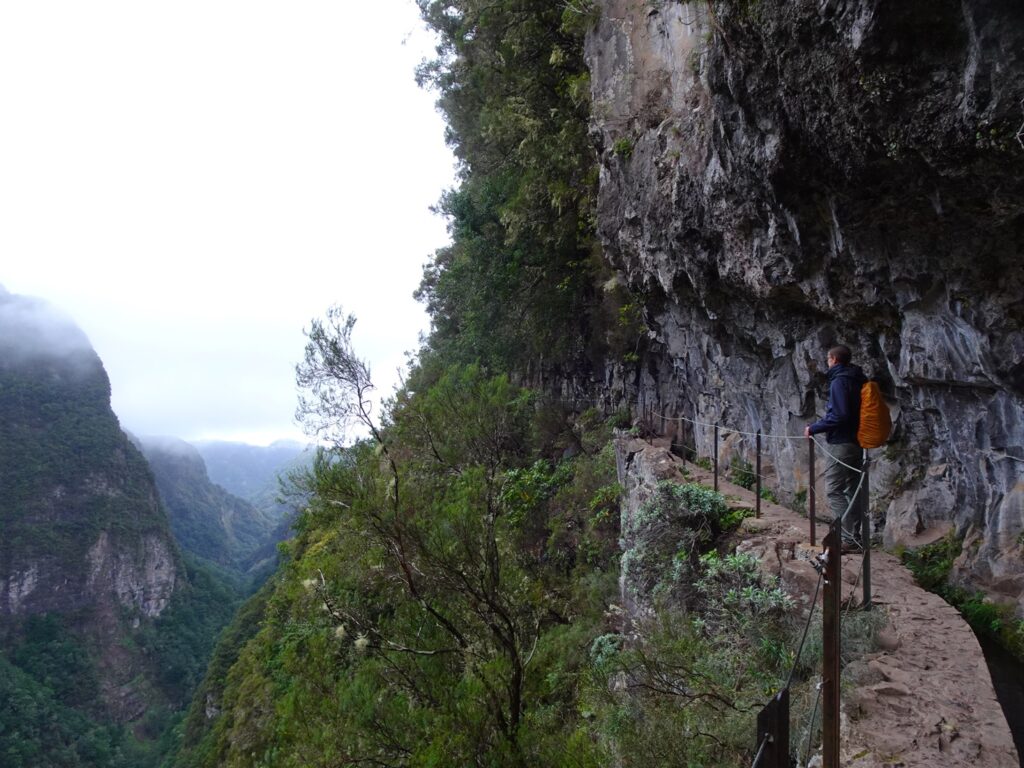
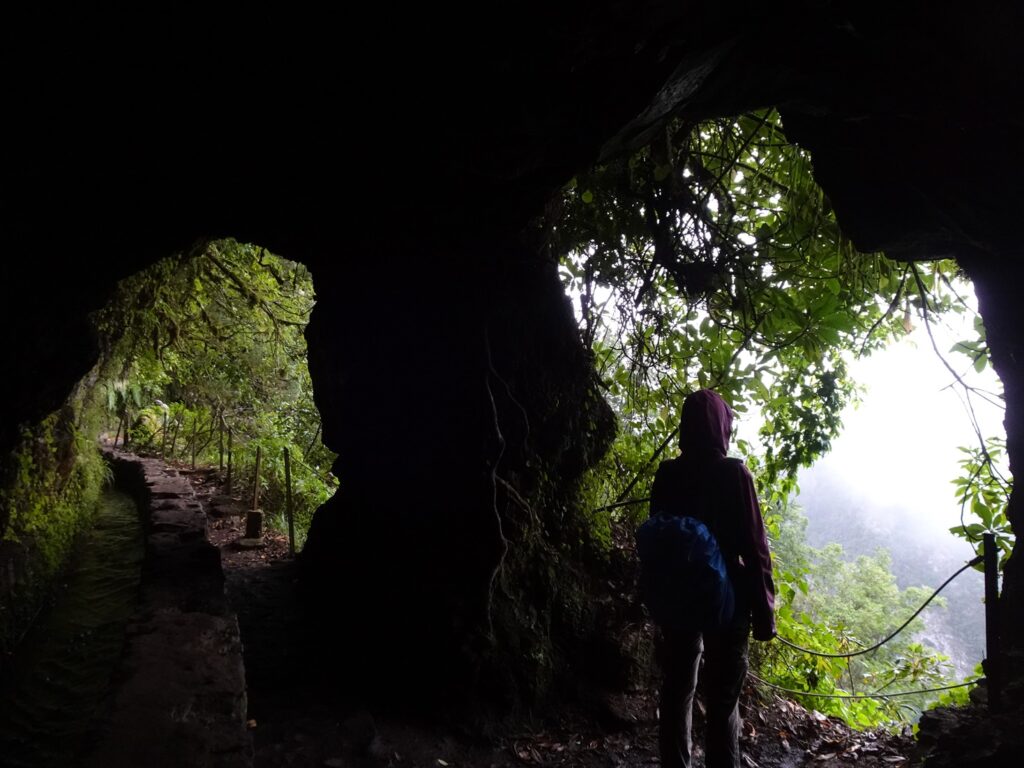
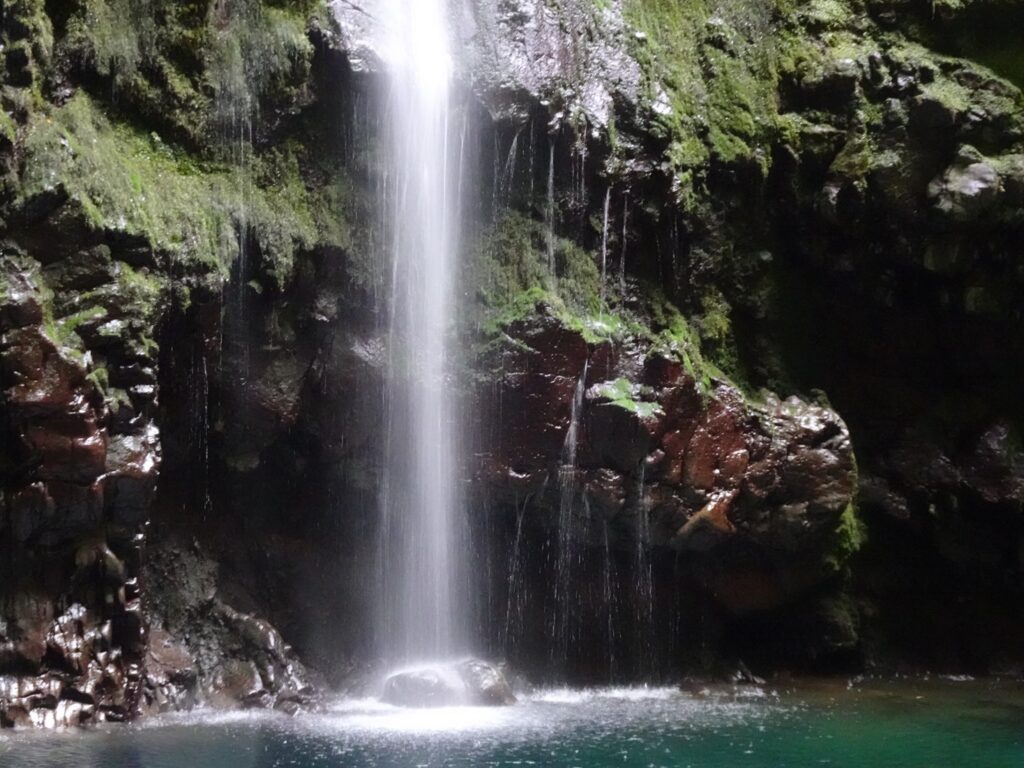
The nice thing about these trails is that they give you a chance to explore parts of Madeira’s dense Laurisilva Forest that would otherwise be inaccessible. This is also the case with the Caldeirão Verde Levada, where most of the trail leads through laurel forest with the odd waterfall along the way.
The closer we got to the end of the hike, the more spectacular the landscape became. There’s one section close to the end, which is carved out of the cliff face high over the Ribeira dos Arcos Valley, and has insane views. There are railings, but I’d say you still need a bit of a head for heights at this part.
At the end of the trail, there’s the titular Caldeirão Verde (lit. green cauldron), which is a tiny valley ringed by high cliffs, with a tall waterfall plunging down (the internet claims it’s 100m tall, but I’d say it’s more like 40 or 50m). We found the place pretty magical, especially since we managed to be there alone for a while.
Normally, you can combine this hike with another one, called Caldeirão do Inferno, but that trail was closed for maintenance when we were there, so we returned the way we came.
Practicalities
Once again we started our hike at dawn, had the way there and the waterfall at the end to ourselves at first, but then started meeting lots of people on the way back. Hiking this trail when it’s crowded would be even more annoying than on the São Lourenço Peninsula, as the trail is a lot narrower, making it hard to pass people.
The trickiest part of the hike are three longish tunnels through the rock, which were super muddy and had low ceilings. They weren’t much of a problem for Stefanie, but as someone who’s a little taller, I found them exhausting. Make sure to bring a torch, as they are long enough to be pitch black in the centre.
The whole hike, (there and back) is about 12km or 7.5mi., but the elevation gain is minimal, so it’s still pretty easy. It took us about 3.5 hours with some time to relax at the Caldeirão Verde.
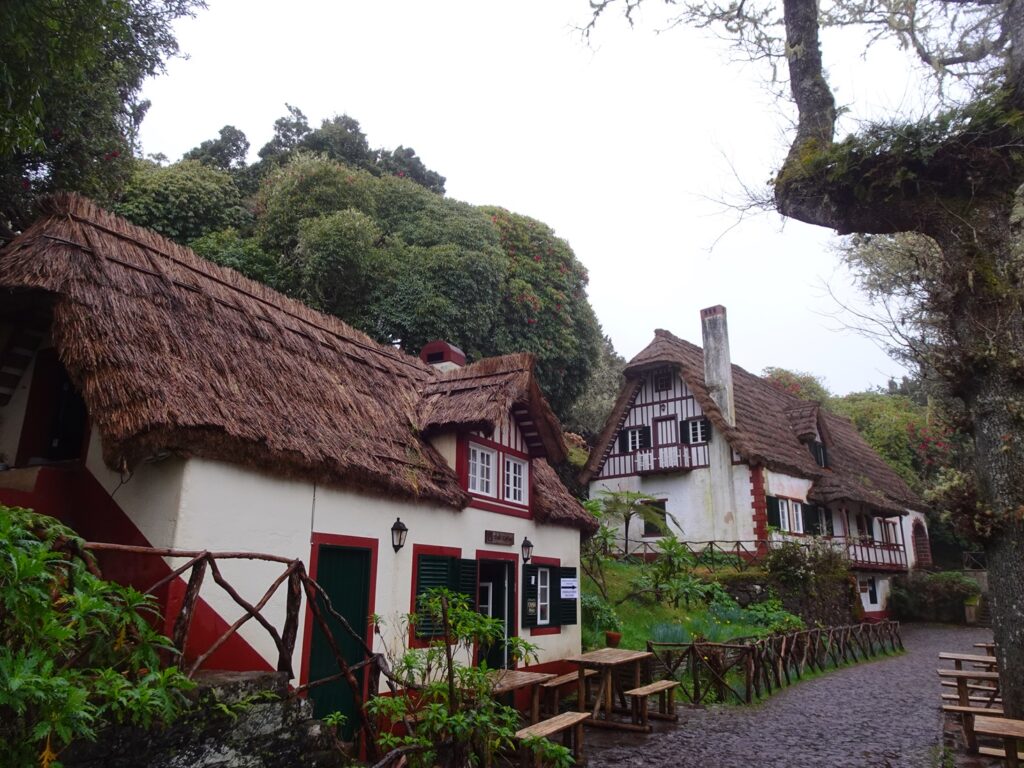
The trail starts at the pretty straw-roofed Casas das Queimadas from the 1940s, where there’s paid parking (2€ per hour) and also a café and a toilet (the only one on the hike). Once again, you now need to pay an entrance fee of 4.50€ and book a timeslot to do this hike, which you can do online on this site.
Santana and the Casas Típicas
After grabbing a bite at the Casas das Queimadas Café, you can make your way to Santana, a cute little town along the north coast.
What sets this place apart from neighbouring towns are the little triangular, red-and-white painted ‘Casas de Colmo’ (Straw Houses) aka. Casas Típicas (typical houses), which originally date to the 16th century.
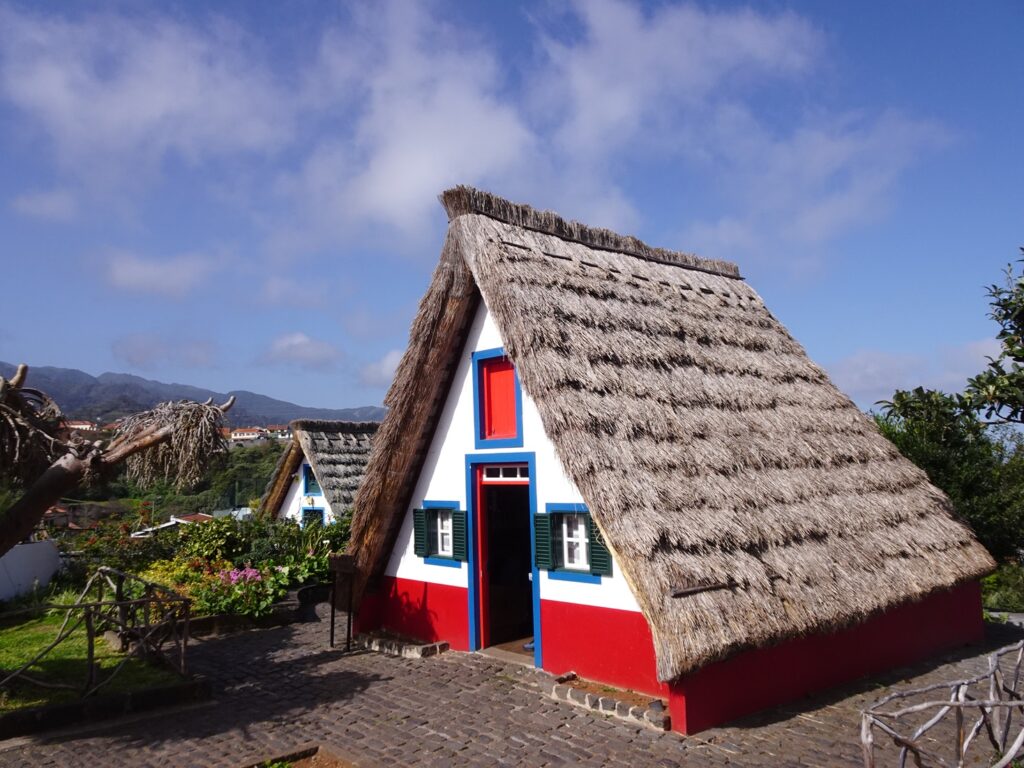
To be fair, we spotted them in other parts of Madeira as well, but these are usually replicas, while Santana still has a lot of original historic houses. There’s a small cluster of Casas Típicas near Santana’s main square, but these felt a little too touristy to us (especially as they all held little souvenir shops).
You can spot many more of the houses all over town. Make sure to check out the one at the southern end of R. Dr. João Abel de Freitas Médico. It’s one of the oldest remaining Casas Típicas in town and if the owner Manuel is home, he’ll be happy to have a chat show you around for a small donation.
From Santana proper, I recommend making a short detour to the coast to the Reserva Natural da Rocha do Navio. It was established in 1997 to protect the coastal and marine ecosystems along this stretch of the north coast and there’s supposed to be a colony of Monk Seals in the area (although we didn’t spot any).
You could technically walk down the steep trail to the sea, but if you feel like you did enough hiking for the day, you can do what we did and take the cable car. The ride alone is probably worth the 5€ fee (return), as you get both amazing views of the coast far below and of three tall waterfalls flowing down the sheer cliff behind the beach.
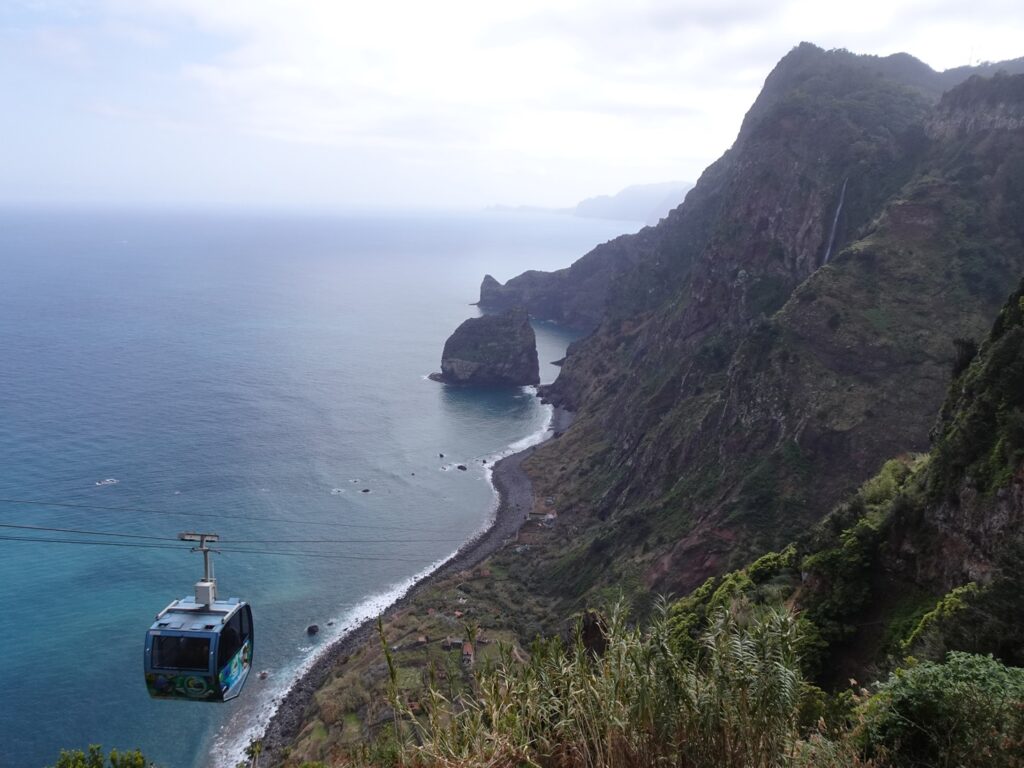
There is not a huge amount to see in the reserve, except for the impressive 94m tall Rocha do Navio rising out of the sea close to the pebbly shore. We also liked strolling around the tiny, completely deserted cluster of houses at the western end, where lots of bright flowers were growing when we were there in the spring.
That said, you should probably only go there when the weather is nice, as it won’t be half as enjoyable when it’s rainy and windy (in which case the cable car might not be running either). In that case, or if you’re short on time, I still recommend visiting the awesome viewpoint at the top of the cable car.
The ride takes only about 5 minutes and it ran from 9am to 5pm when we were there (with a break between 1 and 2pm). You can check the current times here.
Towns Along the Northern Coast
Afterwards, you can make your way bit by bit to Porto Moniz on Madeira’s north-western tip. There are a few pretty towns along the island’s northern coast, that are worth a short stop (or lunch break), like Ponta Delgada, São Vicente or Seixal, which has one of Madeira’s few natural sand beaches.
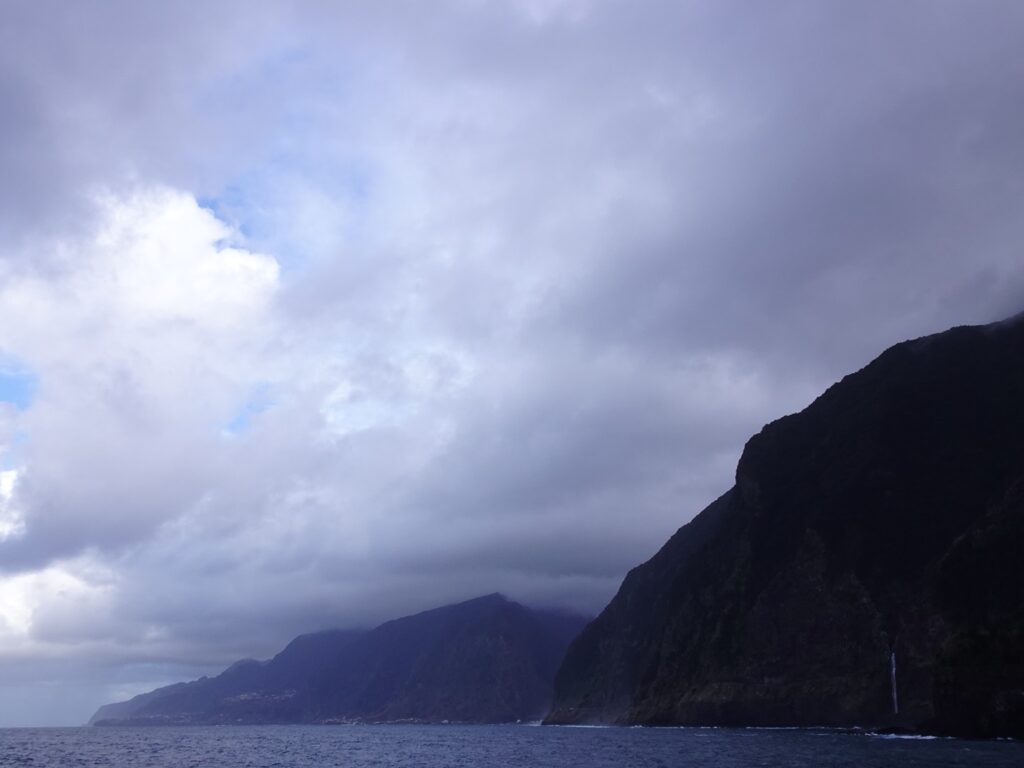
In between Seixal and Porto Moniz, I recommend taking a short detour to Ribeira da Janela, which has a cool viewpoint overlooking the Atlantic Ocean and some impressive rock spires that rise sharply from the sea. Afterwards, you can make your way to Porto Moniz, where I suggest you spend the night.
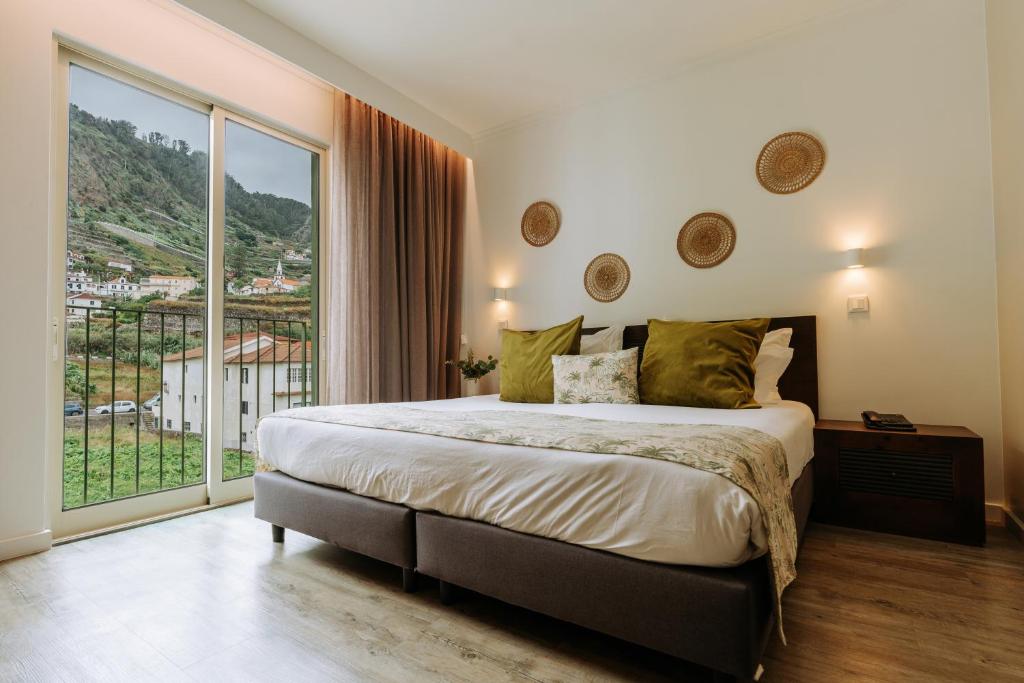
Northern Madeira Hotel Tips
Budget: Los Amantes de La Naturaleza in Porto Moniz
Midrange: Hotel Euro in Porto Moniz (pictured)
Luxury: Super Seixal Beach in Seixal
.
Day 3 – Western and Central Madeira
Porto Moniz
Porto Moniz is another cute small town that’s worth checking out for the atmosphere rather than any must-see sights. That said, there’s a small aquarium with local fish in the old fortress by the harbour and some natural pools by the sea.
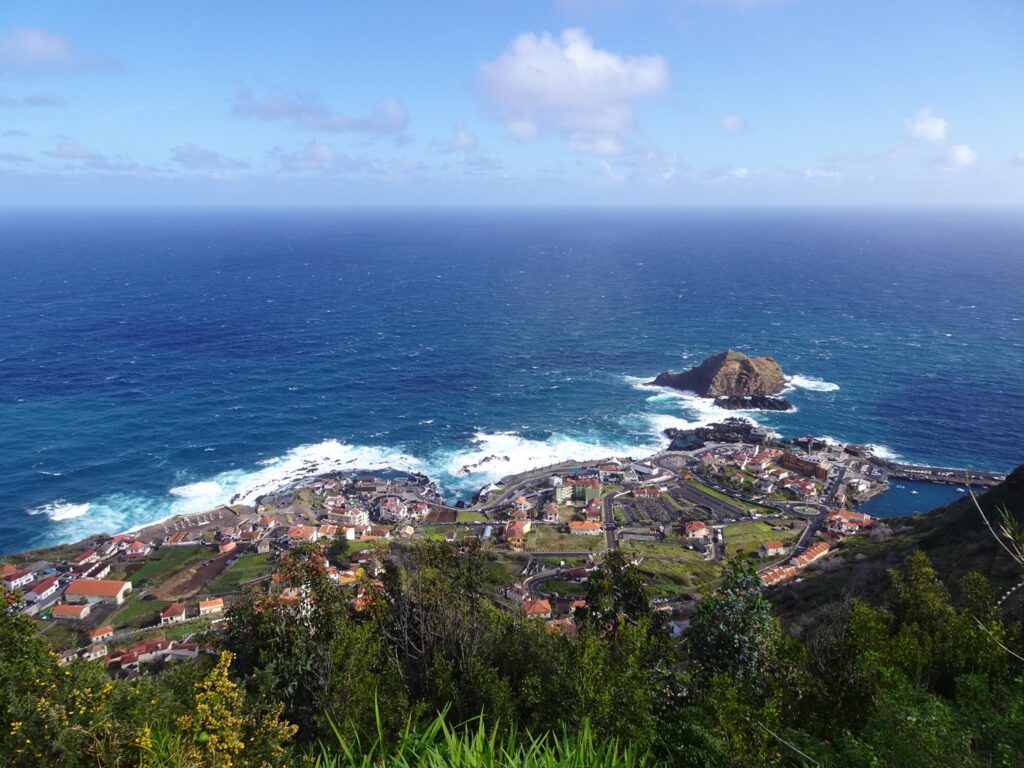
We came across lots of these pools in different towns and villages on the island, but the Piscinas Naturais do Aquário at the eastern end of Porto Moniz were by far the most impressive ones, because of the unusual forms and almost maze-like layout of the volcanic rock forming the pools.
As I stated a few times, we were on Madeira in the stormy winter, but if you’re traveling in the summer, I’d say it’s worth taking a dip here. They’re open during daylight hours in the summer and a ticket is 3€.
Fanal Cloud Forest
To me, this area full of ancient, gnarled laurel trees is by far one of the coolest places on the island. The Madeira laurisilva forest ecosystem dates back about 20 million years when large parts of Europe were covered in similar forests that were destroyed during the last Ice Ages.
There are just a few remaining patches of this kind of forest in the world. For instance, we’ve explored a few on the neighbouring Canary Islands. The forests on Madeira have been declared a UNESCO World Heritage Site in 1999.
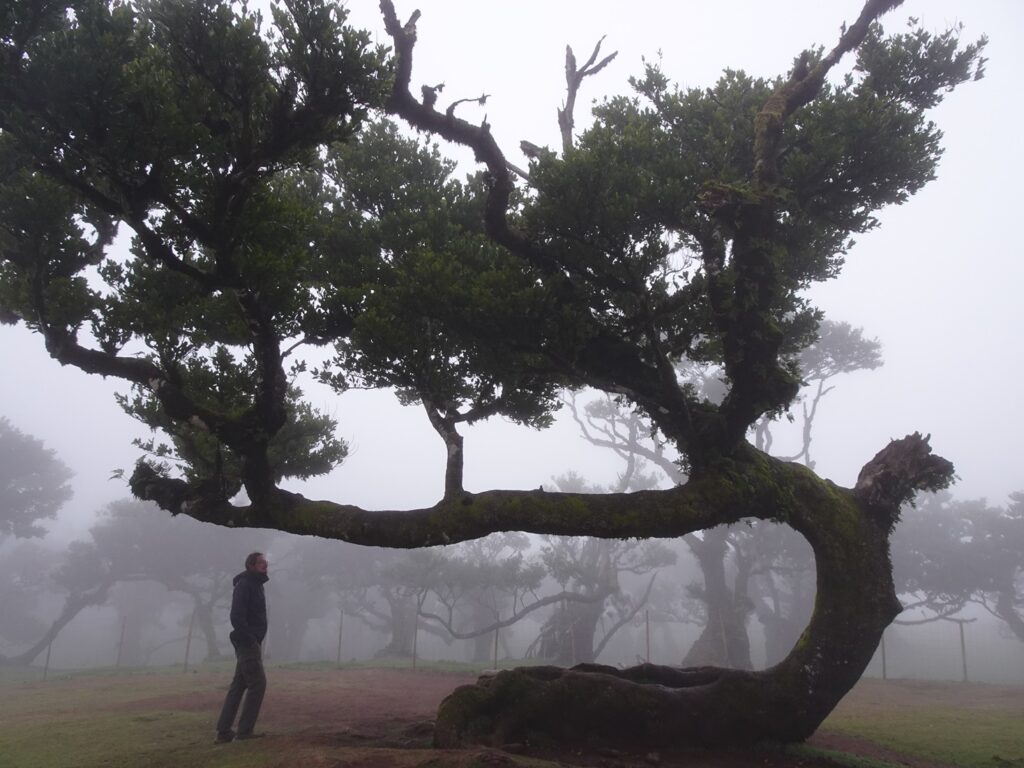
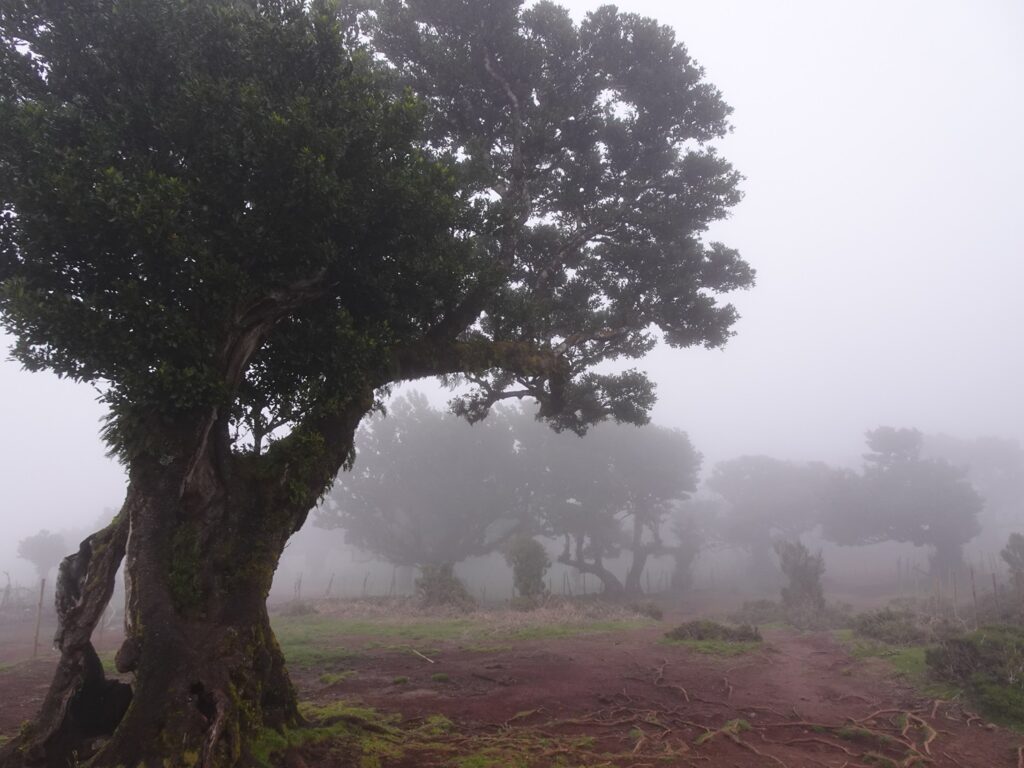
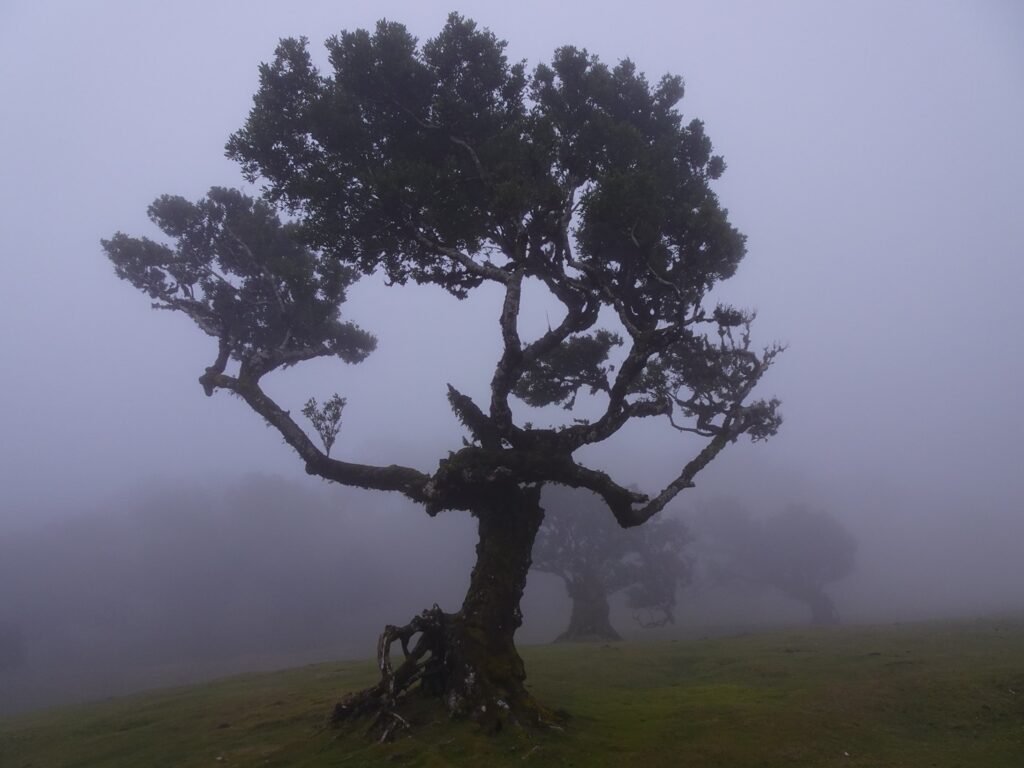
The trees of the Fanal are the oldest ones on the island and some date back more than 500 years. That means that they were already there before the island was first settled, which is quite amazing when you think about it.
This is actually one of the few places on the island, where I think it’s better to come when the weather is bad, as the sight of these ancient, twisted trees appearing out of a wall of dense fog is incredibly atmospheric.
At the western end of the area, there’s a circular lake in an old caldera, that’s surrounded by even more impressive trees. It was very peaceful when we were there, but we read that the lake can completely disappear when the weather is very dry, so it might be less attractive in the summer.
There’s a large car park off the ER209 at the eastern end of the Fanal, from where it’s a short walk north to the trees.
Hiking in the Rabaçal Reserve
A few kilometres further to the south lies the large Rabaçal Nature Reserve, which is a good hiking destination. You can park your car near the ER105, from where you’ll have to walk for about 30 minutes along an asphalt road to the Rabaçal Nature Spot Cafe, where lots of different hikes start.
Alternatively, there’s a shuttle bus running between the café and car park during the day, but it’s quite expensive (5€ one way, 8€ return), so we decided to walk instead.
25 Fontes and Risco Waterfall Hikes
There are two very popular levada hikes in the area (25 Fontes and Risco Waterfall) and if you want to check them out, I recommend you do it later in the afternoon, when it’s not so busy, or alternatively as early as possible after sunrise.
The 25 Fontes lie in a little hidden valley, where lots of streams run down the rock face into a small lagoon (it looked like far more than 25 to me). There’s also one much bigger and taller cascade. Similar to Caldeirão Verde, the trail leads along a small levada with some impressive views of the Valley, which runs all the way north to Ribeira da Janela.
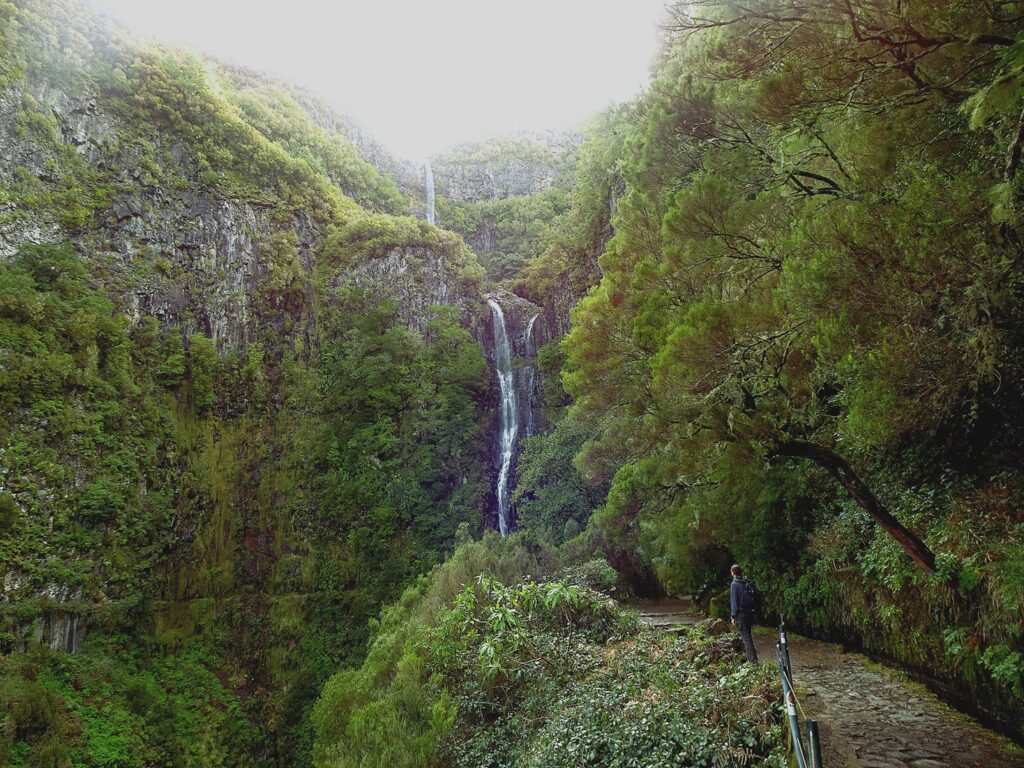
As the trail is very narrow, this is probably the hike that requires the best timing to avoid the crowds. Near the start is another path that leads east to the impressive Risco Waterfall. This is another popular hike, but the path is much broader, so it’s not as annoying when it’s crowded as the 25 Fontes would be.
You can do both 25 Fontes and Risco Waterfall in about 1.5 hours from the Nature spot café and they’re both fairly easy (although you have to walk down quite a few steps to get to the 25 Fontes trailhead). Otherwise, there are some other hikes in the area, which are a lot more peaceful.
Lagoa da Vento and Levada do Alecrim Hikes
One of them is the trail to the Lagoa do Vento, that starts at the asphalt road a little south of the Café and leads to the top of Risco Waterfall. At the “windy lake”, there are some great views of the valley and another impressive cascade that is kind of hidden from the actual Risco Waterfall viewpoint (although you can see it from further away).
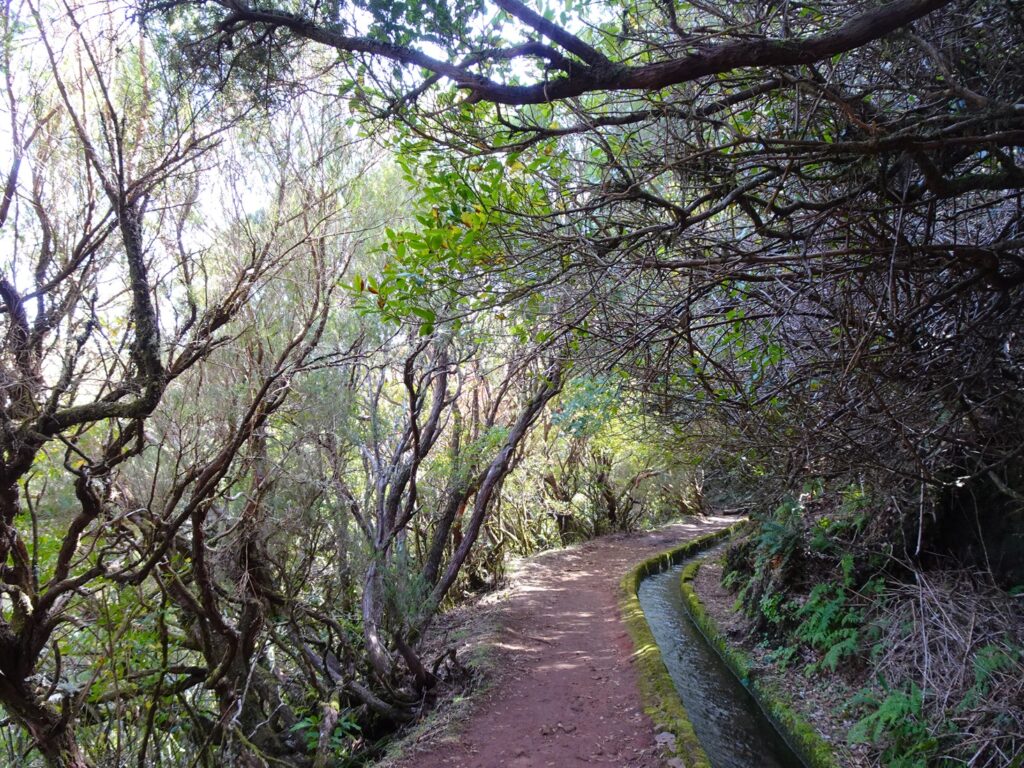
Instead of returning to the Rabaçal Café, you can follow the trail further east and then south to the Levada do Alecrim, which leads all the way back west to the car park. If you’ve still got energy and want to do another detour, you can first follow the same levada to its eastern end, where there’s a pretty little waterfall in beautiful surroundings at Lagoa da Dona Beja.
Practicalities
We combined all of these hikes by first walking along the asphalt road to the Rabaçal Café, then doing the 25 Fontes and Risco Waterfall trails, and afterwards following the path to the Lagoa do Vento and Lagoa da Dona Beja before returning to our car along the Levada do Alecrim.
That said, we started (early) in the morning, so it made sense to begin with the more popular trails. I think the late afternoon would be a nicer time (especially if you’re a photographer) as the light will shine on all the waterfalls instead of them being constantly backlit.
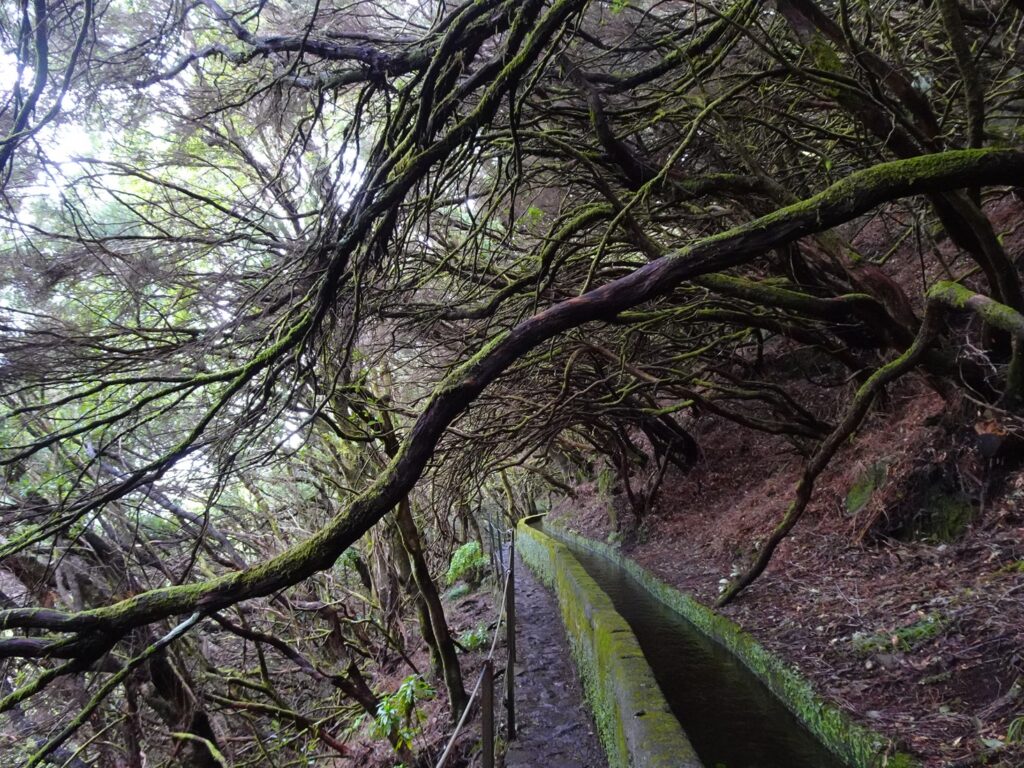
If you do decide to do it in the afternoon, it’s best to switch around the order to start with the Levada do Alecrim and end with the 25 Fontes. If you’re unsure when to start, we found this Webcam useful, to check both how crowded the car park was and what the weather looked like in this area at different times (although that can change very quickly).
All of the hikes combined are about 14km or 9mi. and took us around 5 hours with lots of stops along the way. The Rabaçal Café, from where the hikes spread out, makes a nice stop for a Café Bica and a snack, plus there’s a free toilet inside (as opposed to the one outside, where you have to pay).
Once again, you’ll now have to pay an entrance fee of 4.50€ and book a timeslot on this site to do some of the hikes. Afterwards, you can make your way down to the south coast for some dinner and to spend the night.
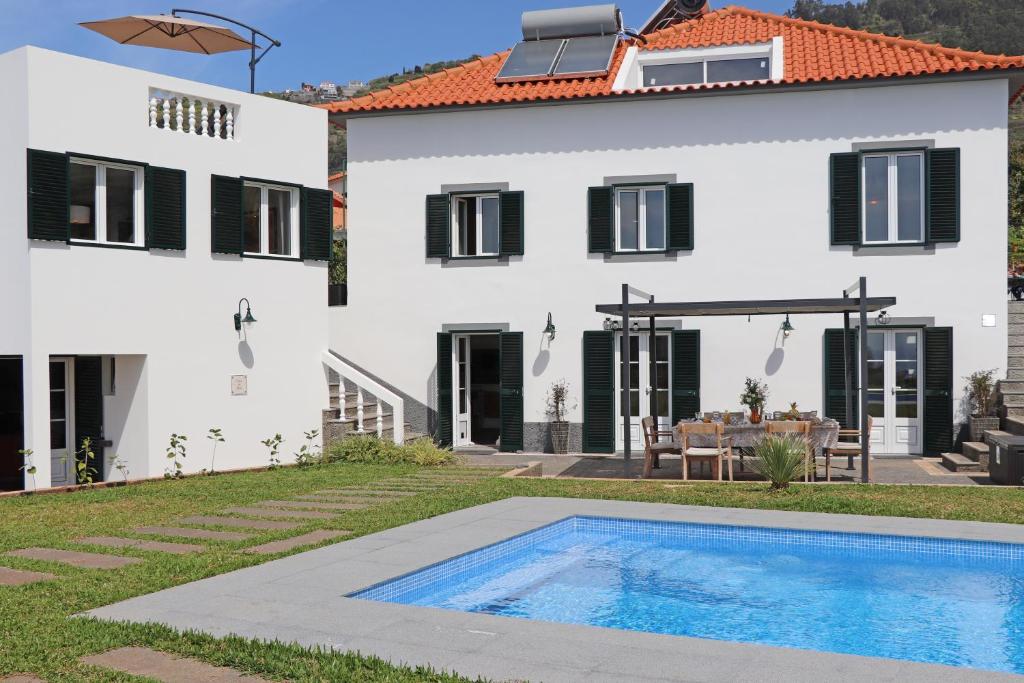
Southern Madeira Hotel Tips
Budget: Flag Hotel Madeira in Ribeira Brava
Midrange: The View in Ribeira Brava
Luxury: Casa Do Mar in Calheta (pictured)
.
Day 4 – Southern Madeira
Towns Along the Southern Coast
On this day, you can explore the sunny southern coast and make your way bit by bit to Funchal. There are lots of pretty small towns and villages to check out along the southern coast and many of these have worthwhile little museums.
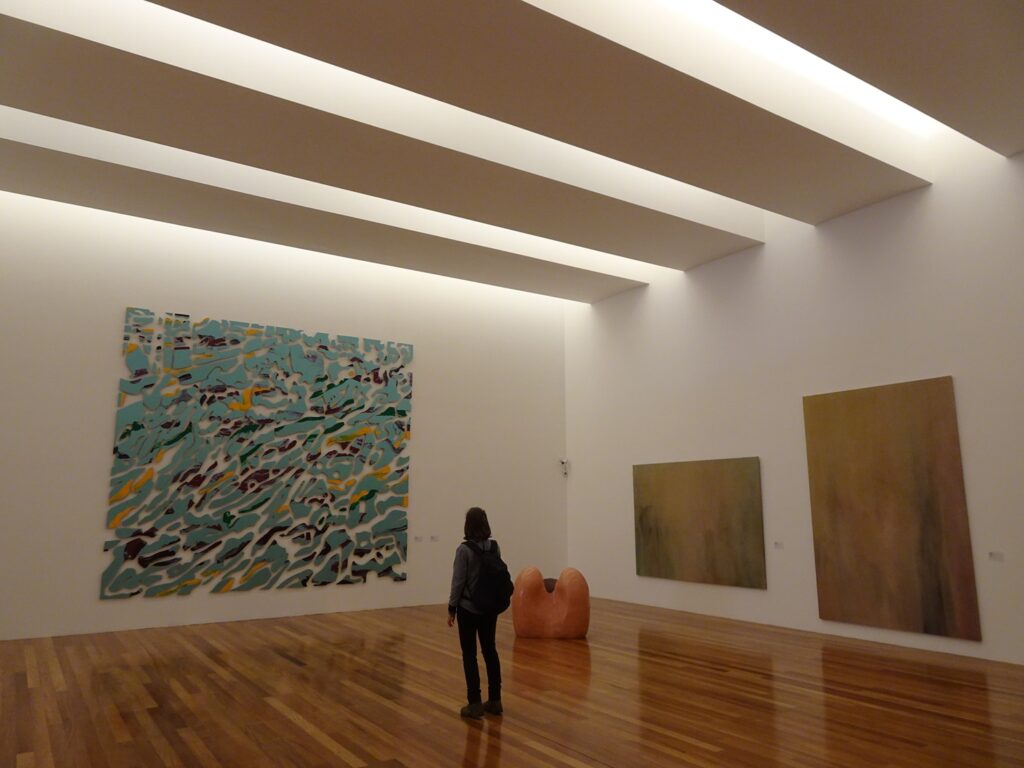
One of them is the surprisingly large MUDAS Museum of Contemporary Art in Calheta, while Ponta do Sol has an unusual, but very interesting museum about the history of the local banana production and export (where you can also try some banana cakes and even banana beer in the café on the grounds).
Finally Ribeira Brava has an Ethnography Museum that deals with all sorts of traditions on Madeira, from fishing techniques to crafts and even unusual modes of transport (like Funchal’s toboggan sleds). We checked out all of these museums and found them all worthwhile, but if your time is limited, I suggest you pick the one that interests you the most.
Cabo Girão Skywalk
A little further east from Ribeira Brava is Cabo Girão, which at 580m or 1,900ft. is one of the highest cliffs in Europe. There’s a viewpoint on top, with amazing views, especially to the east with Câmara de Lobos far below and Funchal behind it in the distance.
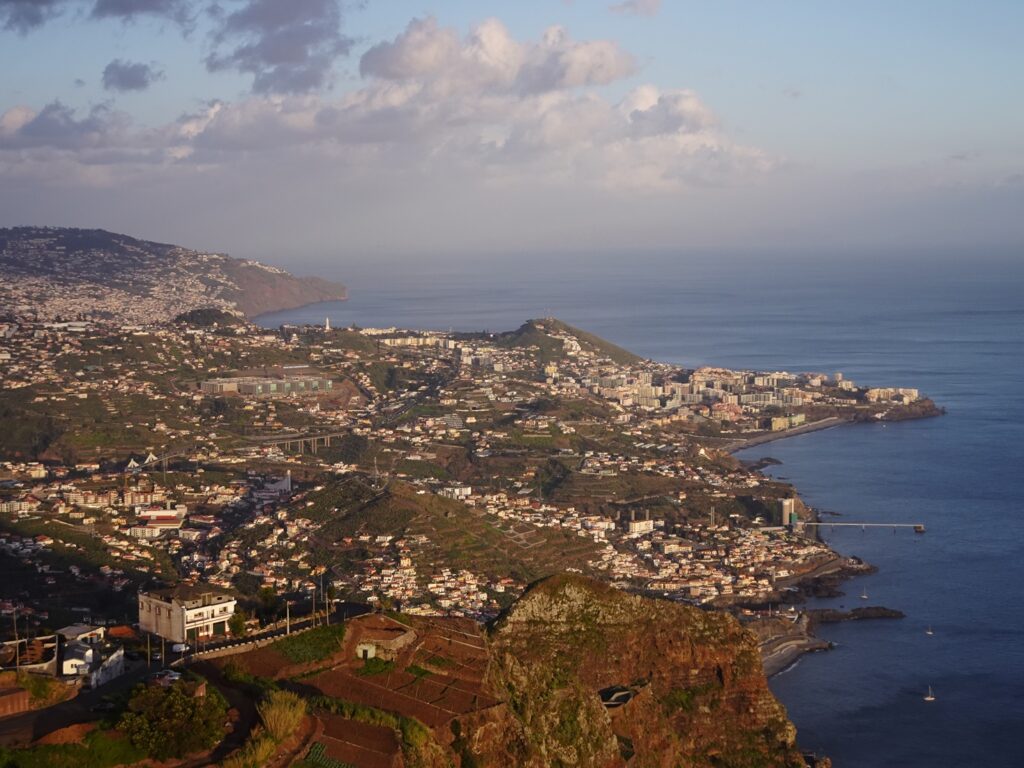
There’s also a cool section of glass floor, which is the highest skywalk in Europe, but if you’ve got a problem with heights, there’s no need to step on it. The entrance fee was 3€ and the viewpoint was open from 8am to 8pm when we were there. Double-check the times here.
Câmara de Lobos
Câmara de Lobos is one of the island’s bigger towns and worth checking out for an hour or two. It started out as a traditional fishing village and the harbour still felt like the liveliest place in town to us.
The town is said to be the birthplace of the famous Madeiran Poncha, which consists of alcohol distilled from sugar cane juice, honey, sugar, and different fruit juices (the most typical is Poncha à Pescador, made with lemon juice).
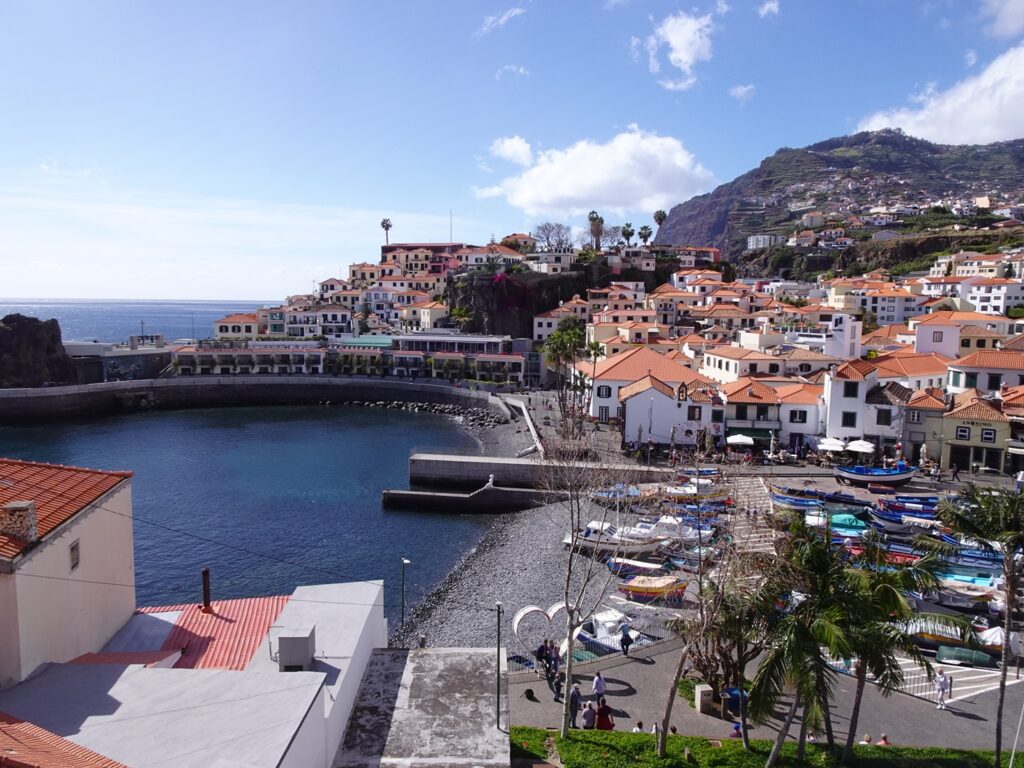
We had it in different towns on the island, but of course we also had to try it at its place of origin. We had one at the Bar Filhos d’Mar, but there are lots of bars around the Largo do Poço square at the western end of the harbour that sell it.
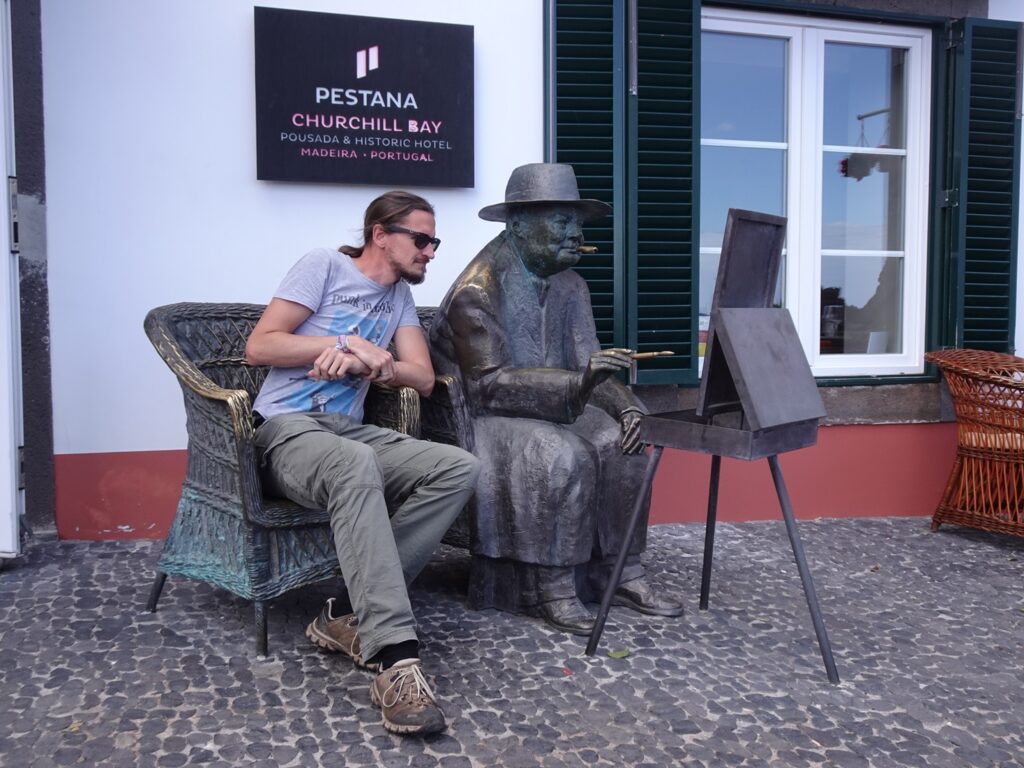
Apart from that, the town is most famous for the fact that Winston Churchill once spent some time here in the 1950s. There’s a famous photo of him painting the town and you can visit the viewpoint were he did that above the eastern end of the bay. There’s also a statue of Churchill swinging a paintbrush in front of the Pestana Beach Hotel right by the harbour.
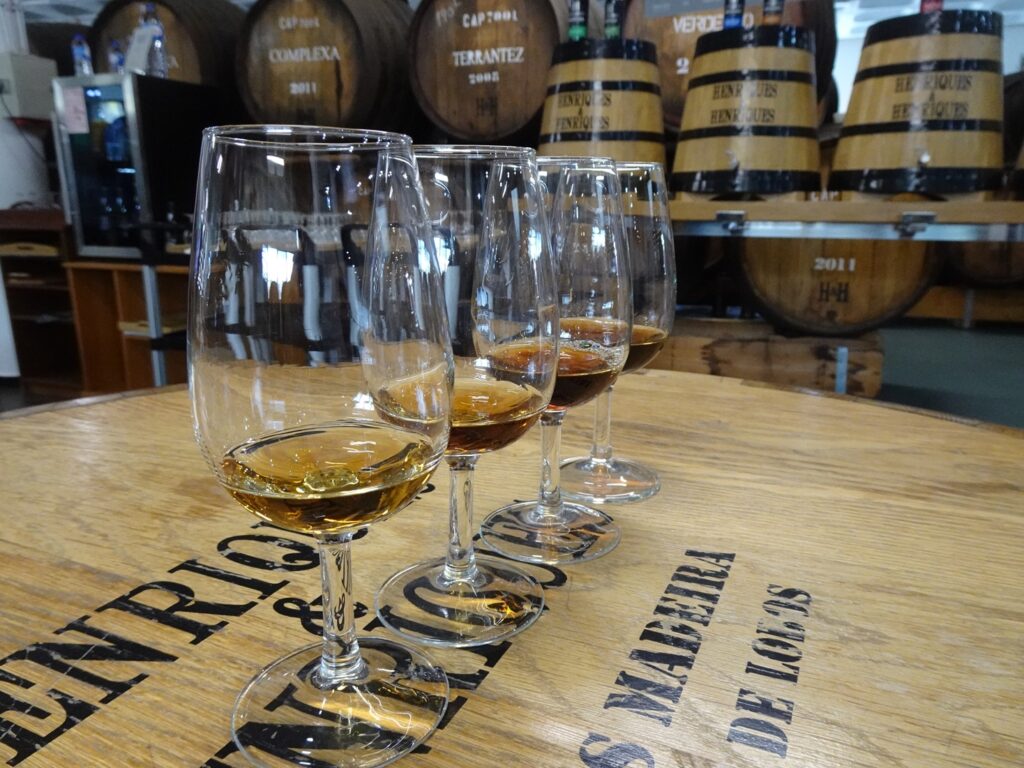
A little further to the west is the Praça da Autonomia, where you can check out the pretty church, visit the Museu de Imprensa da Madeira, which displays some old paper printing machines or try the different variations of Madeira Wine at Henriques & Henriques winery.
Valley of the Nuns (Curral das Freiras)
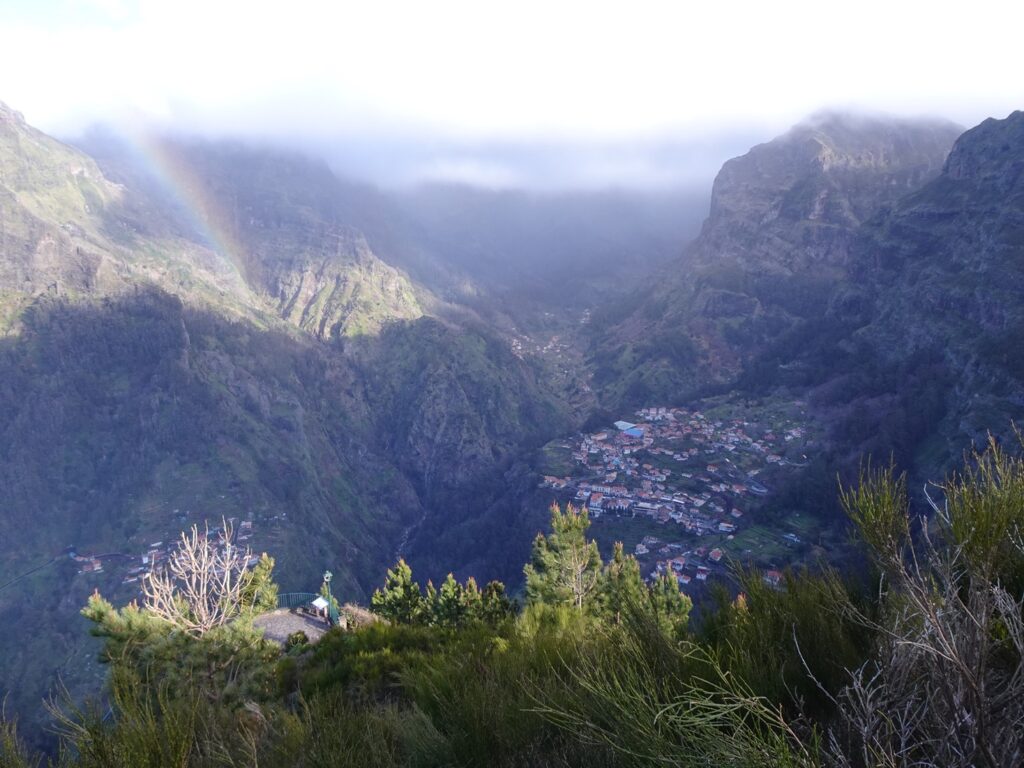
This is an interesting little village in a hidden mountain valley to the north of Funchal. The place got its name because the nuns from Funchal’s Santa Clara Convent actually fled here during a pirate attack in 1566.
The area is also famous for its cultivation of sweet chestnuts and in town you can try everything from different chestnut cakes (recommended) to chestnut beer (not recommended, or maybe it just wasn’t for me). Our favourite was still the basic plate of slightly salted, roasted chestnuts.
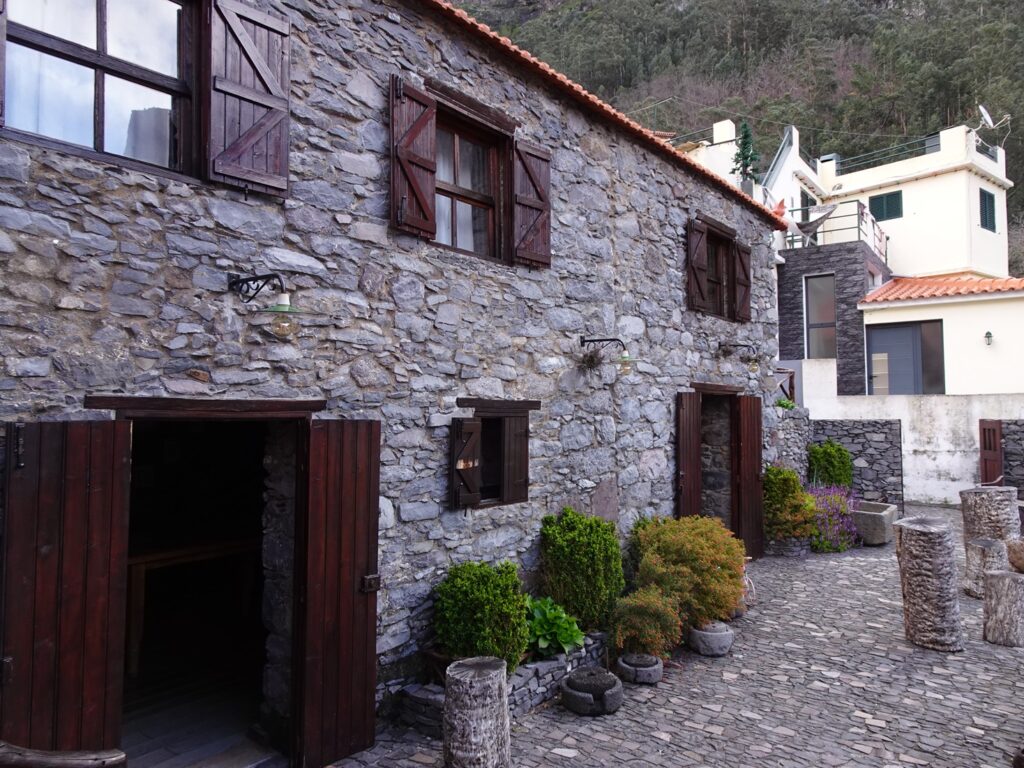
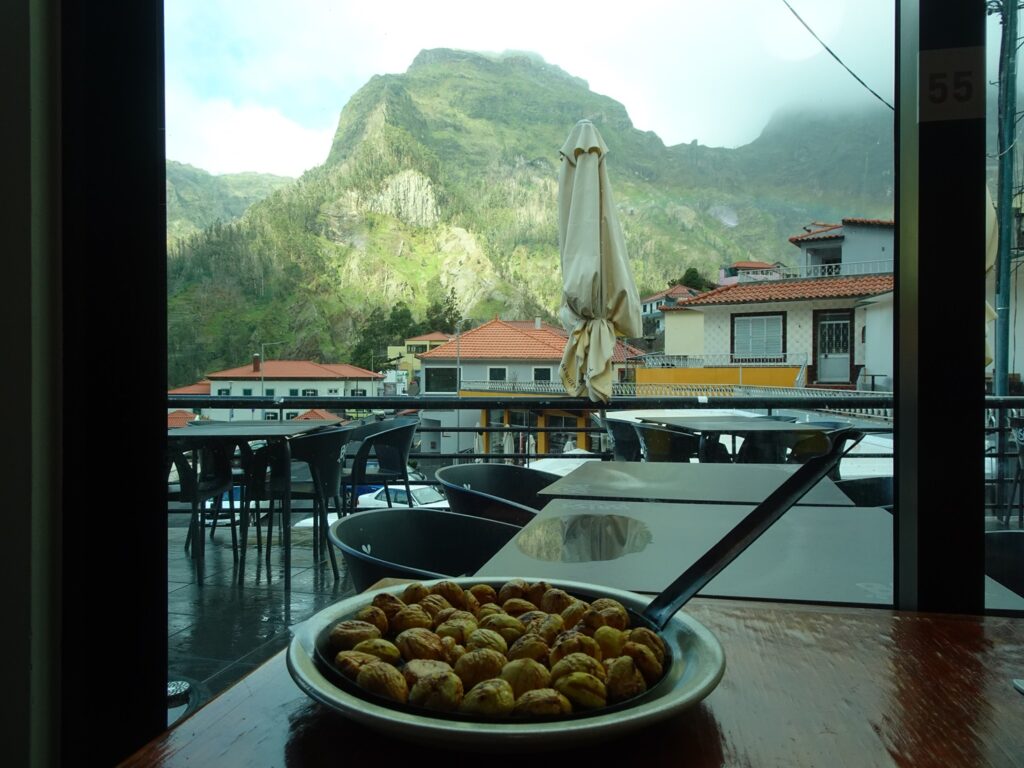
We tried all of these at Vale das Freiras, which also has the tiny Museu da Castanha next door, where you can learn more about the chestnut production and the way people used to live here up until a hundred years or so ago. There’s an entrance fee of 2€ and you can check the current opening times here.
Apart from that and the pretty church, there isn’t a whole lot to do in the village, except maybe soak up the atmosphere of this little forgotten corner.
One small detour you shouldn’t miss on the way there or back is to the Miradouro Eira do Serrado, where the views of the mountains towering over the tiny village absolutely blew us away. For me, this was the most impressive viewpoint on an island full of cool viewpoints.
Pico do Areeiro
From the Miradouro Eira do Serrado, you can follow a small, winding and sometimes very steep road east through the mountains and all the way to the top of Pico do Areeiro.
Depending on how much time and energy you have left, you can either just check out the views of the surrounding mountains or hike (at least part of) the famous PR1 trail between Pico do Areeiro and Pico Ruivo, the island’s highest mountain.
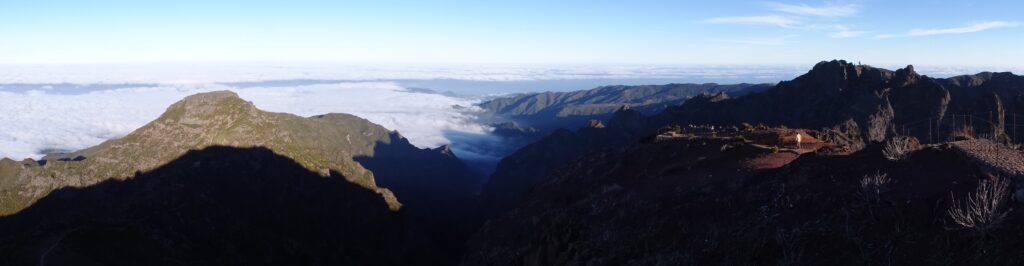
When we were on Madeira, the trail was still closed for maintenance, but as of April 2026, it’s open again. Instead, we hiked up to Pico Ruivo from Achada do Teixeira in the north, which is definitely also a trail worth doing, if you have an extra day.
If you plan on doing the PR1, it would likely be better to start at Pico do Areeiro, which has a car park on the summit. That way, you can skip the extra 5km/3mi. walk from Achada do Teixeira to Pico Ruivo and back.
You can also use this webcam to check the weather on Pico Areeiro, which can be very different from the coast. It was pretty foggy when we were at the summit, so we were glad that we had climbed Pico Ruivo with much better views a few days earlier.
Funchal Hotel Tips
Budget: Santa Maria Hostel
Midrange: Quinta Da Penha De Franca
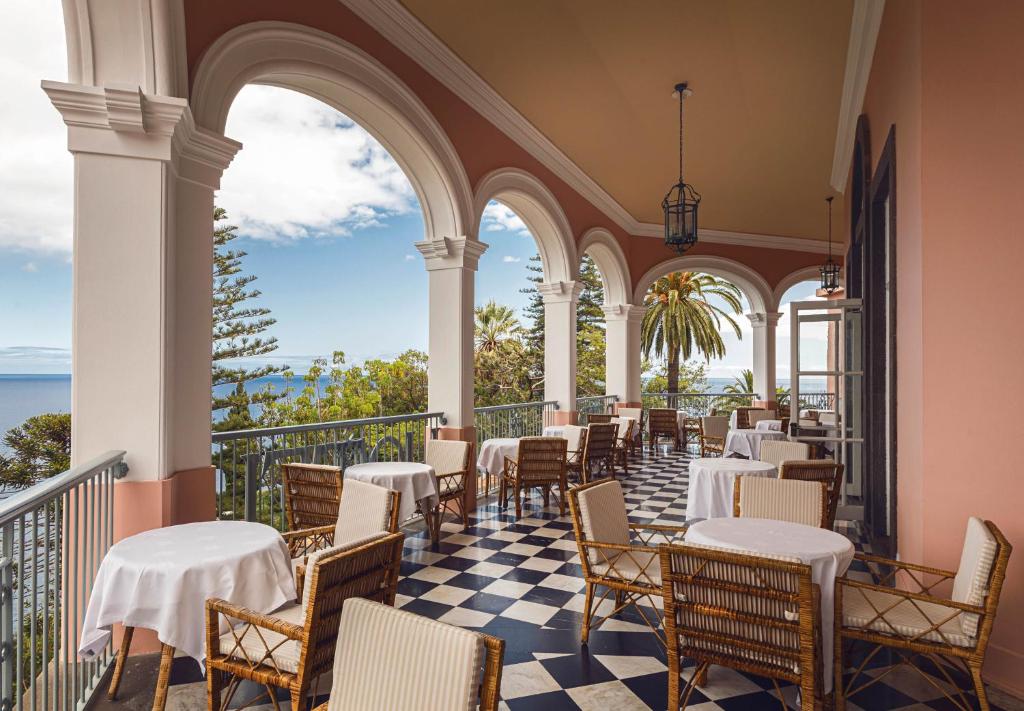
Luxury: Reid’s Palace (pictured)
.
Day 5 – Funchal
Funchal is Madeira’s capital and with more than 100,000 inhabitants by far its biggest city.
It has been Madeira’s main hub since the early 15th century, when Portuguese settlers established it as an important Atlantic port for sugar and later wine trade, and we still saw lots of traces of different historical periods in the different neighbourhoods.
I’d say that you don’t need a car on this day, especially if you want to take the toboggan ride down the mountain from Monte. Also, the combination of heavy traffic and super narrow and steep one-way streets make driving here quite nerve-wracking (and I say that as someone who usually has no issues with difficult driving conditions).
Mercado dos Lavradores
A good place to start your day is the Mercado dos Lavradores, as it’s at its liveliest in the morning. The market dates back to the 1940s and was designed during the Estado Novo period, which you can still see in some of the architectural details and tilework (there are a few interesting azulejo mosaics at the main entrance in the west).
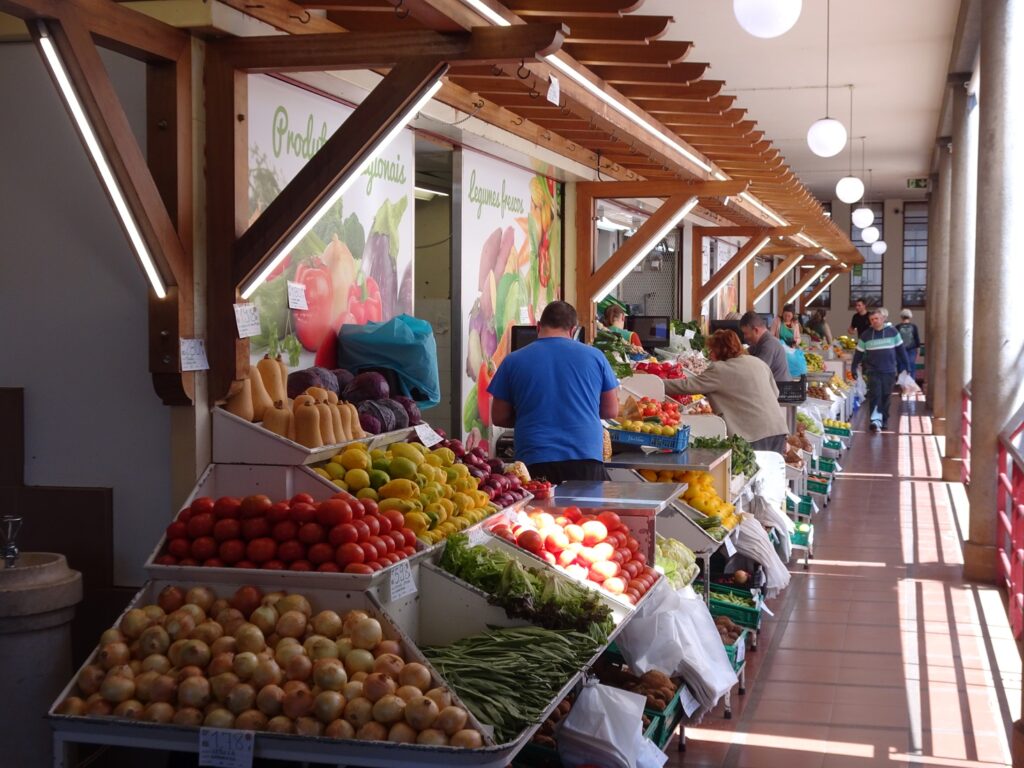
The vendors inside sell mostly fruit and vegetables, but we also saw a few flower shops, plus the odd stall selling souvenirs. In the back, there’s a big area where fresh fish is sold in the morning.
On the upper story balcony are two pretty open-air cafés, but if you’re looking for some cheap breakfast (or just coffee), it’s far better to check the surrounding streets. We had a coffee bica at A Mercadora directly to the north of the market and at 60 cents, it was by far the cheapest we had on the island.
Sé Cathedral
From there, make your way to the Sé Cathedral of Funchal. It was completed in the early 16th century, which makes it one of the oldest buildings on the island. It’s relatively understated from the outside, but the interior is decorated in the always impressive Manueline (Portuguese Late Gothic) style and has some interesting details.
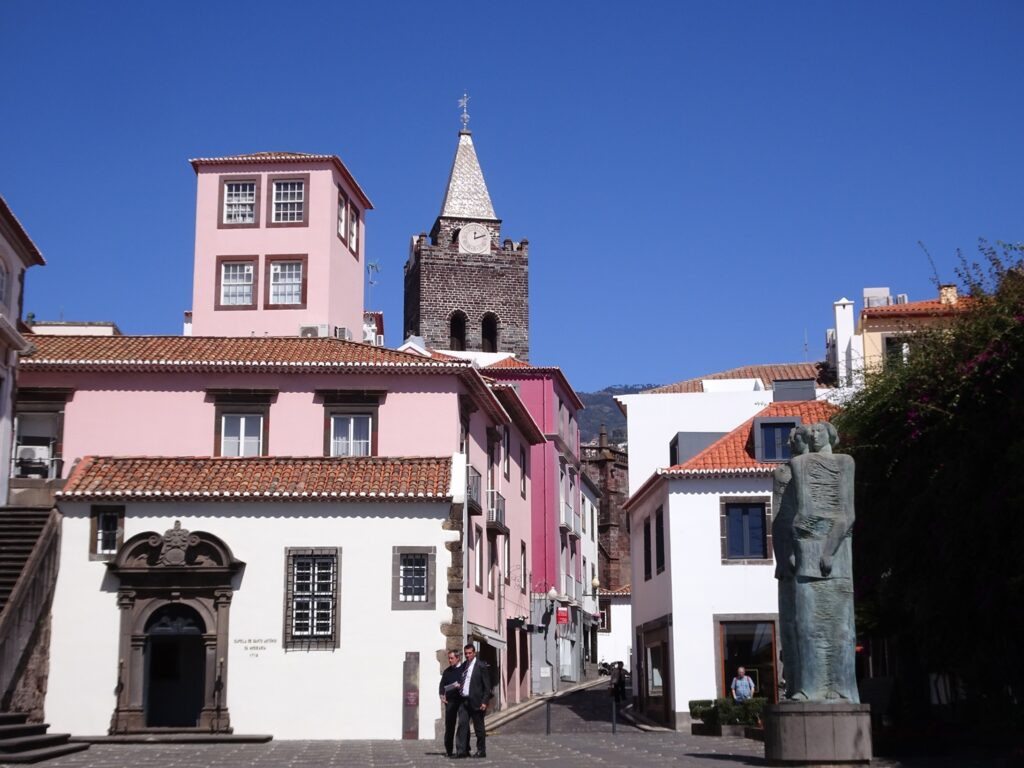
The carved wooden ceiling with its Mudéjar decorations is beautiful and I really liked the super-ornate Capela do Santíssimo Sacramento with its gilded woodwork, which is directly to the right of the main altar.
We also climbed up the cathedral tower for some good views of the surrounding buildings and the harbour bay. You can get a ticket (4€) at the souvenir shop to the right of the entrance. Otherwise, there’s no entrance fee for the Cathedral. You can check the opening times here.
Monte Palace Gardens
Afterwards, I suggest making your way up into the hills to Monte Palace Gardens, which was by far my favourite place in Funchal. It’s a large tropical garden with lots of blooming flowers, small lakes, fountains and plenty of sculptures and tile mosaics.
The easiest way to get there from the city centre would be to take the cable car from the waterfront. That said, we took the bus, as we were visiting early in the morning and the cable car wasn’t running yet. We took Bus 22, but there are more lines going in that direction. You can check the connections here.
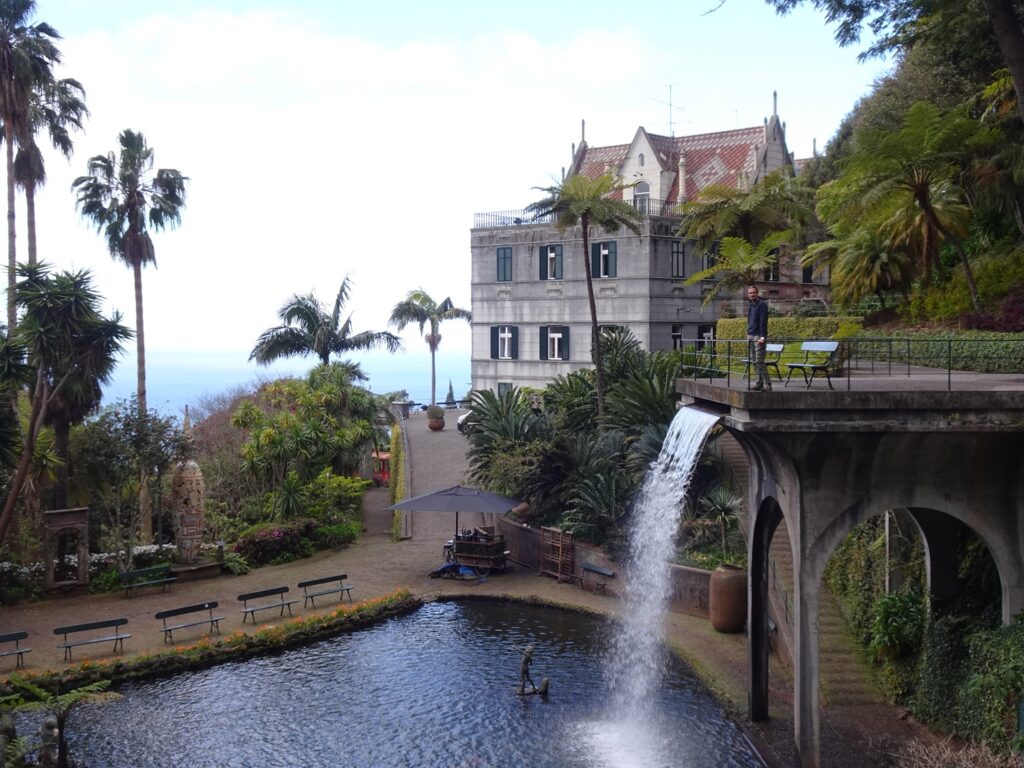
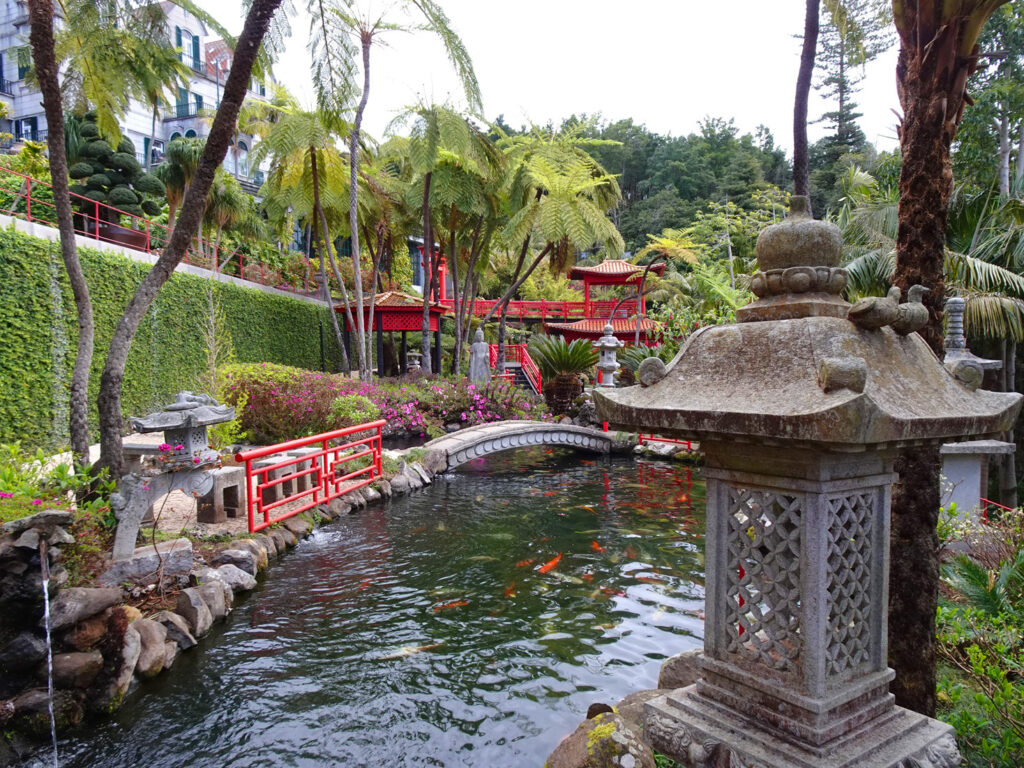
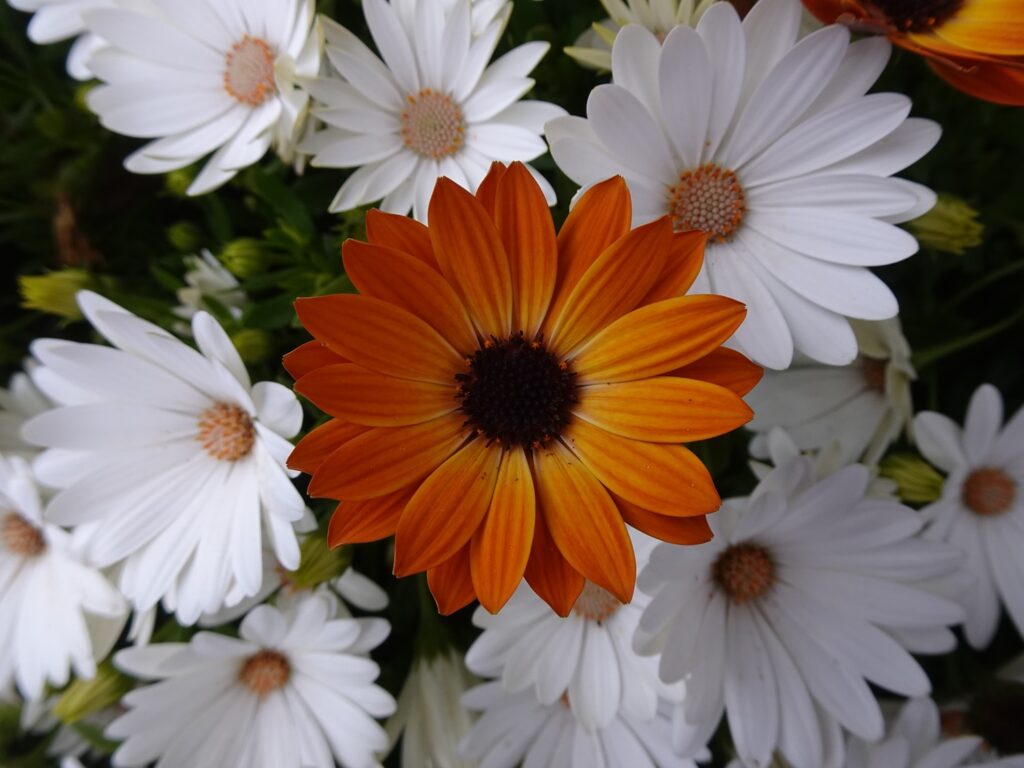
The gardens were opened in 1987 in the grounds of an old hotel. They’re huge and I highly recommend scheduling a few hours to be able to properly enjoy the place. We spent almost four hours here, exploring the different themed sections.
There’s a Chinese and a Japanese garden complete with koi carp, an orchid nursery, a large open air gallery of tile mosaics describing Portugal’s history and a small forest section, which recreates Madeira’s typical laurisilva vegetation.
Near the entrance of the garden, there’s also a museum building with a modern art exhibition and a big display of minerals in the basement. If you need a snack break, there are three cafés scattered over the grounds.
The entrance fee is pretty hefty at 18€, but considering how much there is to see, I’d say it’s still worth it. It has different opening times, depending on the season. You can check them here.
Monte Toboggan Ride
Outside the north-western corner of the gardens near the Church of Our Lady of the Mount (which holds the tomb of Karl I., the final Habsburg emperor of Austria) is the starting point for Madeira’s most unique mode of transportation, the Monte Toboggan Rides.
This dates back to the 19th century, when locals used wicker sledges as a quick way to travel downhill into the city. Today, this is probably the most touristy thing you can do in Funchal (and maybe on all of Madeira) and we were even thinking of skipping it, but we were glad we didn’t.
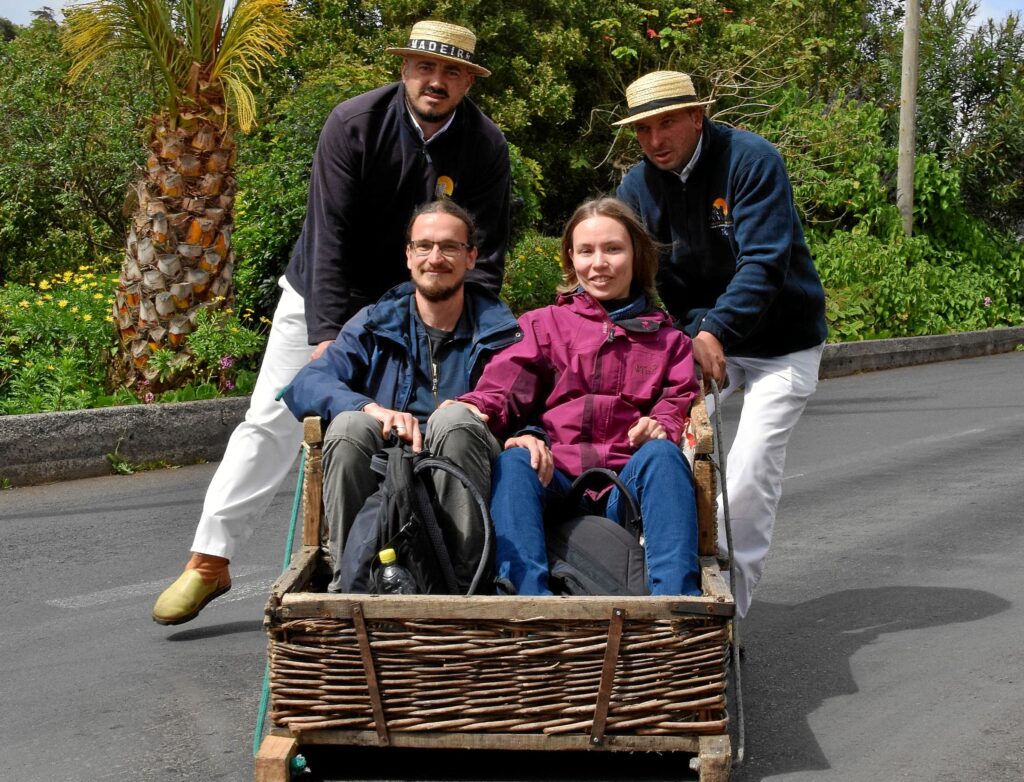
Yeah, it’s a bit cheesy and again quite expensive (35€ for two people), but I doubt we’ll come across something similar anywhere else on Earth, plus we just found the surprisingly fast ride to be a fun experience.
You can check the operating times here. The ride ends at the intersection of Caminho do Monte and Estrada do Livramento. There’s a bunch of taxis waiting there to drive people back up the hill, but they are notorious for overcharging. We decided to walk down the hill and into the centre instead.
In any case, I recommend making your way to the area around Rua de Santa Maria in central Funchal to end your trip to the island at one of the many restaurants in this neighbourhood. We really liked Taberna Madeira in Tv. João Caetano, but there’s tons of options around.
Madeira Itinerary Map
You can find all the places and hikes that I’ve described above on this map of Madeira. I’ve used different colours for different days of the itinerary.