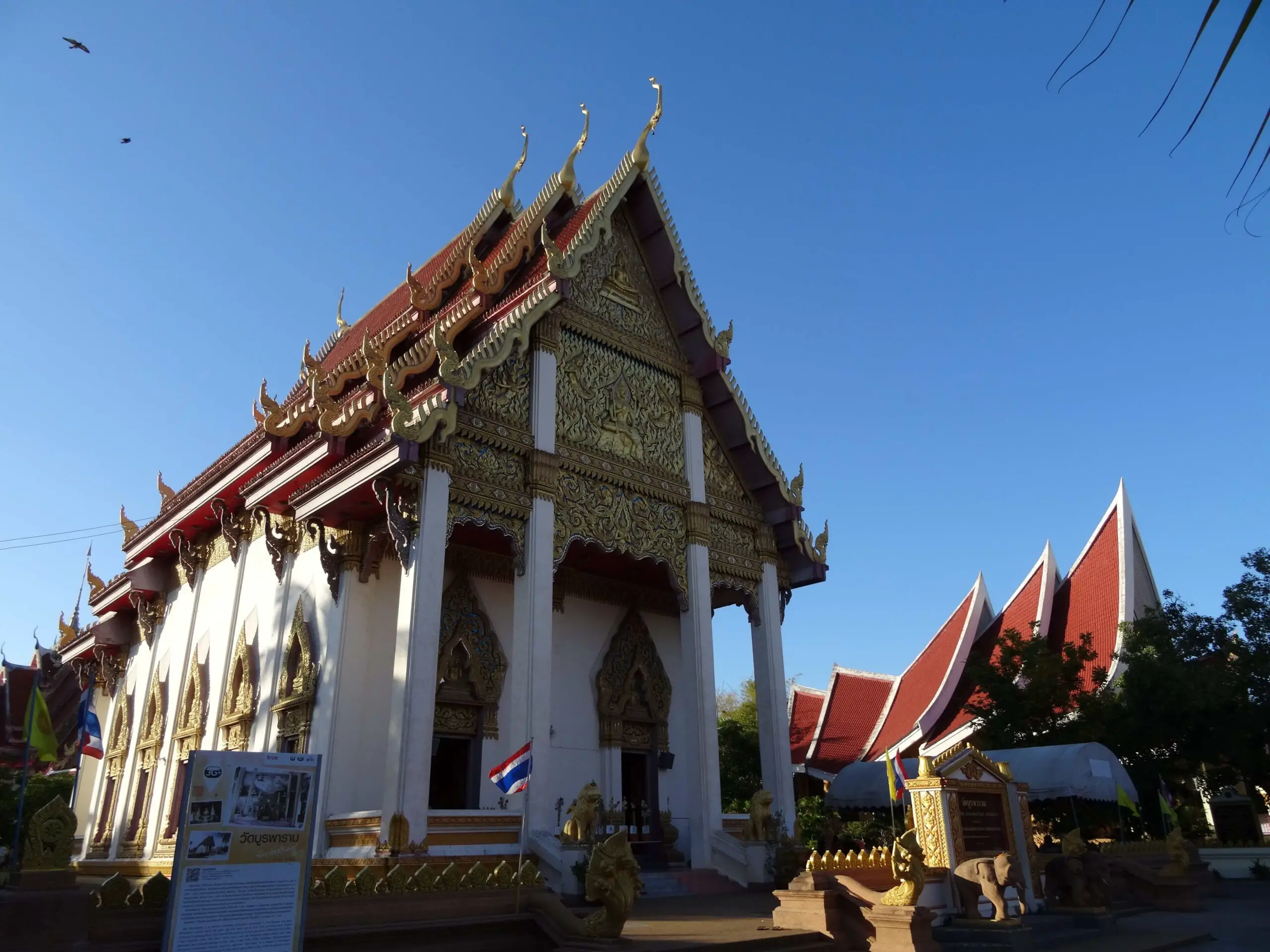
Surin is a small town in the southern part of Thailand’s Isan region. It seems to be most famous for its yearly Elephant Festival, which takes place every November, but if that isn’t your thing, there are plenty of other things to do if you’re looking for some cool experiences off the tourist trail.
With its cool Khmer Ruins, pretty temples and interesting museums it made for a nice short stopover on my way between the bigger cities of Nakhon Ratchasima and Ubon Ratchathani. Here’s everything you need to know about visiting Surin.

This post may contain affiliate links, and I might earn a small commission at no additional cost to you. For more info, click here.
The Best Things to Do in Surin, Thailand
Surin and the surrounding area used to be part of the Khmer Empire’s sphere of influence between the 7th and 13th century, and there are several temple ruins from that time scattered around the area.
Apart from that, the town is associated with the Kuy people and their long tradition of keeping and training elephants, which has become an important part of the local culture. There are statues and paintings of elephants everywhere, and of course there’s the big yearly Elephant Round-up.
.
Best Places to Stay in Surin
Budget: SKT Knight Hotel
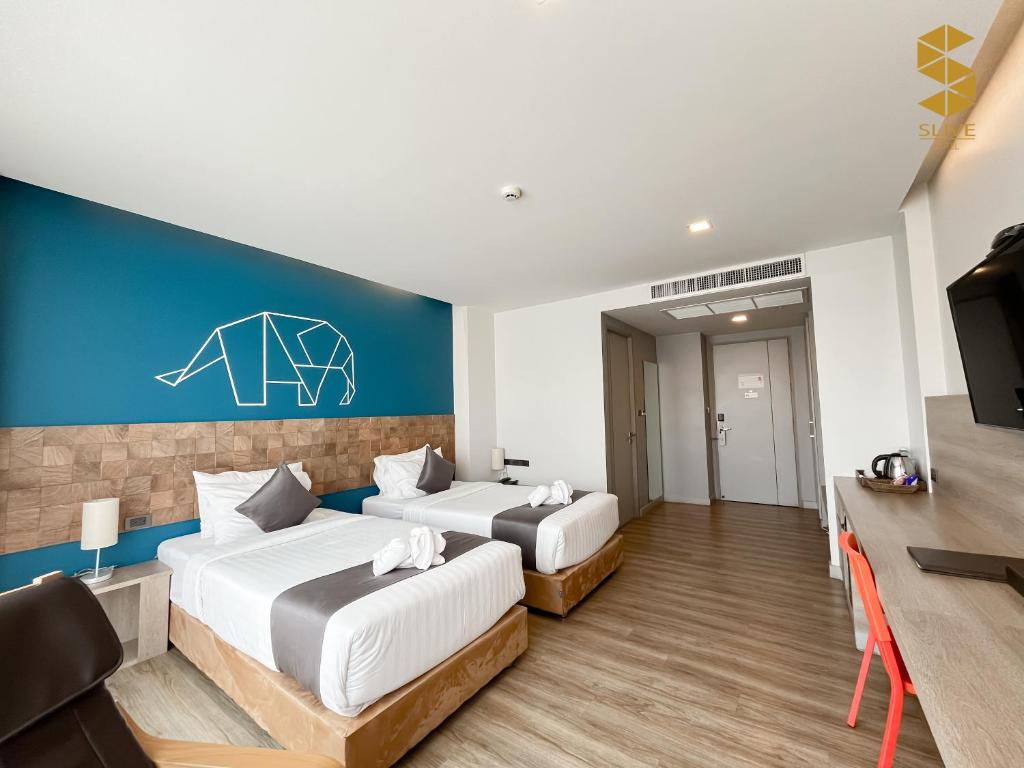
Midrange: Slive Hotel (pictured)
Luxury: Tenki Poolvilla Surin
.
Surin National Museum
This is Surin’s biggest museum, and it has some interesting displays on the region’s history and culture. Unsurprisingly, my favourites were the impressive archaeological exhibits, especially the architectural pieces, statues and jewellery from the region’s Khmer temples.
Something else that I found interesting were the displays on the long-running interaction between humans and elephants in the province.
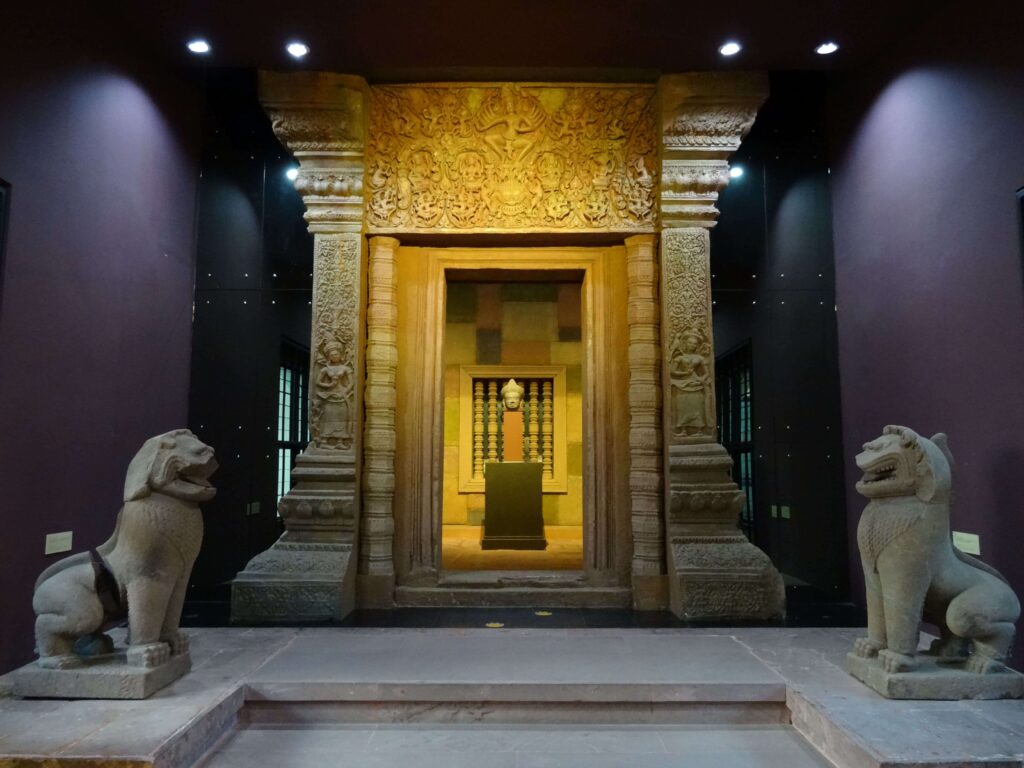
The downside is that the museum is located pretty inconveniently, about 4km (2.5mi) south of town along Route 214. To get there, I caught a songthaew (shared taxi) from the bus station and walked back. Alternatively, you can also hire a motorcycle taxi.
The museum is open from Wednesday to Sunday from 9am to 4pm (double-check the current times here) and the entrance fee is ฿100.
San Lak Meuang (City Pillar Shrine)
Almost every Thai city has its city pillar shrine, but the one in Surin had the most unusual architectural style of all the ones I came across.
The shrine imitates the architecture of ancient Khmer temples, and has an intricate tower that is modelled on the central prang (temple tower) of nearby Phanom Rung temple.
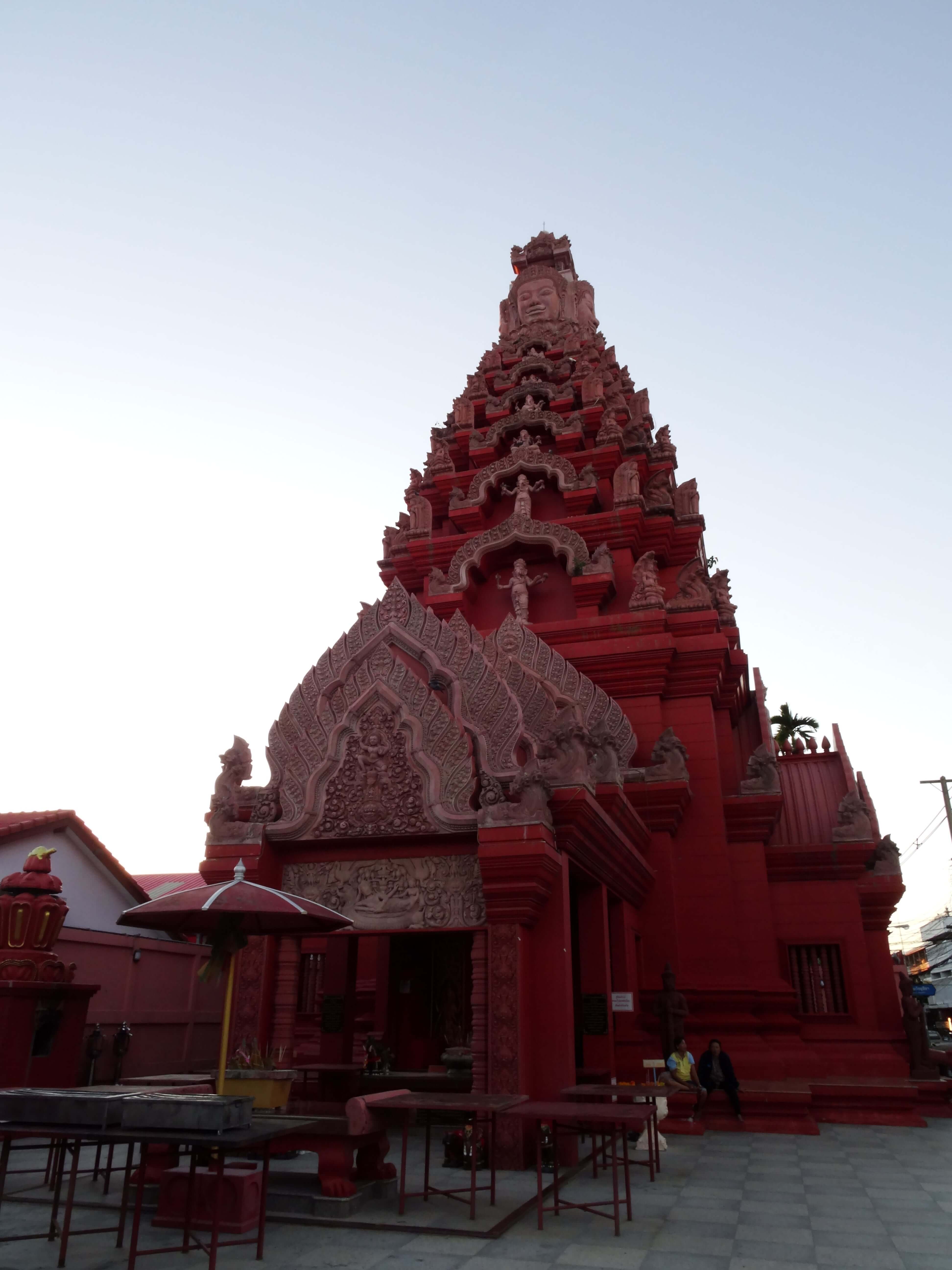
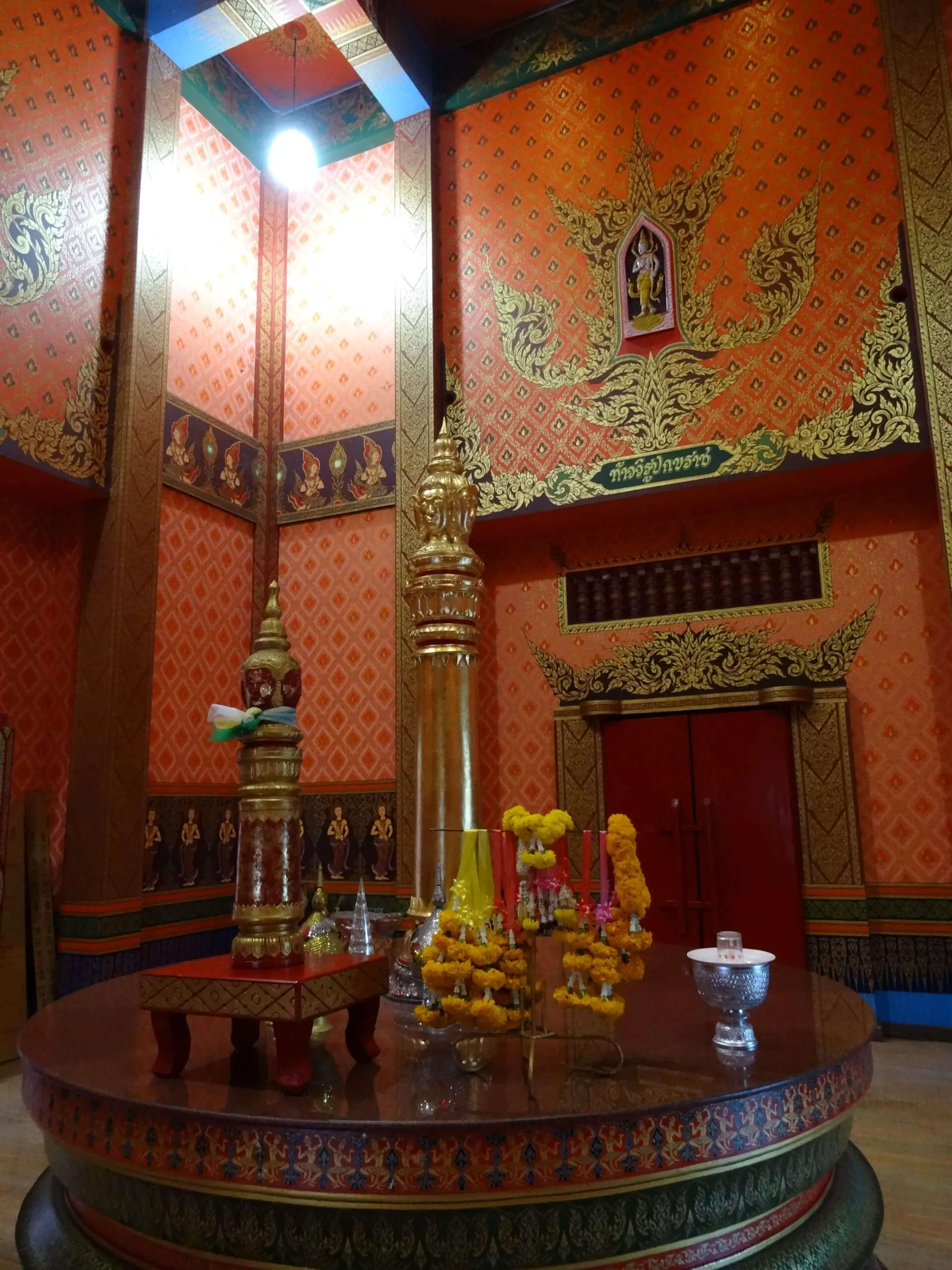
The inside is also elaborately decorated, and the walls are painted in a pretty tapestry-like pattern. The shrine can be found along Thanon Krungsri Nork, which is the main east-west road running through the city centre. There’s no entrance fee.
Phaya Surin Monument
This monument sits on a roundabout at the southern edge of town. Phaya Surin was the founder and first mayor of Surin, and his statue is framed by two huge stylized elephant tusks. Across the road I also spotted a group of weathered-looking statues of elephants and mahouts.
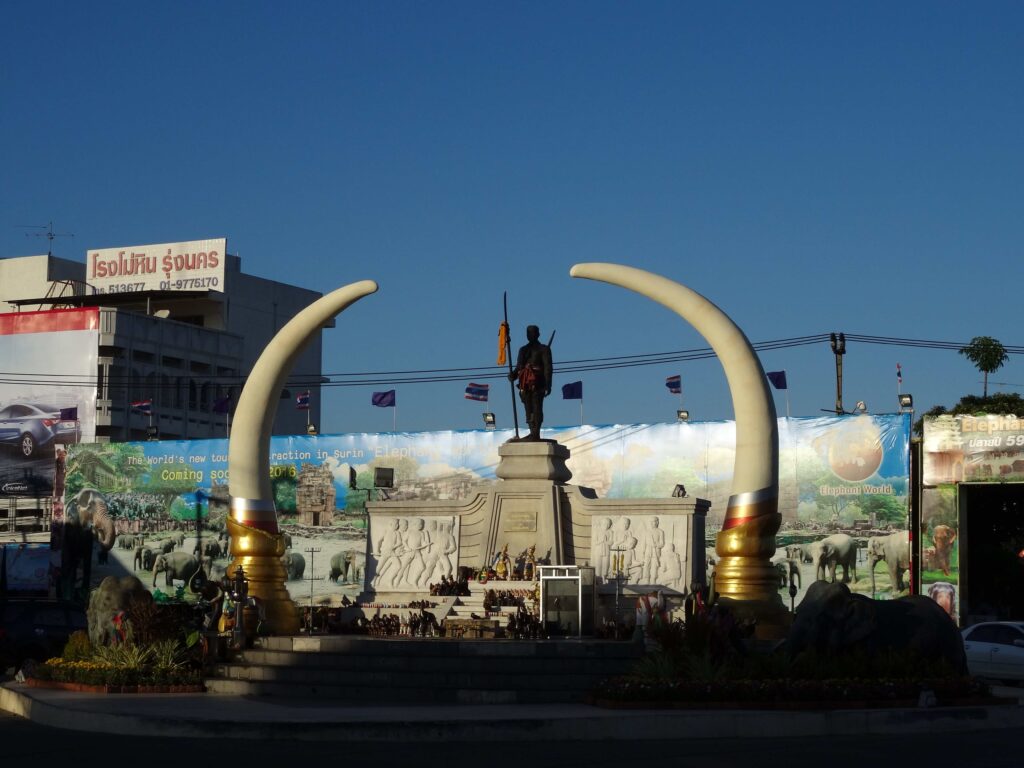
So, once again, the monuments show the historical importance of elephants in the city and region. Apart from that, I came across some pretty sections of the old city moat directly to the east and a bit to the northwest of the monument.
Wat Burapharam
This pretty temple has an ornate roof and some colourful murals that show scenes from Buddhist mythology. There’s also a golden chedi (stupa) and some stone statues of Buddhist monks, who used to call the temple their home.
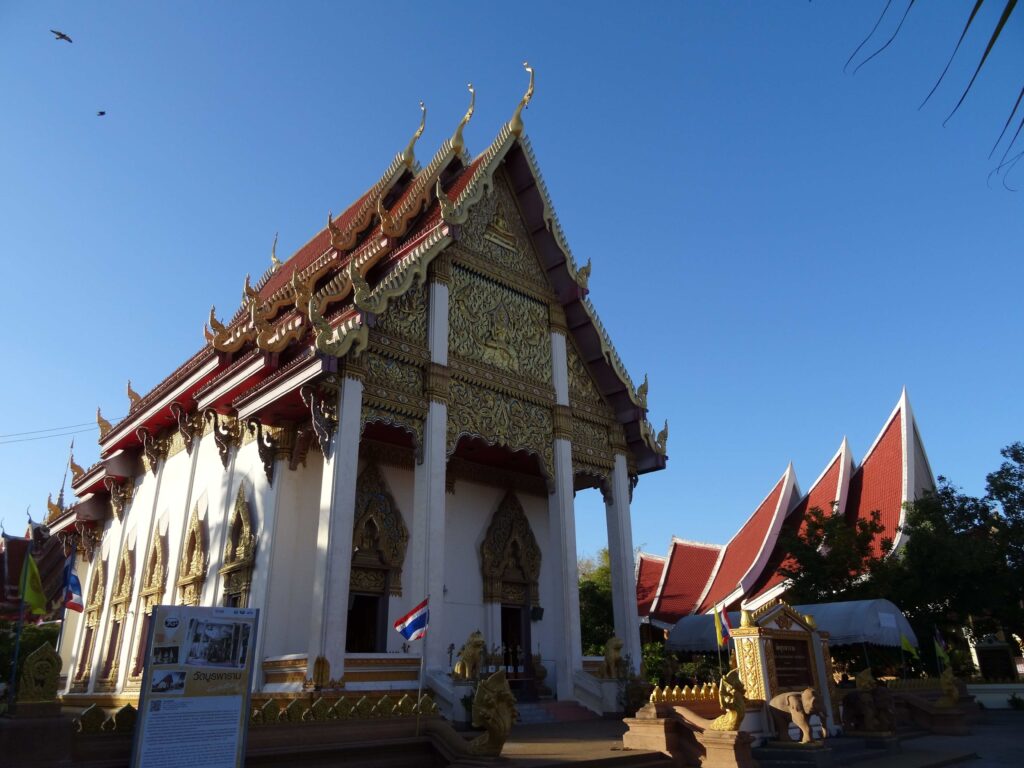
Otherwise, I thought that it looked quite similar to many other temples in the region. It’s located a few hundred metres east of the city pillar shrine and there’s no entrance fee.
Prasat Sikhoraphum
About 30km (20mi) east of Surin is Prasat Sikhoraphum, which is the well-preserved ruin of a small Khmer temple from the 12th century.
There are five tall brick prangs (temple towers) that stand on a platform surrounded by a moat, but the most impressive part to me was the detailed carved lintel that shows a dancing Shiva. The god is surrounded by lots of smaller figures and some intricate ornamental decorations.
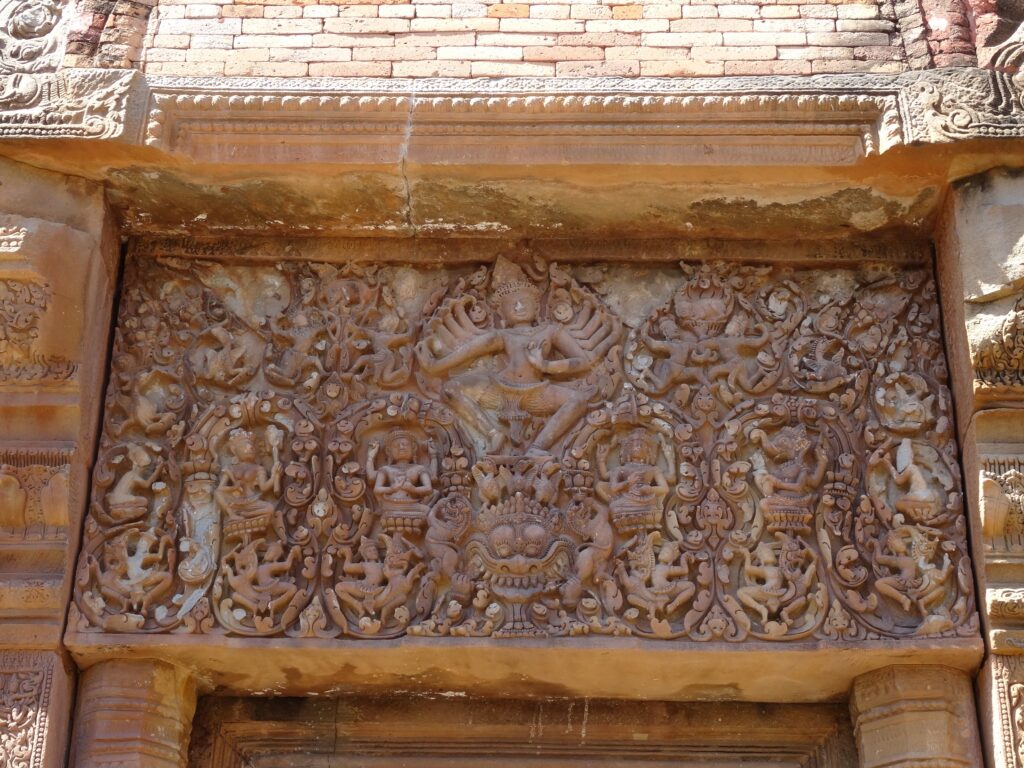
It’s open daily from 7.30am to 6pm and I paid ฿50. To get to Sikhoraphum you can take the train from Surin, but the schedule is rather infrequent, so to return or continue, you might have to switch to a minibus.
I went to Sikhoraphum by train, checked out the ruin and continued to Muang Thi by minibus, from where I returned to Surin by train.
Prasat Muang Thi
This is another Khmer ruin, but it’s smaller and in a worse condition than Prasat Sikhoraphum. I found it interesting, but as an archaeologist, I might be a bit biased. In general, I’d recommend it only if you’re seriously into Khmer architecture or want to see a genuine slice of rural Thailand.
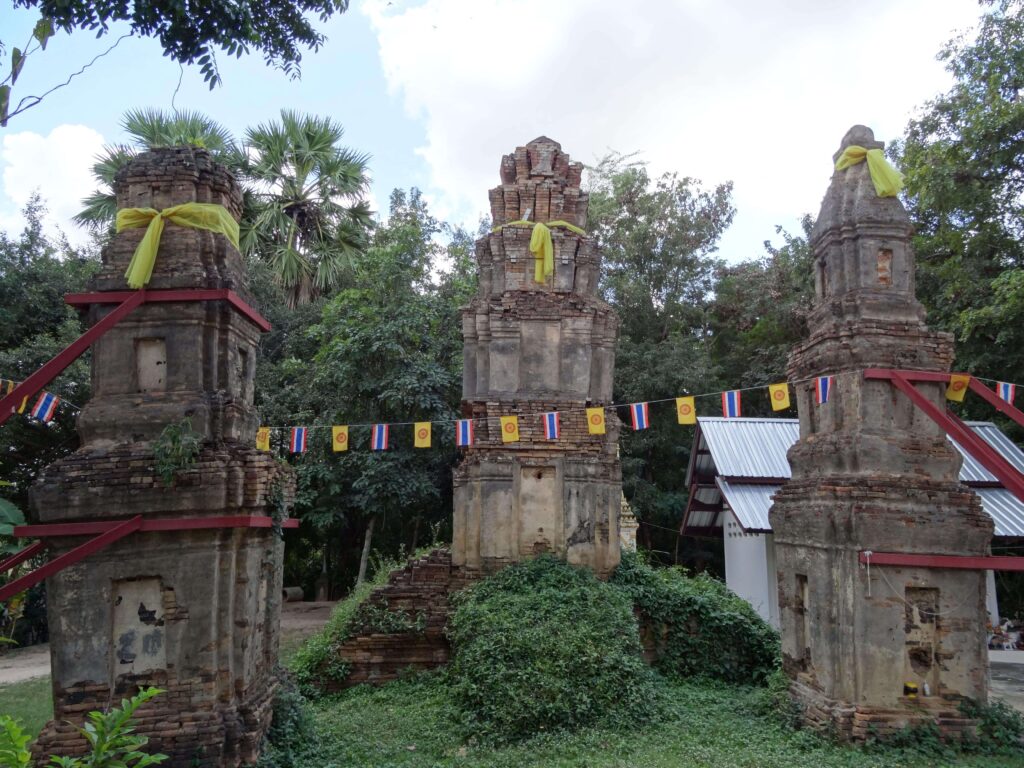
The ruins consist of three small prangs on the grounds of a modern temple, which are atmospherically overgrown and mostly held together by metal casings.
Muang Thi is about halfway between Surin and Sikhoraphum off Route 226 and you can get there by minibus or (infrequent) train from both places.
Should You Visit the Surin Elephant Round-Up?
Honestly, Surin’s Elephant Festival left a bit of a bad taste in my mouth. When I visited the city a few years back, the festival was taking place and I expected something similar to the Monkey Banquet in Lopburi, where the animals are the centre of attention, but aren’t expected to perform for the visitors in any way.
Sure, there is the elephant dinner, but the majority of the festival turned out to be more of a circus-like display with elephants performing tricks, taking part in historical reenactments and the like, which I didn’t care for.
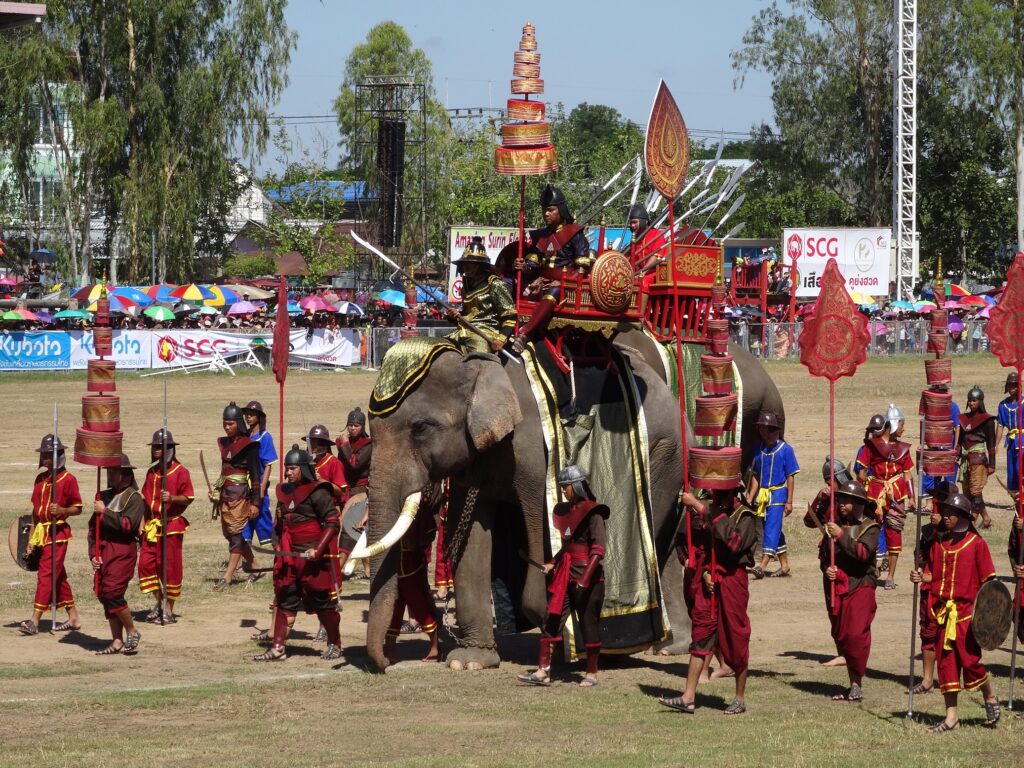
I didn’t witness any mistreatment and the elephants that I saw didn’t seem stressed out, but I’m not a fan of these kinds of performances and I think it’s safe to say that the elephants would be happier if they didn’t have to perform these kinds of tricks.
That said, I found the parts of the festival that didn’t involve elephants (like some impressive sword-fighting displays during the battle reenactments) quite interesting and people said that the proceeds of the festival go to conservation efforts, but I’m not sure how much actually arrives there.
If you’re an animal lover, skipping the festival and visiting an elephant shelter like the local Save Elephant Foundation probably would be the better way to go.
Map of Surin
You can find all of the places that I mentioned above in this map of Surin and the surrounding area.
Practicalities
How to Get to Surin
Surin is located about halfway between Nakhon Ratchasima (Khorat) to the west and Ubon Ratchathani to the east. There are frequent bus and minibus connections to both cities, and to many other places across the Isan and the rest of Thailand, including Bangkok and Chiang Mai.
Surin’s bus station is at the north-eastern end of town off Thanon Jitrbumrung.
Surin is also connected to the train line that runs from Ubon Ratchathani to Nakhon Ratchasima and onward to Bangkok. The train station can be found at the northern end of the city centre at the end of Thanon Thanasarn.
Where to Stay in Surin
There are plenty of budget hotels in Surin, like the top-notch SKT Knight Hotel, as well as some mid-range options, like Slive Hotel. You can have a look at the map below for some other options.
Where to Go Next
The Nang Rong Area, home to countless Khmer temples