After we saw the amount of cute canals and flowery embankments, we quickly realized why Treviso is also called the “Little Venice“. Sure, we didn’t see gondolas on its waterways, but there were also no hoards of tourists distracting us from the relaxed small-town atmosphere.
Treviso makes a good day-trip from Venice, but it’s also worth staying a bit longer. We some time in the city during our travels through the Veneto Region and realized there’s a lot to see. Here’s my guide to the best things to do in Treviso, Italy.
This post may contain affiliate links, and I might earn a small commission at no additional cost to you. For more info, click here.
The Best Things to Do in Treviso, Italy
Piazza dei Signori
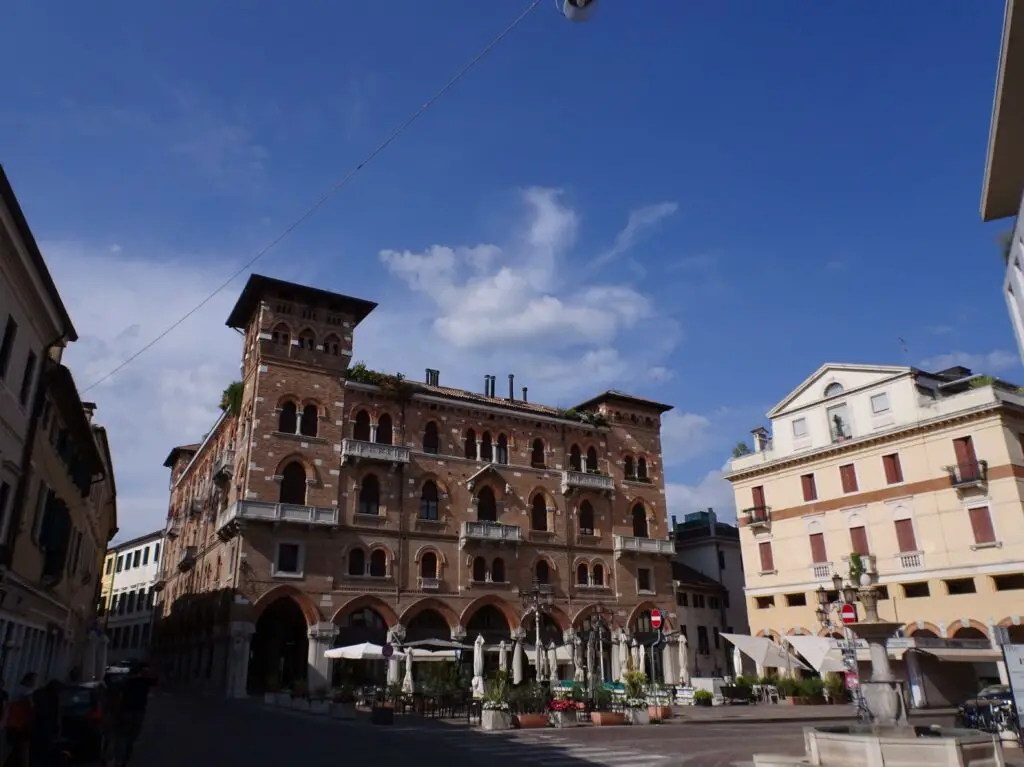
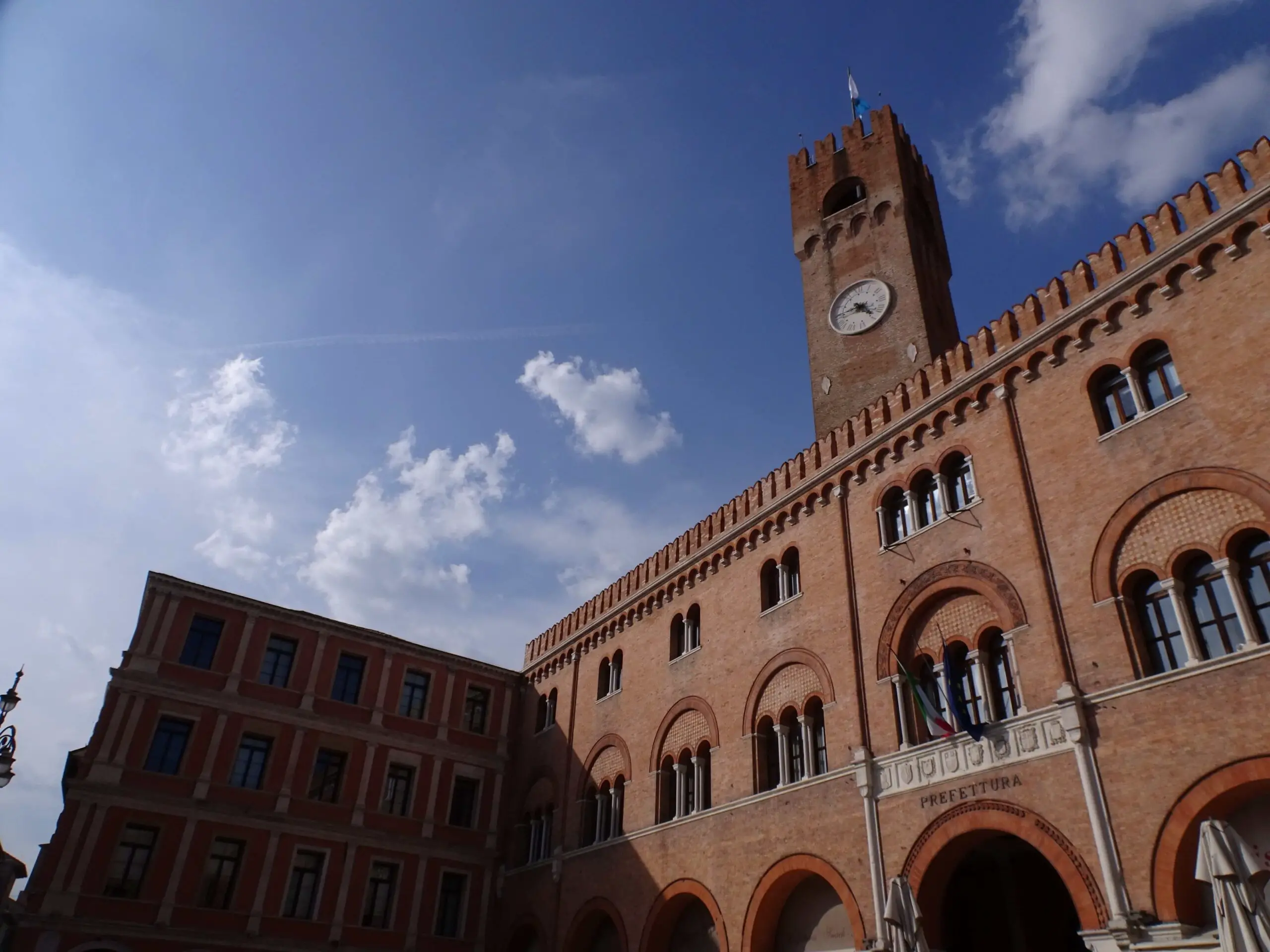
Treviso’s main square is surrounded by some impressive historic buildings, including the medieval Palazzo dei Trecento, which is home to the city’s municipal council and the Palazzo del Podestà, which used to be the seat of the local lord.
The nearby Loggia dei Cavalieri, which dates to the 13th century, was used as a public meeting place and still seems to be, judging by the groups teens we saw hanging around everytime we passed by. The allegorical Teresona statue in front of the Loggia was built to commemorate the Italian Unification in the 1870s.
We also liked the streets and alleyways surrounding the Piazza dei Signori, which are full of more beautiful historical buildings, including the Chiesa di Santa Lucia Church and the impressive neo-romanic Palazzo San Vito, both of which lie to the north of the square.
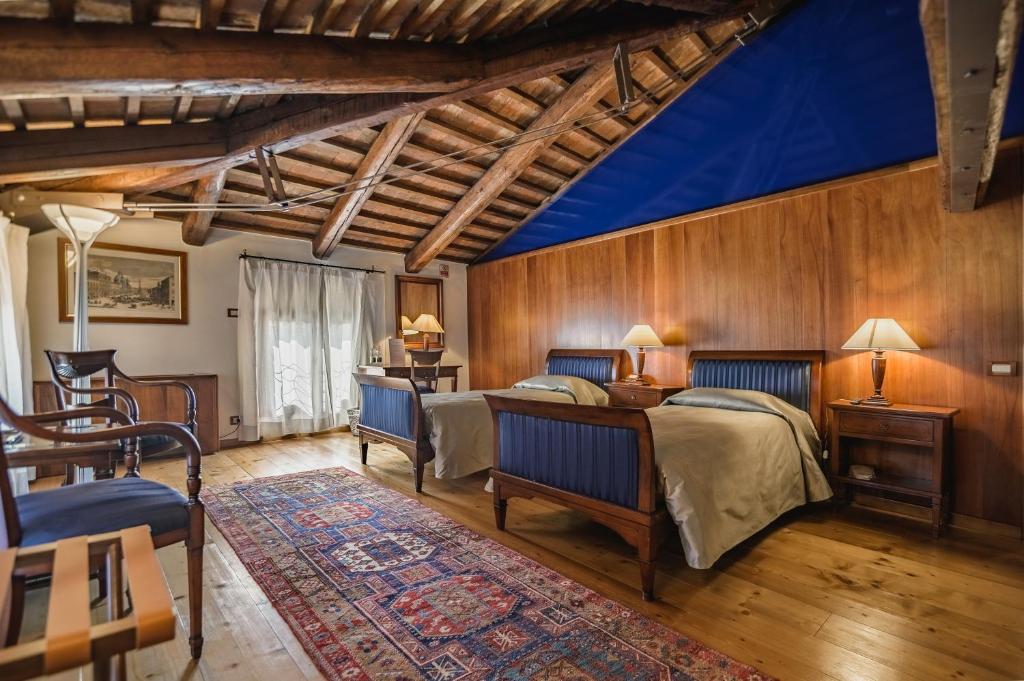
Treviso Hotel Tips
Budget: Dalla Manu
Midrange: Palazzina300
Luxury: Camere Palazzo Bortolan (pictured)
.
Isolotto della Pescheria
Isolotto della Pescheria is Treviso’s historic fish market, and it sits picturesquely on a small island in the Cagnan Grande canal. The market was moved here from the Piazza dei Signori in the 19th century, when the city square was rebuilt and people apparently wanted to get rid of the fish-smell for that (no idea why).
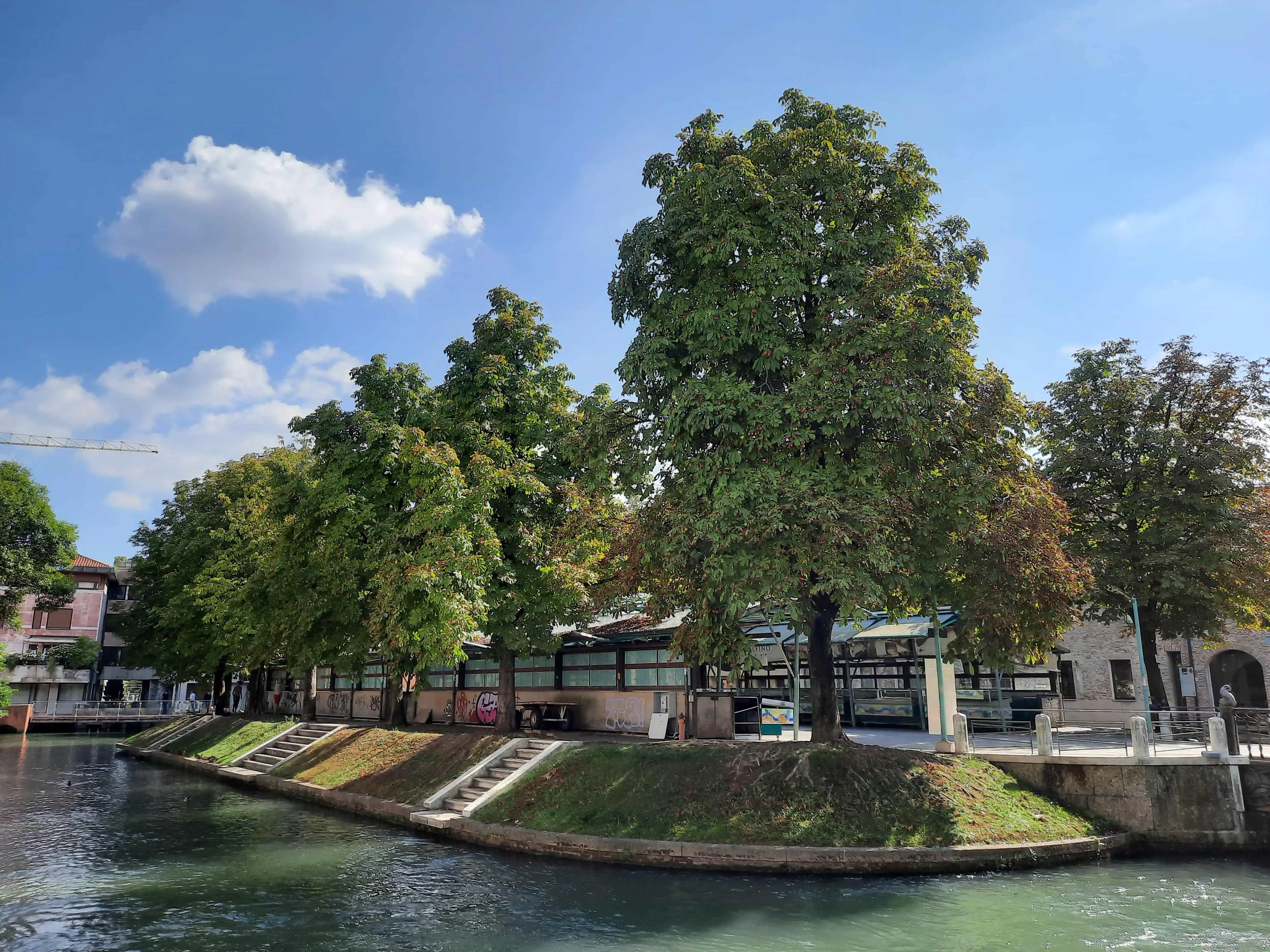
To create the island, three separate islets were merged into a single one and two covered halls were built to hold the market stalls. The market is still in use and if you want to see it in action, you’ll have to come in the morning.
In the afternoon we found it to be a nice, quiet spot to watch the river go by (although there are other places in the city with a less pervading smell of fish to do that;)
Treviso Cathedral
Because of its neoclassical entrance, Treviso’s main cathedral looks more like a Greek temple than an 18th century Catholic church.
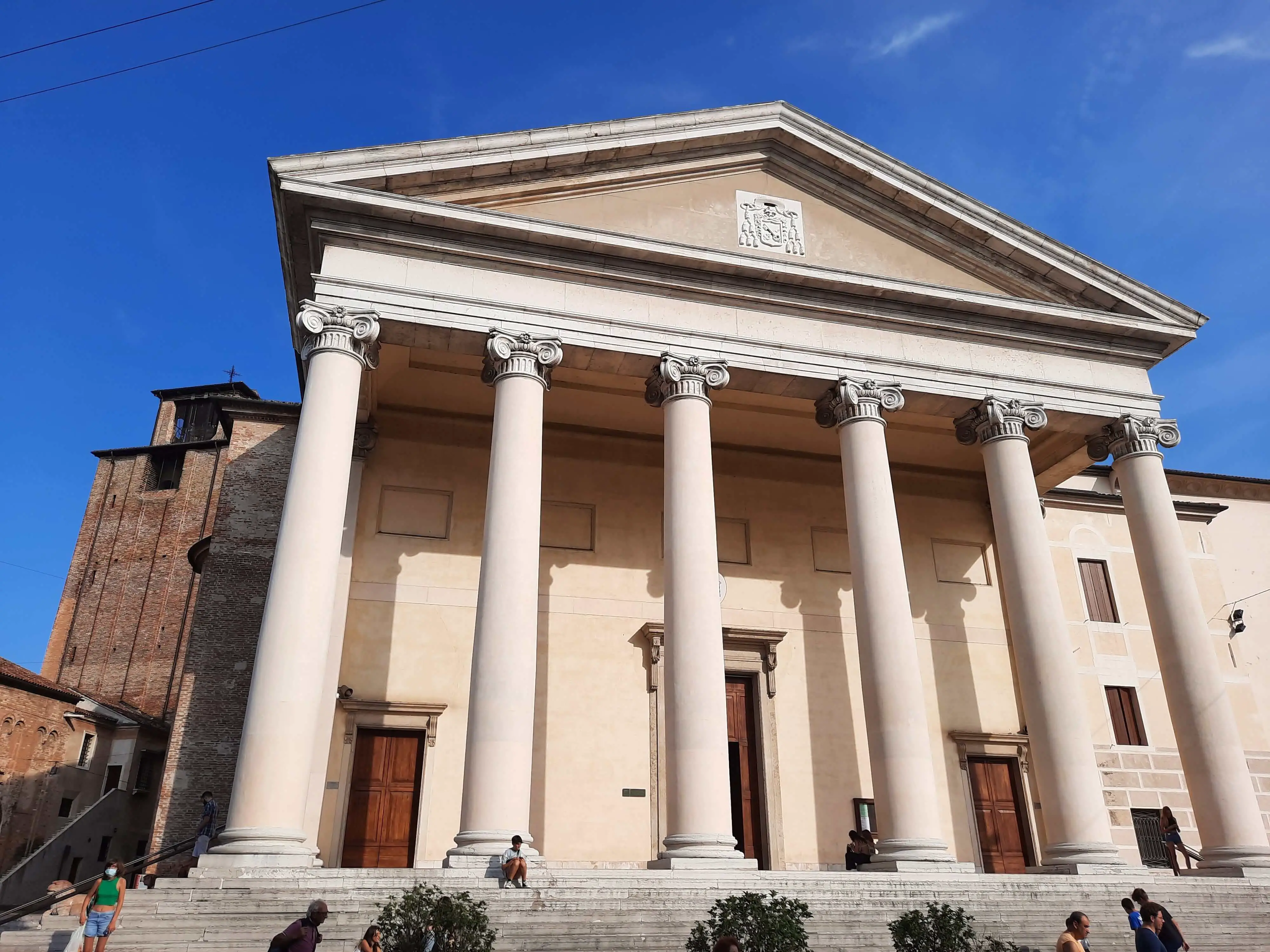
Inside, we spotted paintings by Tizian and Pordenone, but our favourite part of our visit to the was the descent into the Cathedral’s gloomy, atmospheric crypt below the nave.
Take a Stroll Along the Small Canals
Treviso’s historical centre is criss-crossed by loads of pretty canals, and while we were exploring the city, we had to constantly stop to take in another great view that suddenly opened up.
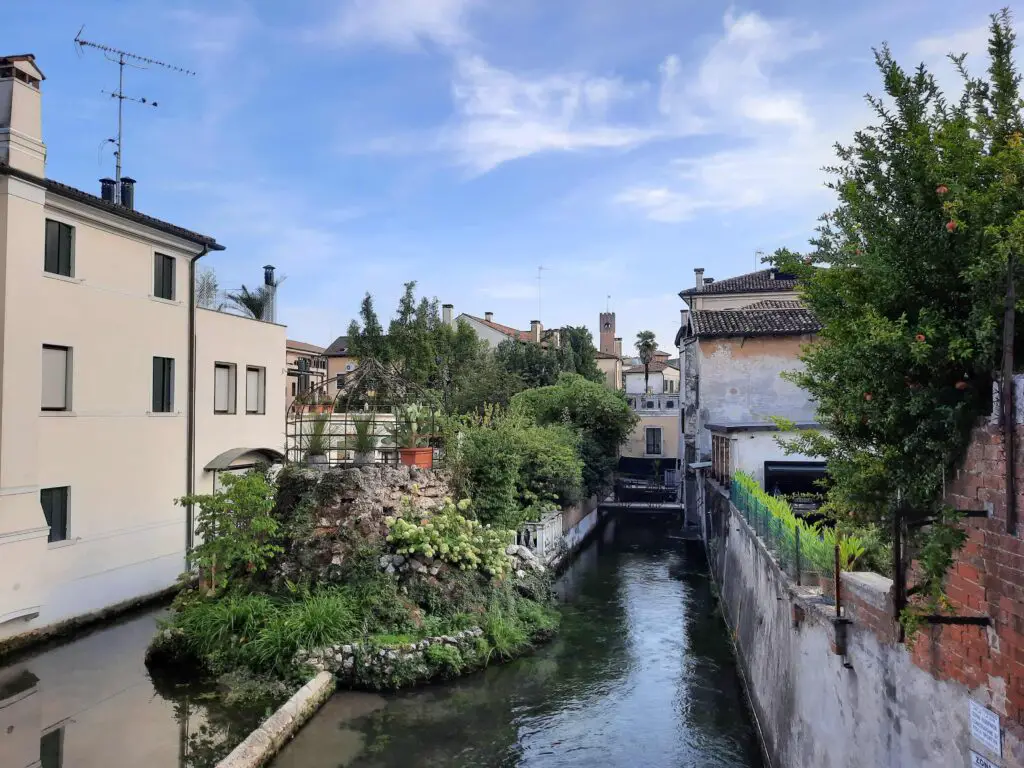
The biggest canal is the Cagnan Grande, which flows roughly from North to South in the eastern half of the city centre, but personally I preferred the smaller canals, like the cute Canale Buranelli which has weeping willows growing along its banks or the pretty Cagnan della Roggia in the western half of the old town.
Fontana delle Tette
Treviso’s Fontana delle Tette (literally “Breast Fountain”) is one of the city’s symbols (at least judging by the number of postcards and souvenir fridge magnets we saw it on), and it rivals Brussels Maneken Pis as one of the most bizarre fountains I’ve laid eyes on, .
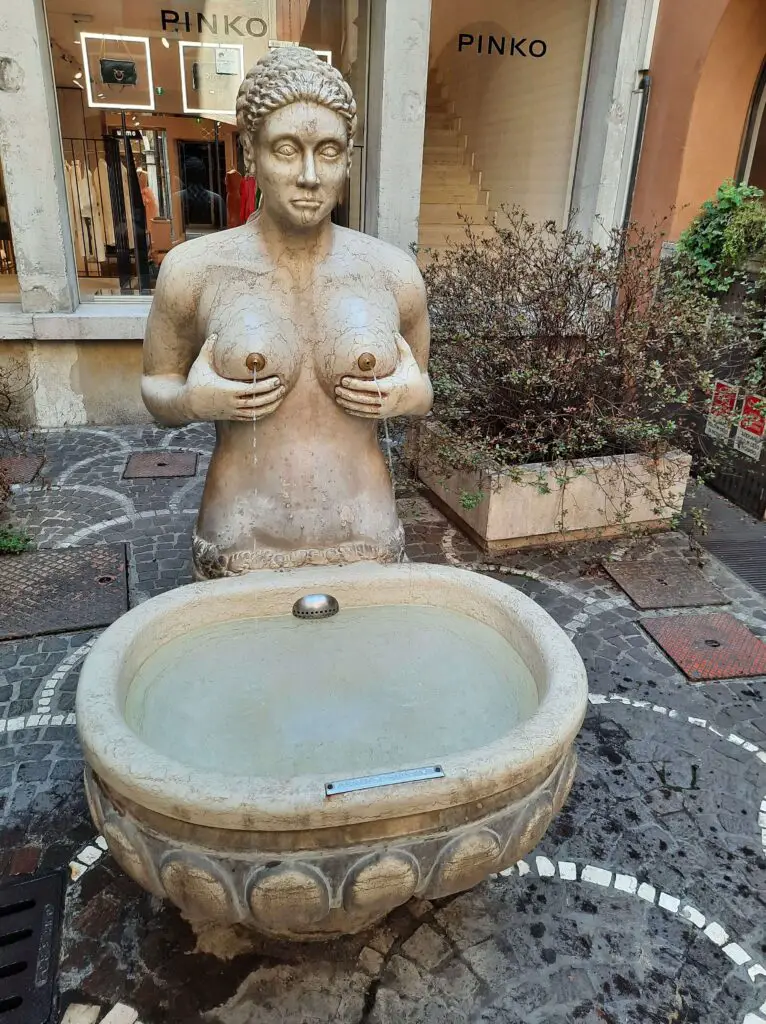
The fountain was originally constructed in the 16th century, and apparently used to sprout free wine for three days in celebration of the yearly selection of the town’s highest official. The remains of the original statue sits in a glass display near the Piazza dei Signori, but a reconstruction from the 1980s stands in a small courtyard off Calmaggiore Street.
Frankly, I found the tittering schoolchildren and indignant-looking elderly ladies surrounding the fountain somewhat more diverting than the statue itself.
Walk Along the Medieval City Walls
Some sections of Treviso’s former city wall are still standing, and as they are surrounded by a pretty moat, we thought they made for a great walk.
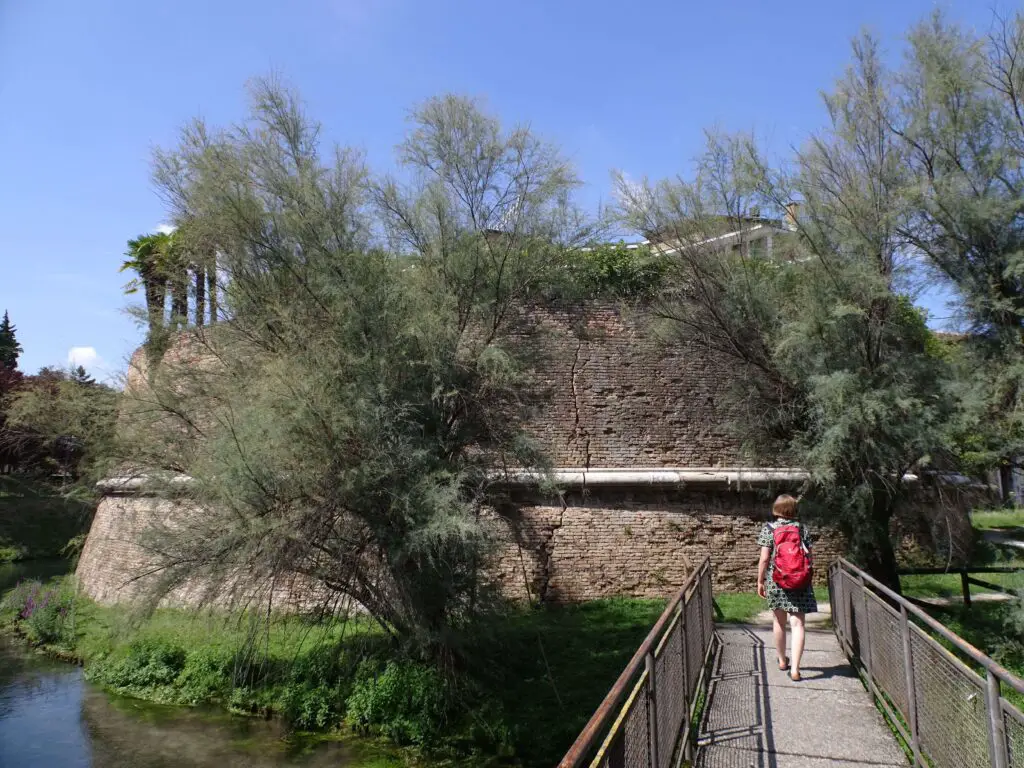
The remains of several bastions sit along the walls, and a few well-preserved gates are also still around, like the 16th century Porta Altinia near the train station.
Shop for Local Specialties
The Veneto Region has loads of local food specialities, and Treviso is a great place to fill up your backpack or suitcase with enough staples to last you until your next trip.
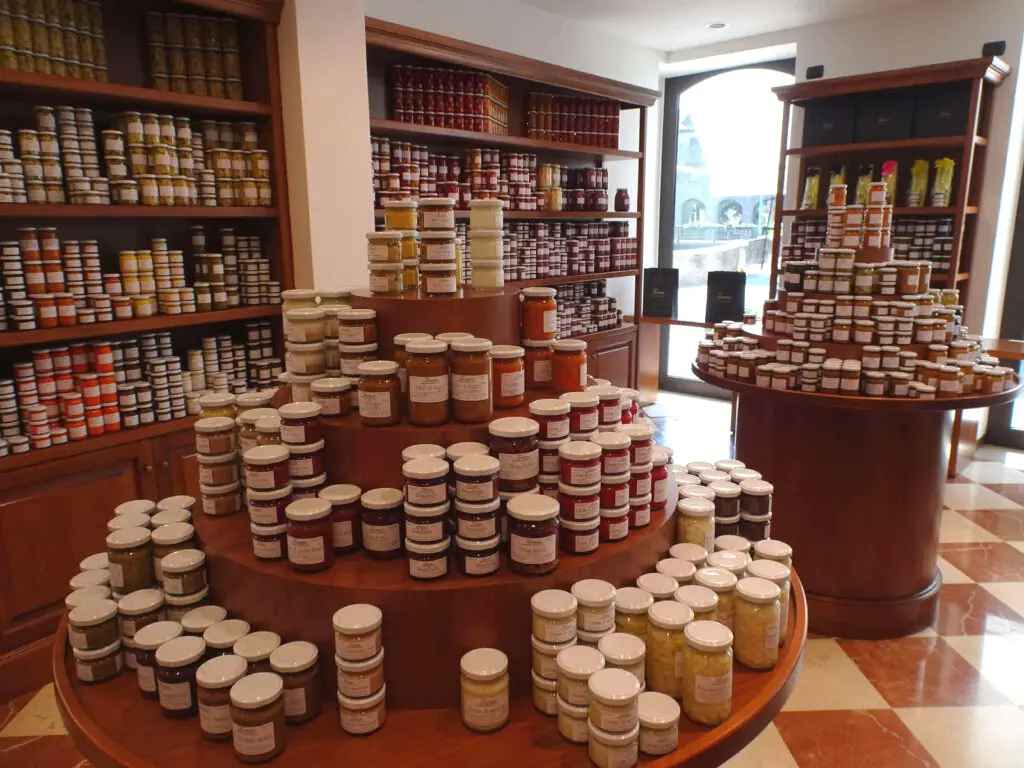
While we were exploring the centre, we stumbled across Fermi near the Fish Market, which is a fantastic store selling jams, pickled vegetables, pasta and herbs. Even if there’s no extra space in your luggage, you’ll you can just buy small snack to eat by river like we did.
Have Dinner with a View on one of the Canals
As you might expect, with so many picturesque spots, there are plenty of pretty outdoor cafés and restaurants with awesome views along Treviso’s Canals.
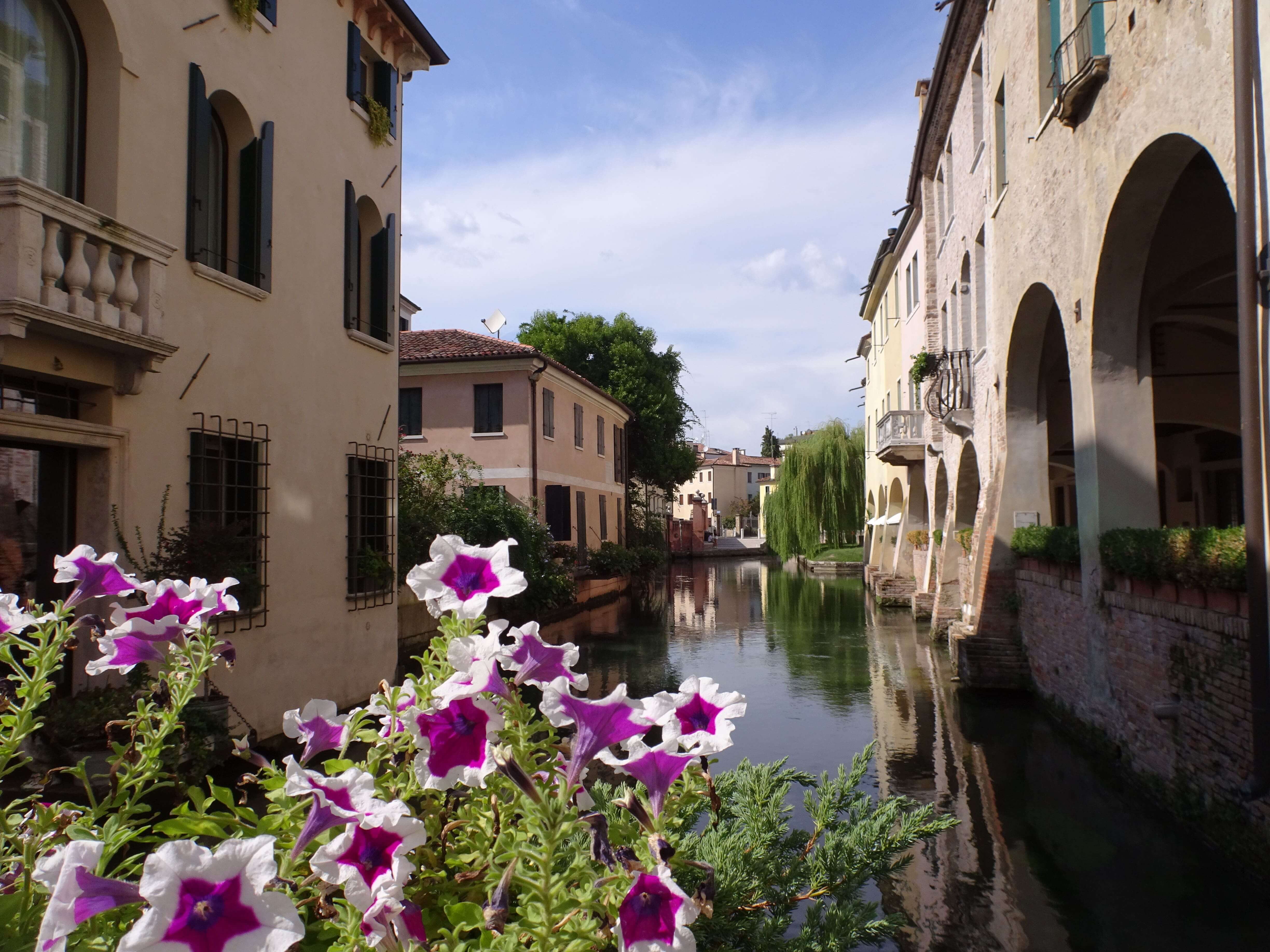
We really liked Malvasia Café on the Canale Buranelli, where we had aur dinner while watching small fish darting through the canal and counting the forks dropped into the water by years worth of clumsy customers.
Visit the Unique Boat Cemetery
If you’re like us a fan of unusual sights, you should drop by the Cimitero delle Barche a few kilometres east of Treviso. Lying in the protected natural area of the Sile River Natural Park are the remains of several wooden boats that have been sunk here in the 1970s and 80s.
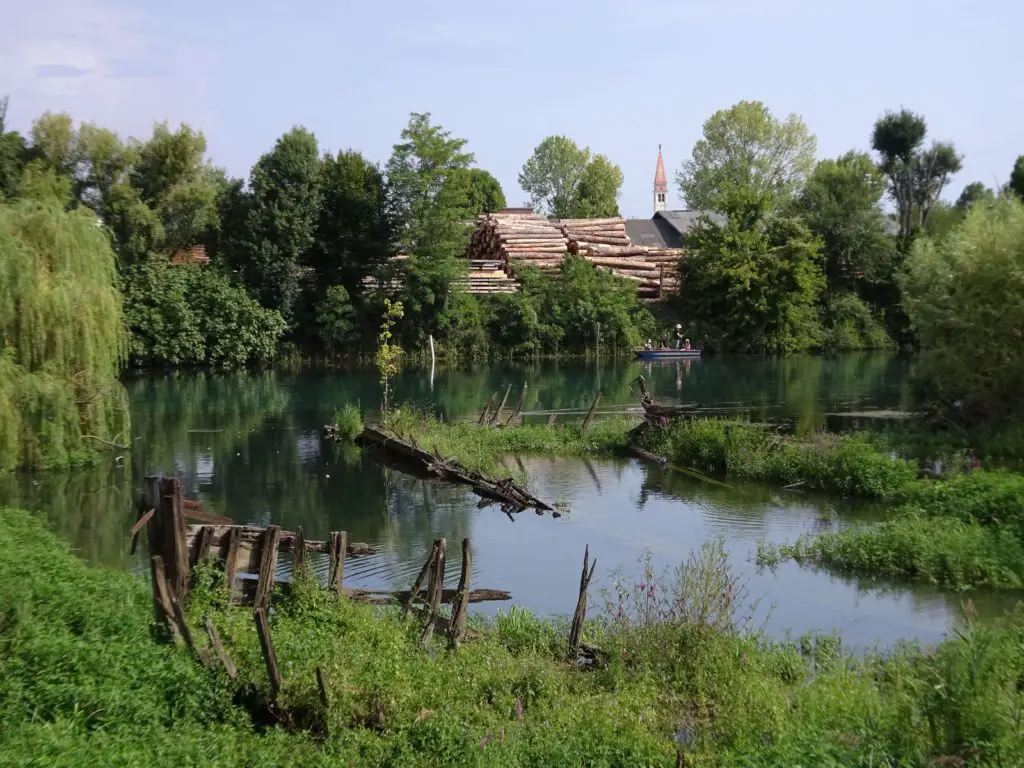
Left to decay, the boats have been bit by but reclaimed by nature and we thought they made for a surprisingly beautiful scene. They’re also used as a refuge to several waterfowl, like coots and cormorants. It’s a area spot to explore, and a it’s easy to combine a visit with a longer tour along the Sile River.
The boat cemetery is near the town of Casier, which is about 4km or 2.5mi. southeast of Treviso. If you don’t have your own car, the easiest way to reach it would be to take a bus from Treviso to Silea north of the River and then cross to the southern bank, where the boats are located.
Map of Treviso
This map of Treviso and the surrounding area includes most places mentioned above, as well as some places to stay at.
Practicalities
How to Get to Treviso
Treviso sits on the train line connecting Venice (about 40mins/4€) to Udine (about 1,5hours/12€). There are frequent connections to both cities. Other cities in the Veneto region, like Padua, Vicenza or Verona can be reached with a quick change of trains in Venice.
The Best Hotels in Treviso
We stayed at Dalla Manu, a great bed and breakfast-style accommodation in a private home close to the city centre. It’s a good budget choice, plus it’s run by a very friendly and helpful lady.
If you prefer a proper hotel, the mid-range Palazzina300 has great ratings, while the upscale Camere Palazzo Bortolan has beautiful rooms in a historic Palazzo. Both of these are located in the historical city centre. Have a look at the map above for more options.
Where to Go Next
Venice, arguably Italy’s most unqiue and romantic city
Padua, home to some beautiful 14th-century frescoes and the oldest Botanical Garden in the World