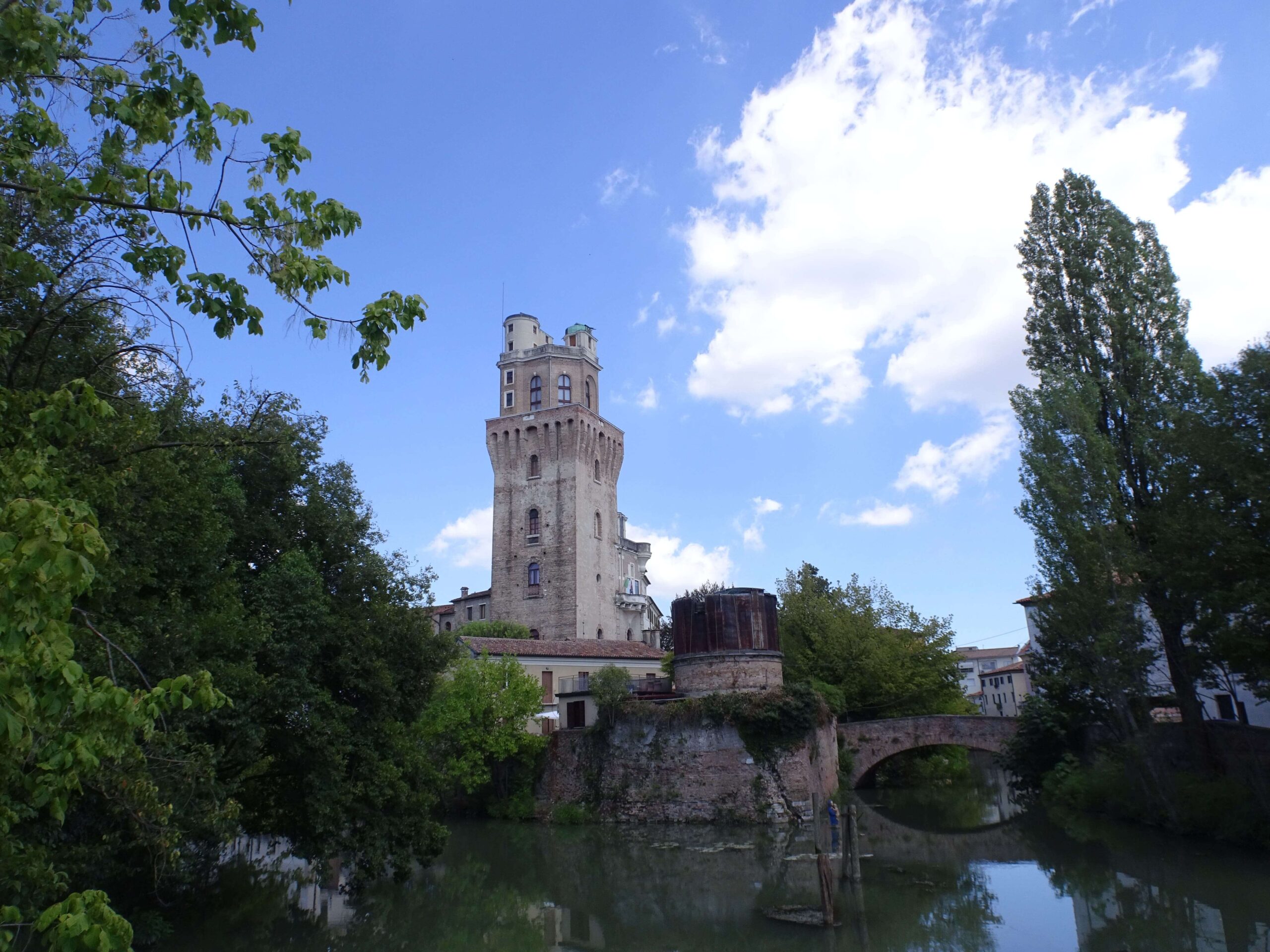
During our recent trip to northern Italy’s Veneto Region, we also stopped in the pretty university town of Padua, which lies about halfway between Verona and Venice. Compared with these cities, we met far fewer other tourists here, which made our stay even more enjoyable.
Besides some beautiful palazzos and churches, the city has some well-preserved 14th-century frescoes, Europe’s second-largest square and the oldest Botanical Garden in the world.
Apart from that, we also came across one of Christianity’s most important pilgrimage sites and the famous “Café without Doors”. We stayed in the city for a few days, but if you’re pressed for time, you can still see the absolute highlights in a day. Here’s my suggested One-Day Padua Itinerary.

This post may contain affiliate links, and I might earn a small commission at no additional cost to you. For more info, click here.





Guided Tours of Padua
If you’re short on time or want the company of a local guide while you’re exploring the city, there are lots of guided tours of Padua available. Have a look below for some of the best-rated options.
The Ultimate One-Day Padua Itinerary
Scrovegni Chapel
I recommend that you start your day with Padua’s most famous sight, the fresco-covered Scrovegni Chapel. The paintings in the private medieval chapel were created by the famous late Gothic artist Giotto di Bondone and show scenes from the lives of Jesus and Mary.
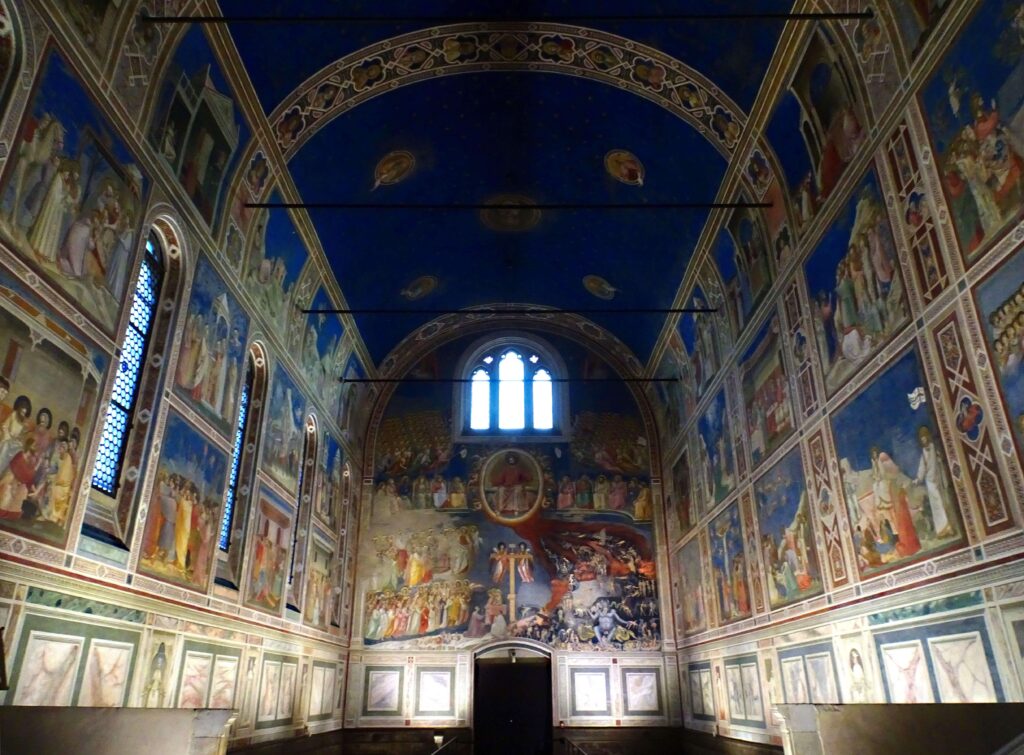
There are lots of dynamically painted scenes, which were stylistically well ahead of their time. My favourite was an impressive painting of the Last Judgement with graphic depictions of Hell that reminded me of the works of Hieronymous Bosch.
The entrance to the Scrovegni Chapel is with a timed ticket, so it’s a good idea to pre-book a slot, which you can do on their website. At the moment, the first slot is at 9am. You might also want to consider getting a combination ticket like the Urbs Picta card (see the practicalities section below) to safe some money.
You can check out my complete guide to Padua’s medieval fresco cycles here.
Padua Hotel Tips
Budget: Albergo Junior
Midrange: Residence Eremitani
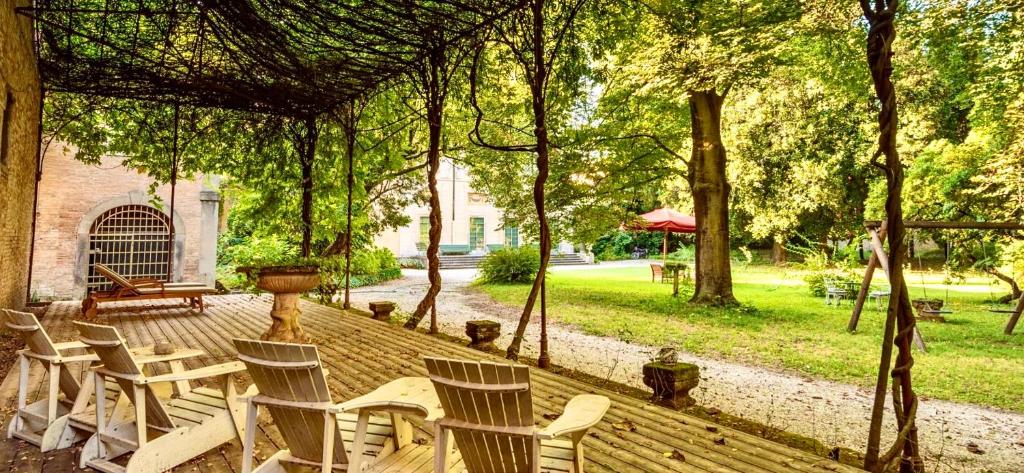
Luxury: Palazzo Mantua (pictured)
.
Eremitani Museum or Museum of Applied Arts
The ticket to the Scrovegni Chapel also includes free entrance to the Museo degli Eremitani and the Palazzo Zuckermann. We found both of them worth visiting, but they are rather big, so if you only have one day in Padua, I recommend picking one of the two.
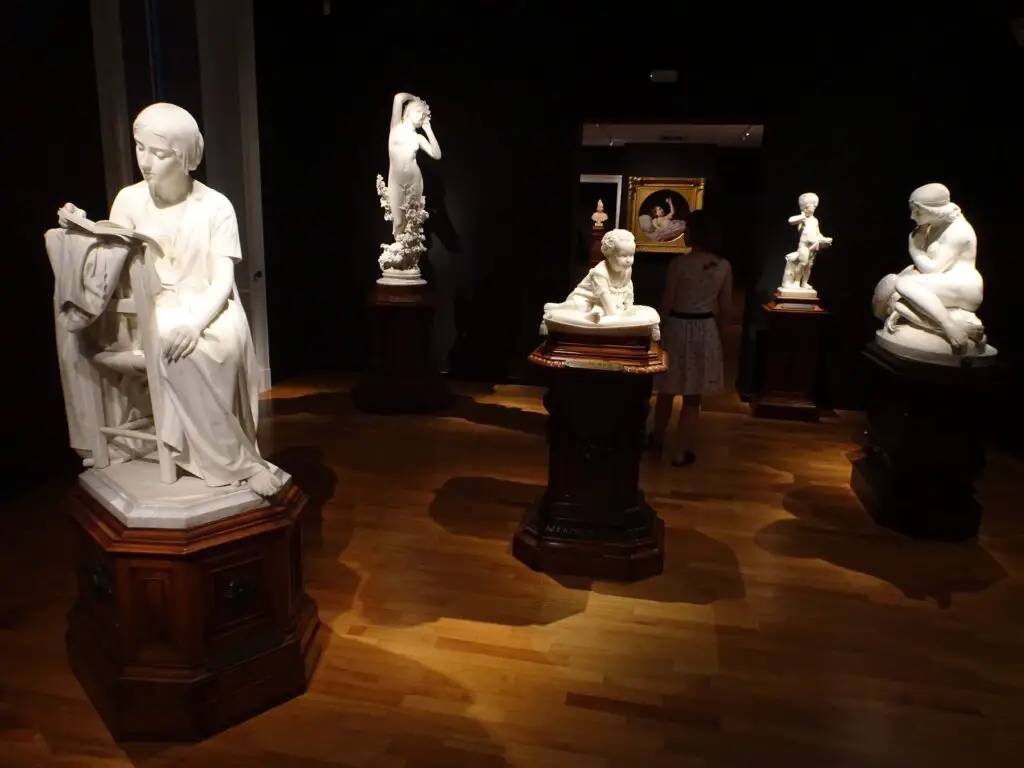
The Eremitani Museum is located right next to the chapel and has displays of both archaeological artefacts from the Etruscan and Roman eras and medieval artworks. You can have a look at the current opening times here.
The Museum of Applied Arts in the nearby Palazzo Zuckermann, on the other hand, has exhibits of historic furniture and objects of daily use from medieval times to late 19th century. You can check the opening times here.
I’d say just pick the one that sounds more interesting to you. I liked the Eremitani Museum a bit better but as an archaeologist, I might be a bit biased.
Lunch Break at Café Pedrocchi
Afterwards, it’s a good idea to stop for a late breakfast or early lunch at this Padua institution. Café Pedrocchi is also known as the “Café without doors” and has been the favourite haunt of local students and artists since it opened in the late 18th century.
The nickname refers to the fact that in the Green Room of the café, people were allowed to hang around and socialize without having to order anything, and the café even continues that tradition today.
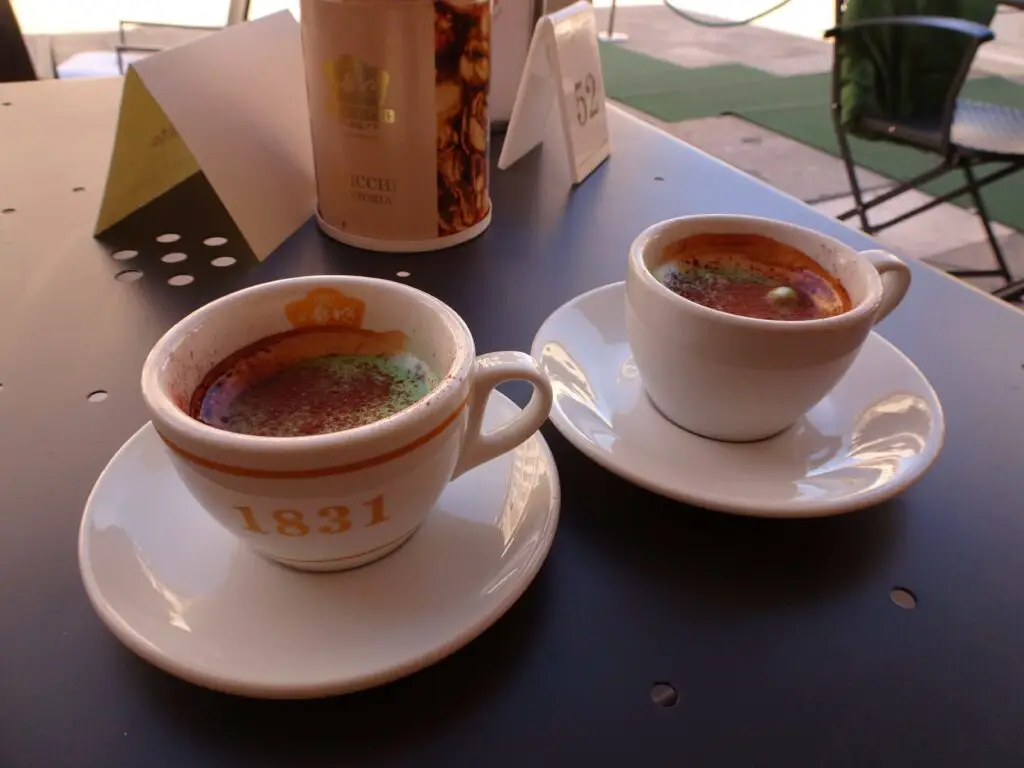
That said, I still recommend that you try the famous Pedrocchi Coffee while you’re here, which is coffee mixed with cream and mint syrup. We didn’t think it sounded all that great, but we actually really enjoyed it (plus it was kind of refreshing on the hot August day when we were there).
They also have snacks and sweets if you need something more substantial.
Palazzo della Ragione
Padua’s former town hall and palace of justice stands next to the city’s central market square and has a large hall that is decorated by another set of famous medieval frescoes running around the walls.
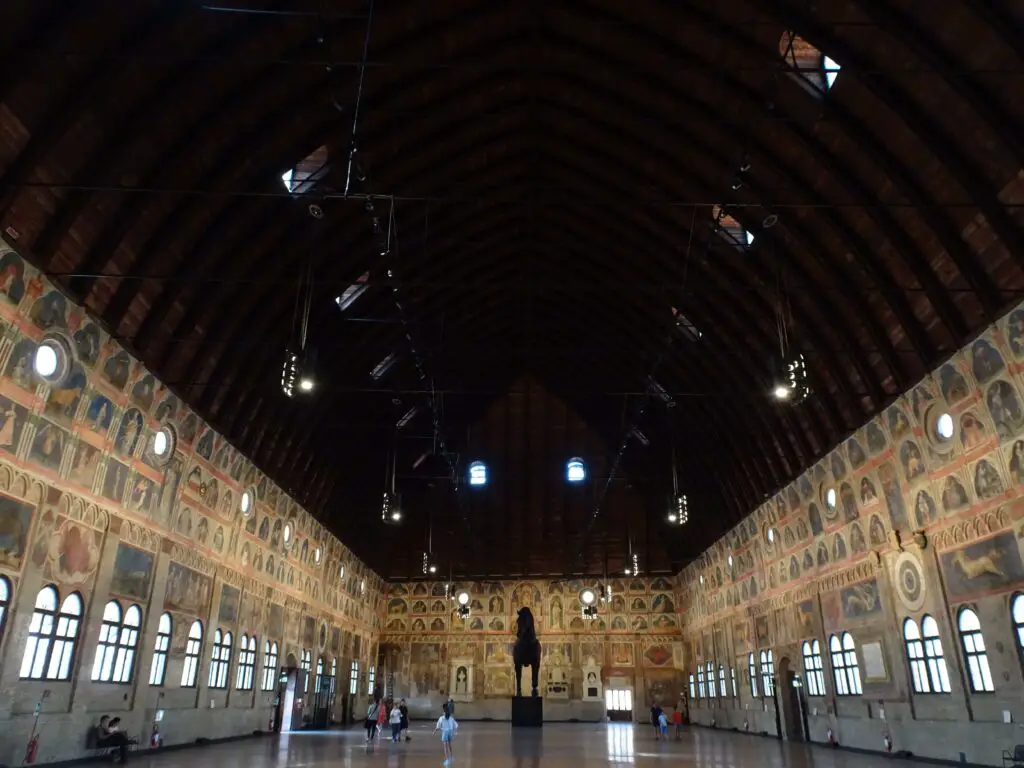
There are also several other curiosities in the room, like a Foucault’s Pendulum and a huge wooden horse sculpture, plus we really liked the arcaded loggia that runs around the hall and has some nice views of the neighbouring town squares.
You can check the current opening times here. The entrance fee is included in the Urbs Picta card.
Cathedral Baptistery
To me, the beautiful Cathedral Baptistery was even more impressive than the Scrovegni Chapel. The central dome is covered by a painting of Jesus in the pantocrator style (as the divine ruler of the universe), who is surrounded by hundreds of angels and saints.
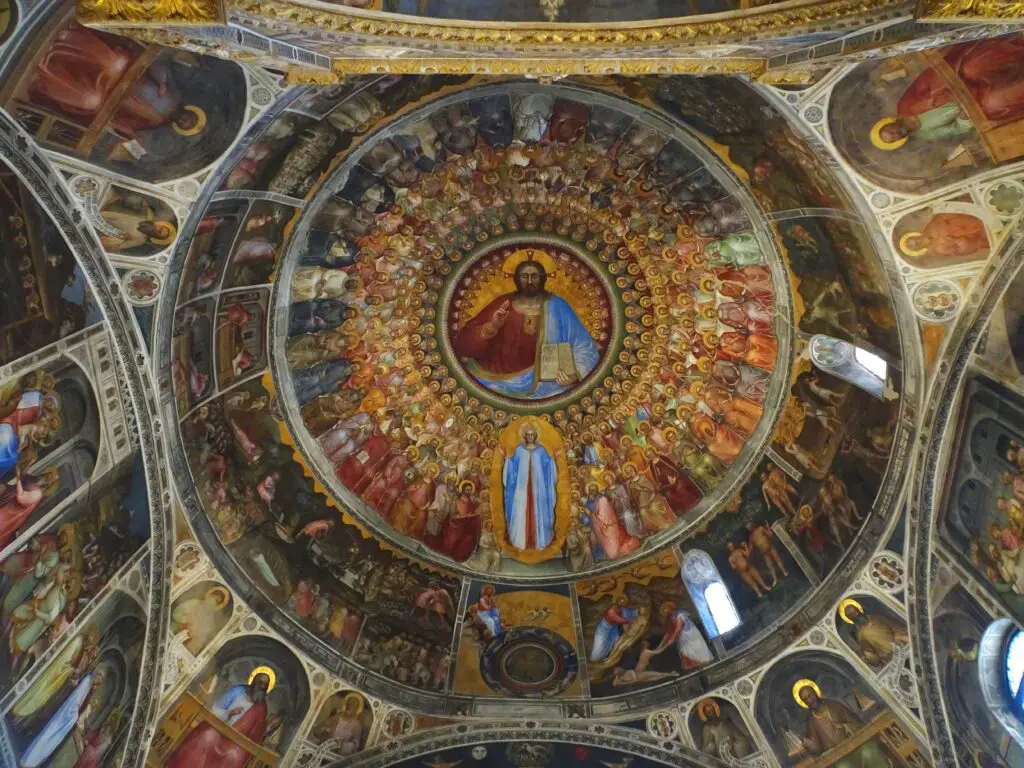
The walls show scenes from the lives of Jesus, Mary and John the Baptist, and the small apse that surrounds the altar is decorated with apocalyptical scenes from the Book of Revelation. By contrast, we found the adjoining cathedral itself to be rather austere and not necessarily a must-see sight.
The entrance to the baptistery is by guided tour only, but contrary to the Scrovegni Chapel, we just showed up and got a spot with the next group right away. You can check the current tour times here. The entrance fee is included in the Urbs Picta card.
St. Anthony Basilica
This beautiful pilgrimage church stands near the southern end of the city centre and holds the relics of St. Anthony (his shrivelled tongue and larynx that kind of look like alien entities in their glass cases).
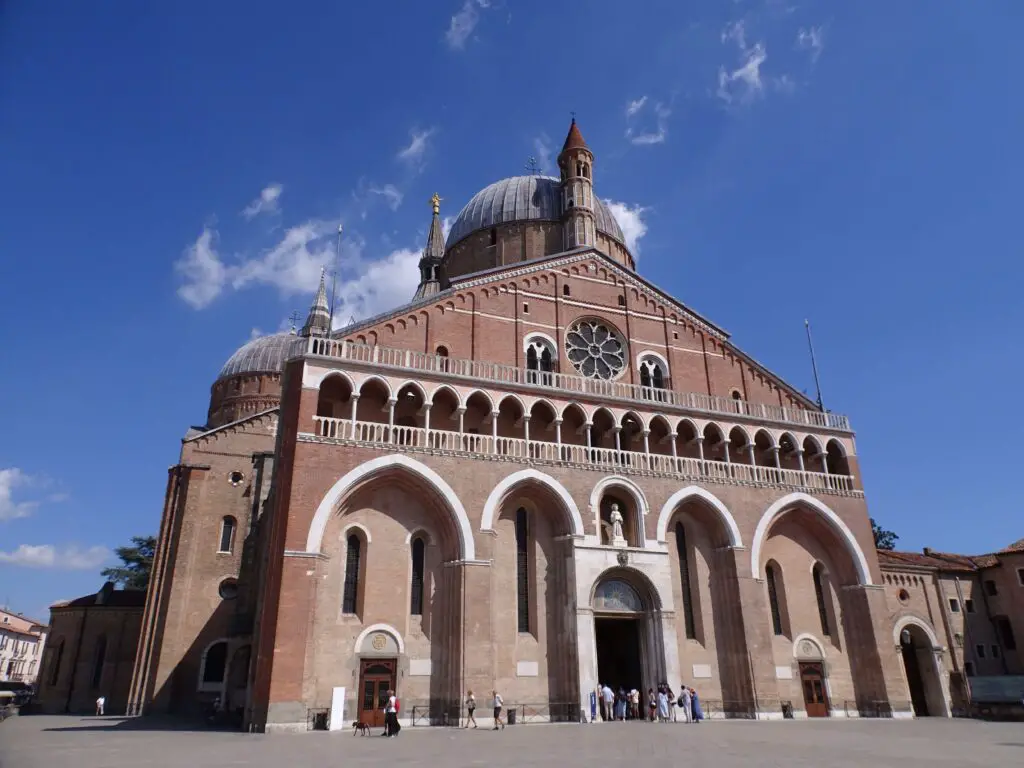
Apart from that, there are some pretty side-chapels, including the lavish one that contains St. Anthony’s sarcophagus and the fresco-covered Cappella di San Giacomo on the opposite side of the nave. There’s also a series of pretty cloisters that you can access from the church.
There’s no entrance fee and you can have a look at the opening times here.
The Botanical Garden
The Orto Botanico di Padua has the distinction of being the oldest botanical garden in the world but even without this pedigree, we would have found it well worth visiting.
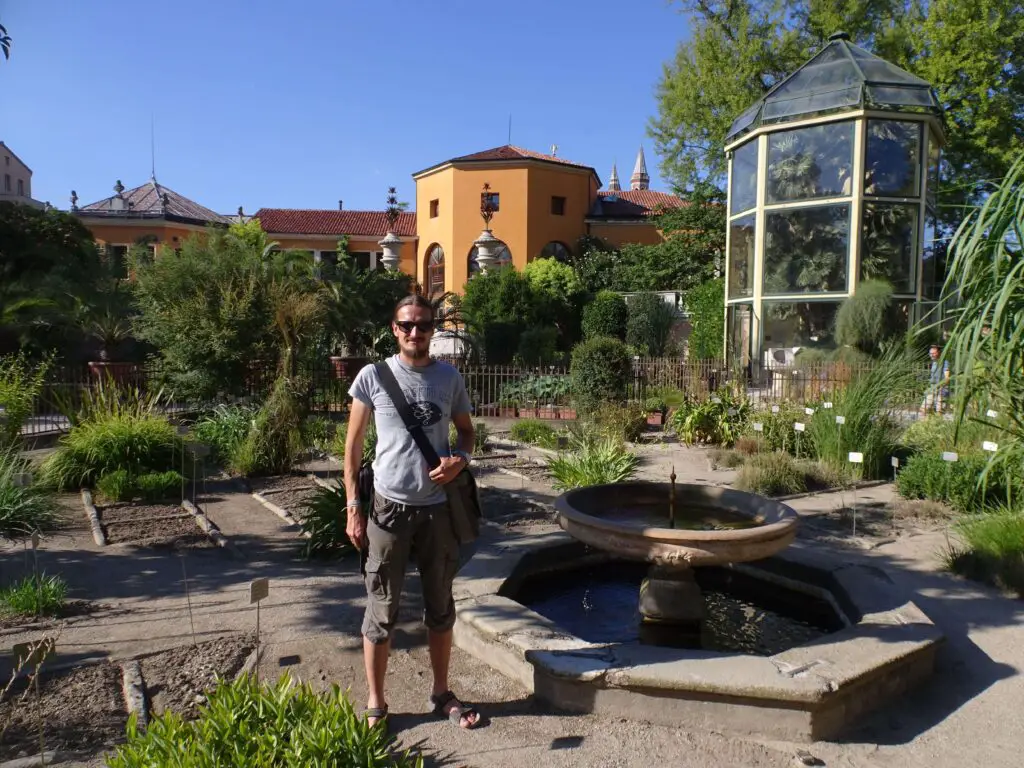
There’s a historical garden full of blooming flowers and pretty fountains, and a series of modern greenhouses that recreate different biospheres. The entrance fee was 10€ when we visited. You can check the opening times here and have a look at my dedicated guide to the garden here.
Prato della Valle Square and Dinner
Directly to the west of the Botanical Garden is Prato della Valle, which is Europe’s second-largest square (after the Red Square in Moscow). Contrary to the record-holder, this one has a pretty meadow in the centre, which is surrounded by a small canal.
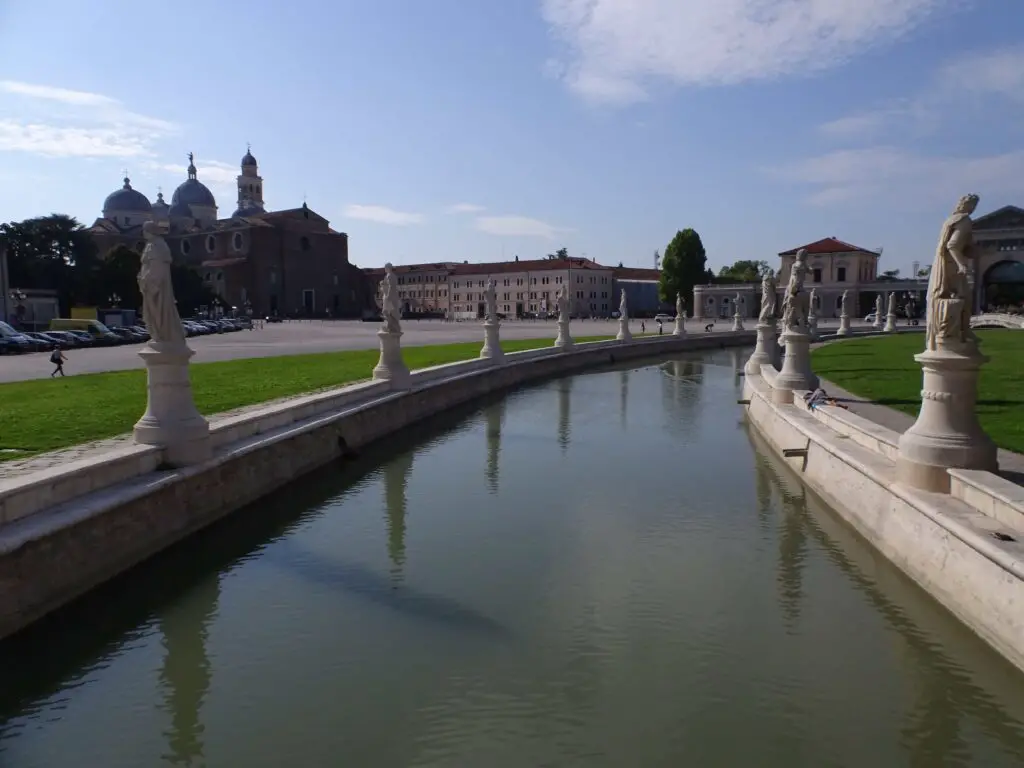
The canal is in turn framed by 78 statues of famous Italian people and the odd international figure (Gustav Adolf II of Sweden and Stephan Báthory of Transylvania somehow made the cut).
On the eastern and northern edge of the square are some restaurants, where you can end your day in Padua with a regional specialty.
Map of Padua
This map of Padua shows the location of all the places that I described above.
Practicalities
Entrance Fees and Combination Tickets
The entrance fees to the bigger sites can add up quickly and it might be a good idea to look into some combination tickets.
We bought the Urbs Picta Card, which is a great deal if you want to visit a few more of the sites. It includes entrance to the Scrovegni Chapel, Cathedral Baptistry, Pallazo della Ragione, Eremitani Museum or Museum of Applied Arts together with some other sites that I didn’t mention here.
You can get it for either 48 hours (28€) or 72 hours (35€) and it also includes unlimited use of the public transport. We bought our card at the tourist information near the Café Pedrocchi, but you can also get it at the Museo Civici, where the Scrovegni Chapel is located or online on this site.
How to Get to Padua
You can easily reach Padua by train from lots of places in the Veneto Region, including Venice (about 30 minutes), Verona (about 1 hour) or Vicenza (about 30 minutes). Padua’s main station is located slightly north of the city centre across the Piovego Canal.
Where to Stay in Padua
There are lots of places to stay in Padua, but the cheaper options tend to be a little out of the centre. We stayed at Albergo Junior, which is a few minutes’ walk north of the train station. It’s a cosy and very affordable bed and breakfast that’s run by a friendly elderly couple.
The city centre is full of midrange options with great ratings, like Scrovegni Rooms and Breakfast or Residence Eremitani, which are right next to the Scrovegni Chapel. Palazzo Mantua is one of the best-rated luxury options. You can have a look at the map below for more options.
What Else to Do in Padua
Checking out the 14th-century Fresco Cycles of Padua
Exploring Padua’s Botanical Garden, the Oldest Botanical Garden in the World
Taking a Day-Trip to the Beautiful Euganean Hills