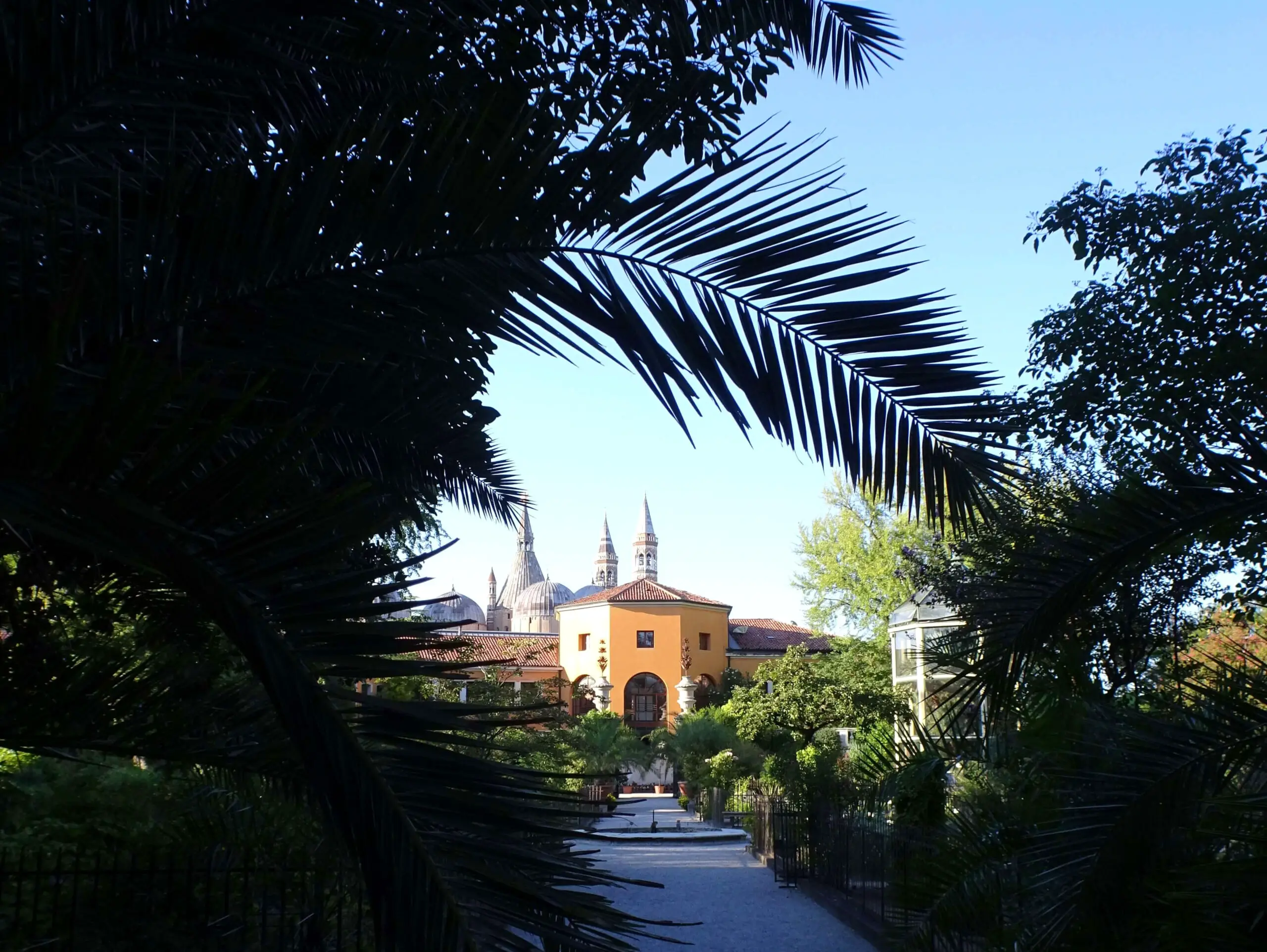
Padua was one of our favourite stops on our trip through the Veneto Region, mostly because of its beautiful architecture and impressive series of 14th-century frescoes. Apart from that, it’s also home to the second-largest square in Europe and the oldest botanical garden in the world.
Personally, we’re suckers for parks and gardens, so we naturally had to drop by this historical one. The Orto Botanico di Padova was founded as a university garden in 1545 and still has its original symmetrical layout.
In 1997 the garden was inscribed as a UNESCO World Heritage Site because of its historical and scientific importance. More recently, they added a series of modern greenhouses near the historical garden, so despite its age it’s still constantly evolving. Here’s everything you need to know about visiting this special place.

This post may contain affiliate links, and I might earn a small commission at no additional cost to you. For more info, click here.





A Brief History of the Garden
The Orto Botanico di Padova was founded in 1545 by the city’s University, which makes it the oldest botanical garden in the world that still remains in its original location.
It was originally built to grow medicinal plants, known as simples, which were used to teach medical and pharmacy students how to identify different species and avoid dangerous mix-ups with similar-looking plants.
Thanks to Padua’s reputation as one of Europe’s leading centres of learning during the Renaissance, the garden then became an important hub for botanical research. Rare plants arrived with traders from all over the world, which in turn allowed scientists to study and classify species that had never before been seen in Europe.
The garden also inspired the creation of lots of other botanical gardens across Europe over time. There have been some later additions (most notably the 19th-century greenhouses and modern Biodiversity Garden), but we still found it very easy to see the original Renaissance design when we were there.
Padua Hotel Tips
Budget: Albergo Junior
Midrange: Residence Eremitani
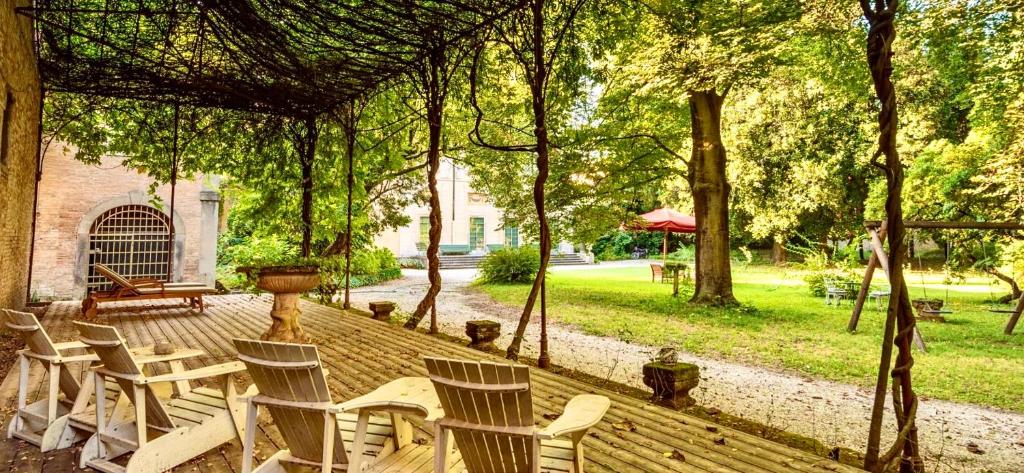
Luxury: Palazzo Mantua (pictured)
.
What to See in Padua’s Botanical Garden
The Historical Scientific Garden
The symmetrical design of the historical garden (aka. Hortus Simplicium) is modelled on medieval enclosed gardens. There are four separate areas with different plants, which form a ground plan of a square that is surrounded by a circle. In the centre of this garden stands a small fountain.
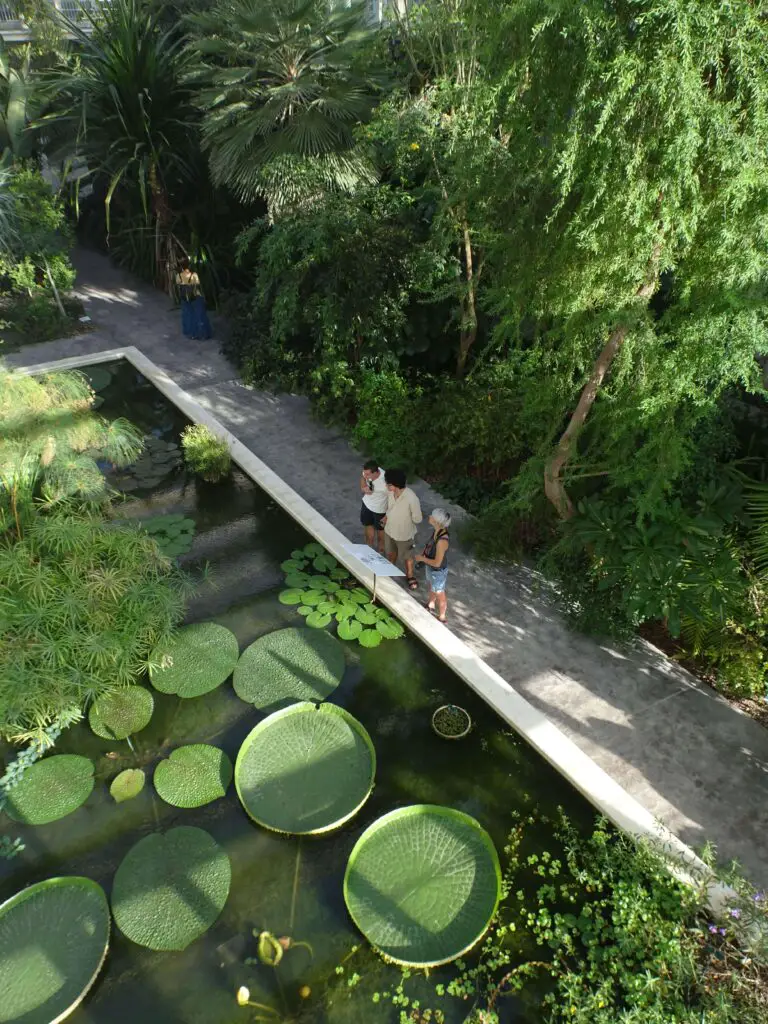
The garden was mainly constructed as a place for scientific research, but we still found it super attractive, as there were lots of flowering trees and bushes all over the area. We also spotted quite a few statues of mythological creatures and pretty little ponds full of water lilies that gave the garden a bit more character.
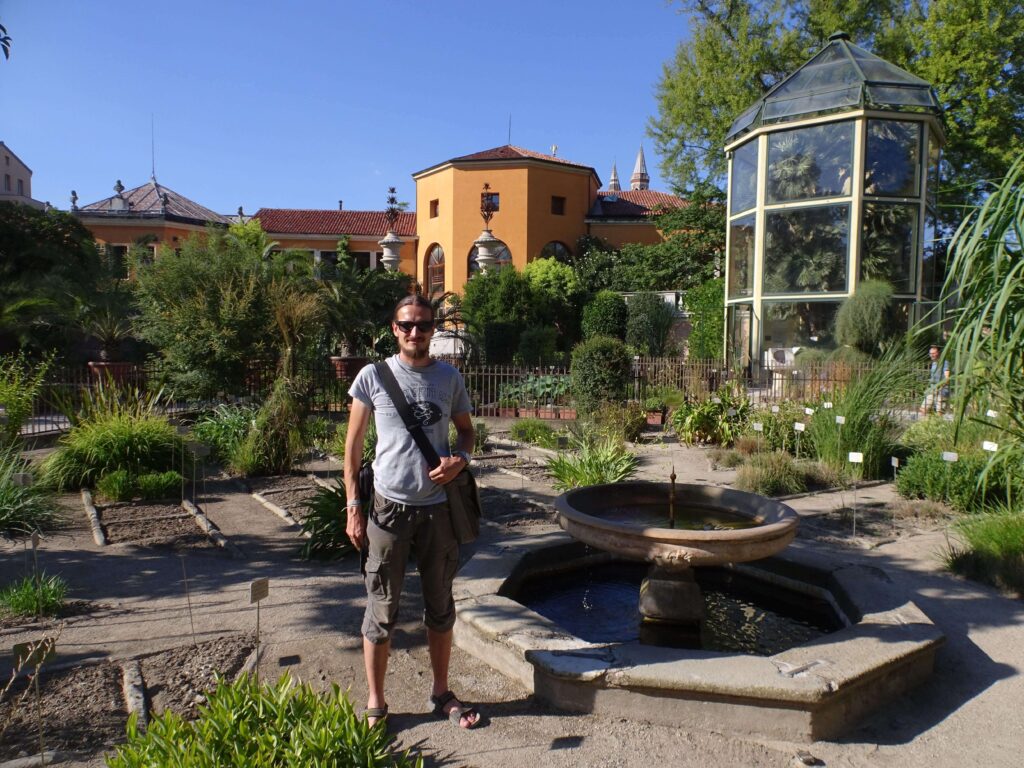
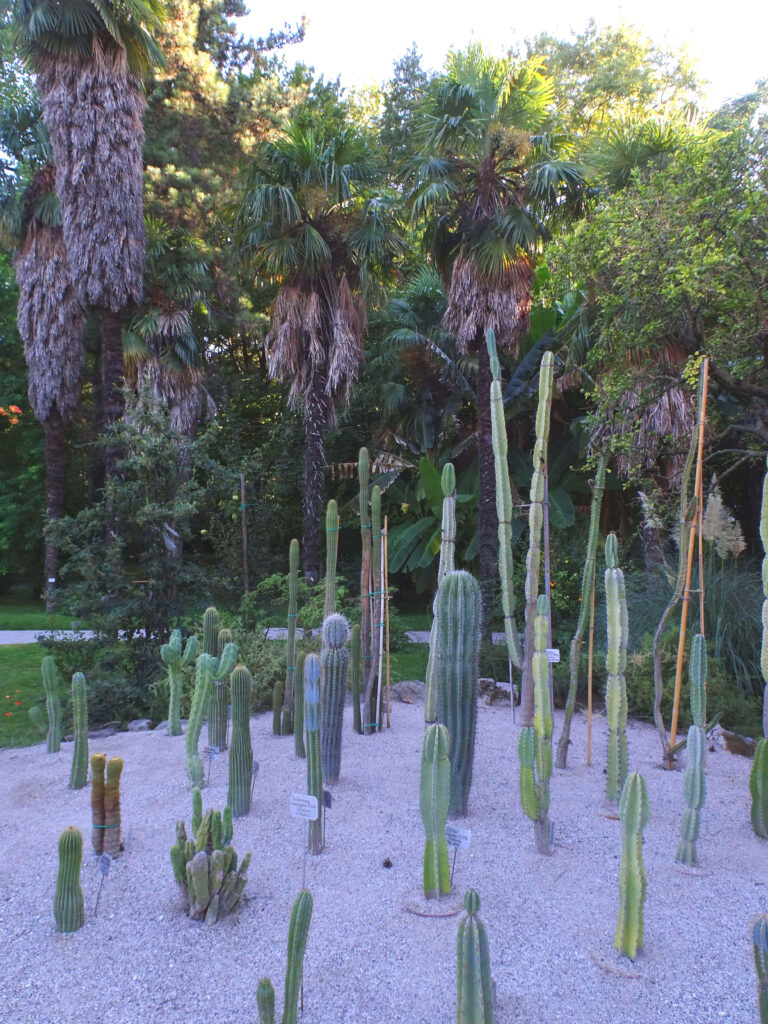
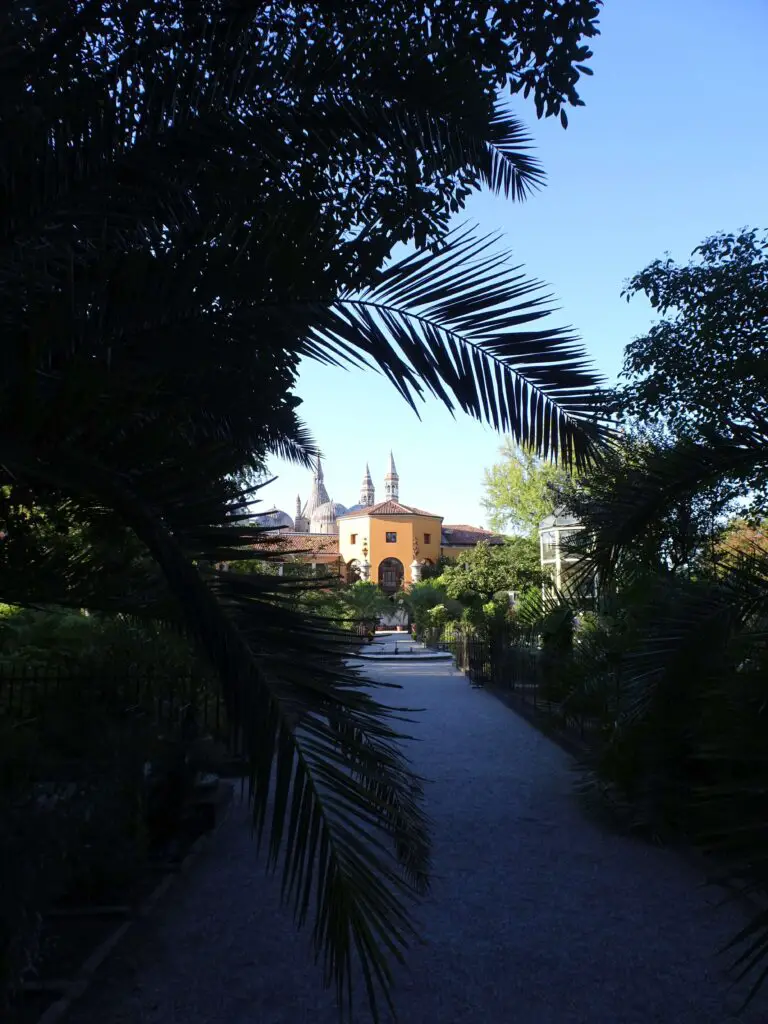
At the northern end of the historical gardens, there’s a small greenhouse that houses a tall palm tree, which was already visited and described by the German writer Johann Wolfgang Goethe during his famous trip to Italy in the 1780s.
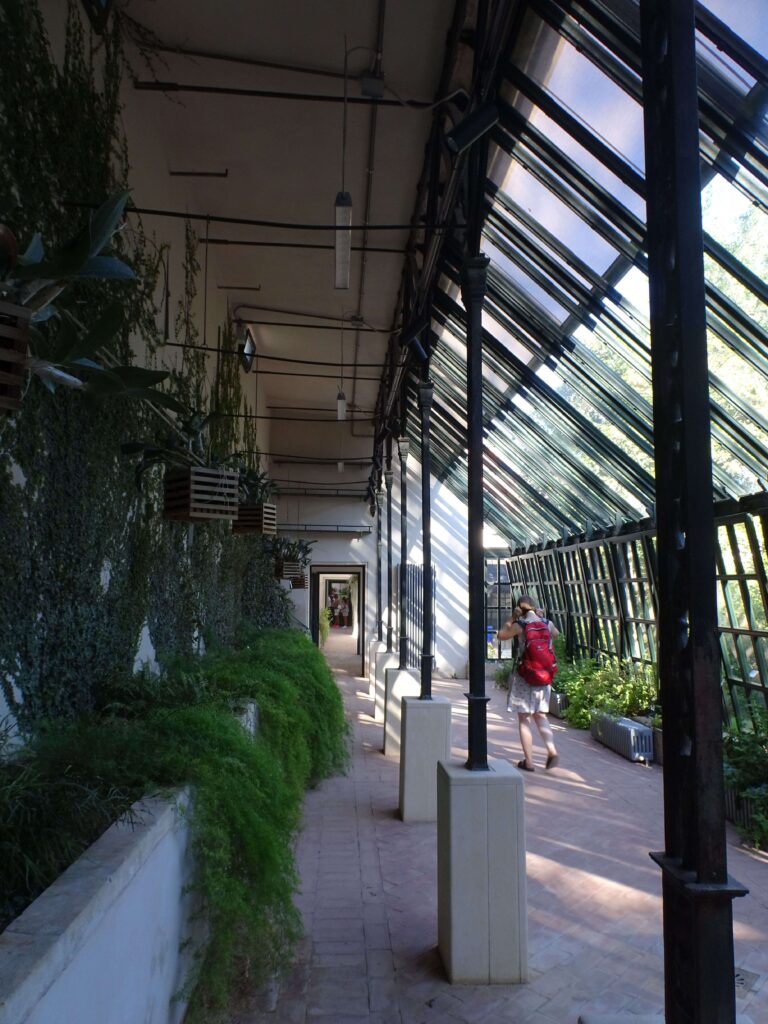
We also liked the series of historical greenhouses from the first half of the 19th century directly to the north, which contain different types of orchids and some carnivorous plants.
The Biodiversity Garden
In 2014, a series of modern greenhouses were built directly to the south of the historical garden. They are called “Biodiversity Garden” and recreate different habitats from around the world, including tropical, sub-humid, temperate and arid zones.
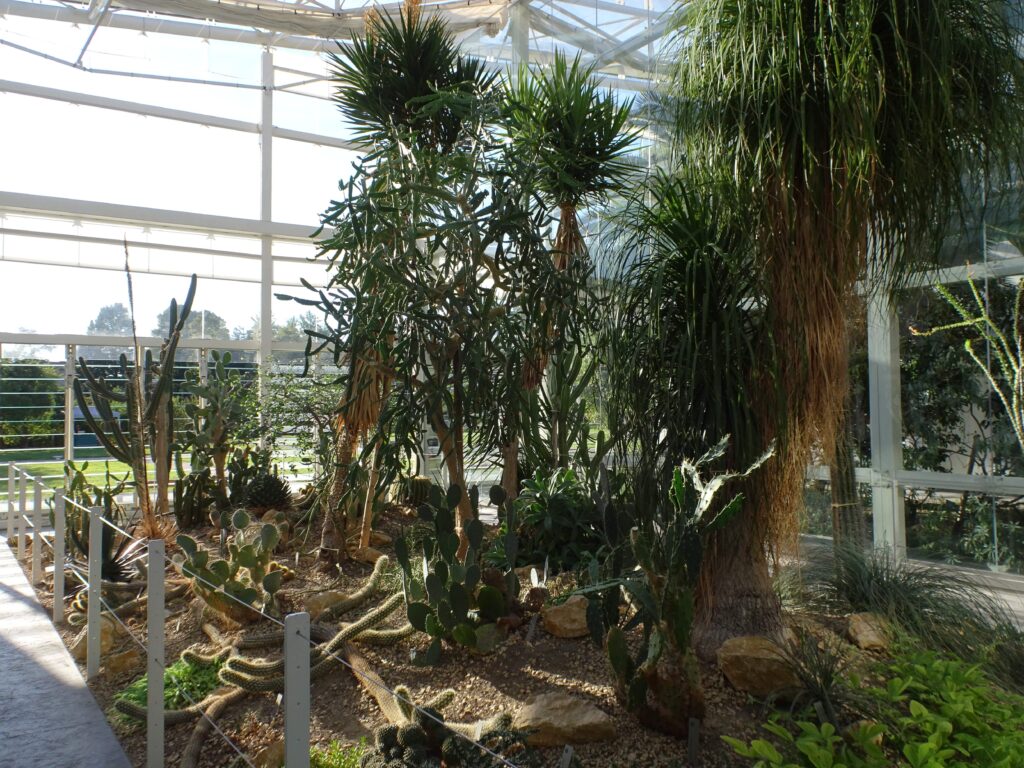
Apart from the many different plants, there’s lots of information boards and interactive displays with explanations about natural history, ethnography and the relation between humans and nature. Something else we liked was the canopy walkway in the tropical section, which gave us a chance to get a closer look at the upper levels of the trees.
Practicalities
What Is the Entrance Fee?
The general entrance fee is 10€. People above 65 years only pay 8€ and people below 25 pay 6€.
What Are the Opening Times?
The gardens are open year-round from Tuesday to Sunday. There are different opening times depending on the season. You can check the current ones here.
How to Get to Padua
You can easily reach Padua by train from lots of places in the Veneto Region, including Venice (about 30 minutes), Verona (about 1 hour) or Vicenza (about 30 minutes). Padua’s main station is located slightly north of the city centre across the Piovego Canal.
Where to Stay in Padua
There are lots of places to stay in Padua, but the cheaper options tend to be a little out of the centre. We stayed at Albergo Junior, which is a few minutes’ walk north of the train station. It’s a cosy and very affordable bed and breakfast that’s run by a friendly elderly couple.
The city centre is full of midrange options with great ratings, like Scrovegni Rooms and Breakfast or Residence Eremitani, which are right next to the Scrovegni Chapel. Palazzo Mantua is one of the best-rated luxury options.
What Else to Do in Padua
Checking out the 14th-century Fresco Cycles of Padua
The Ultimate One-Day Itinerary for Padua, Italy
Taking a Day-Trip to the Beautiful Euganean Hills