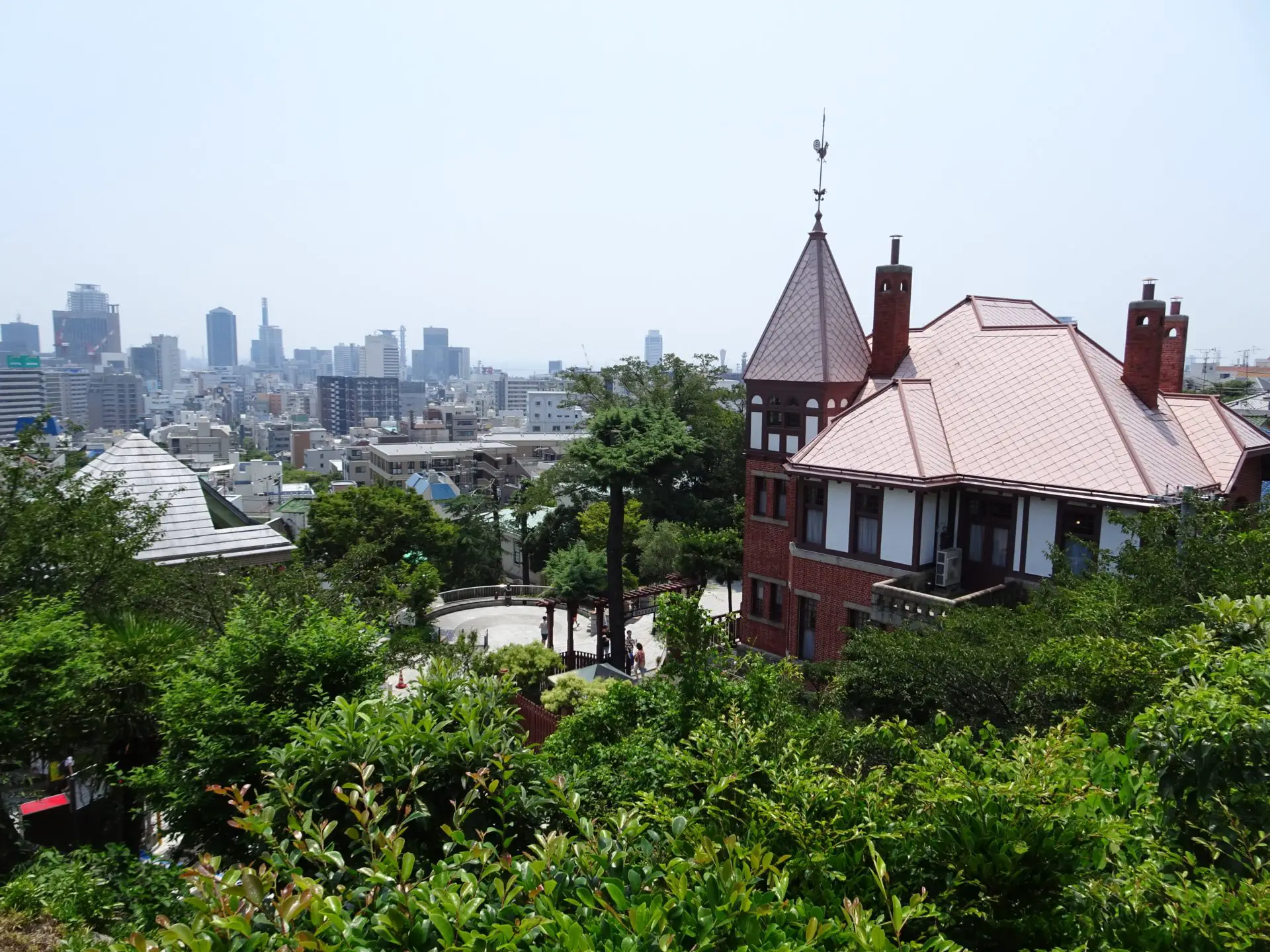
Kobe’s Kitano-cho District went against all our expectations of a Japanese city with its wooden mansions with half-timbered façades and dormer windows. That’s because the quarter is home to historic mansions of foreign merchants who came to Japan after the country opened up to the West.
The Ijinkan (foreign houses) from the Meiji Era (1868 to 1912) belonged to people from different countries, and because of that, exploring Kitano-cho felt a bit like taking a very fast tour around the world. Here’s everything you need to know about Kobe’s merchant quarter.

This post may contain affiliate links, and I might earn a small commission at no additional cost to you. For more info, click here.





Is Kitano-cho Worth Visiting?
When we were exploring Kitano-cho, we noticed that it seems to be really popular with Japanese visitors, but there weren’t many foreign tourists around. Our guess was that for our fellow Europeans, the houses aren’t all that special when compared to the familiar architecture back home.
While we’re from Germany ourselves, we still found it interesting to see the different architectural styles and to learn about the life of 19th-century merchants in the country. Some of the places are also really wacky and are worth dropping by for that alone.
Kobe Hotel Tips
Budget: Hostel Yume-Nomad
Midrange: Hotel Crowne Plaza
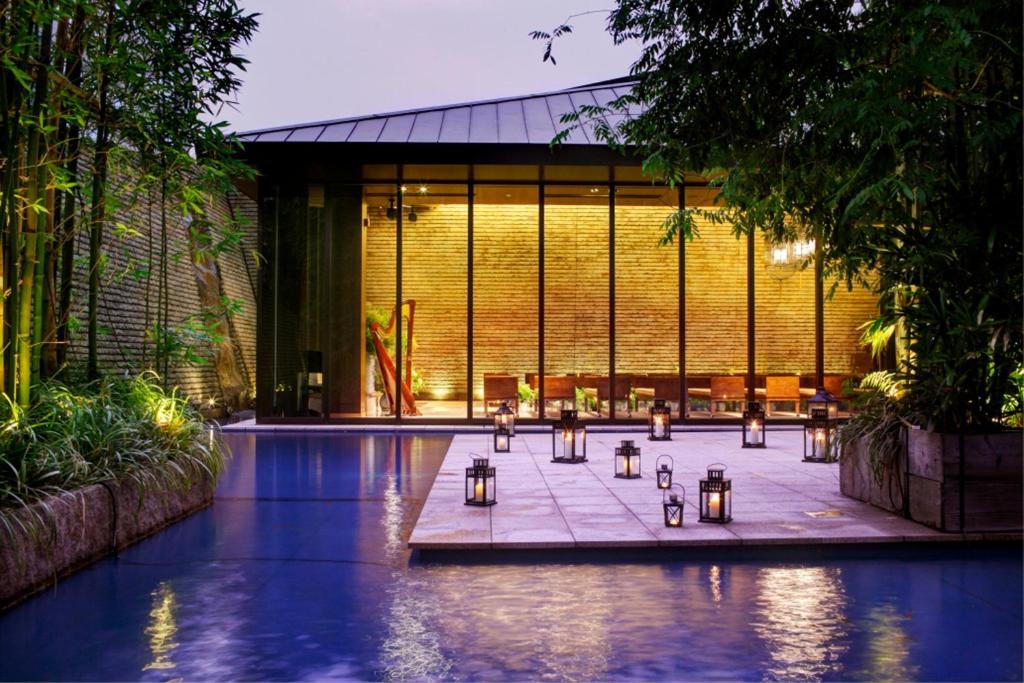
Luxury: The Orient (pictured)
.
It’s a fun place to explore as much for the history as for the delighted reactions of the domestic tourists and if you look beyond the layers of kitsch, you’ll get a genuine glimpse into a rare facet of Japanese history.
Which Houses Should You Visit?
We visited eight Ijinkan in total and found something interesting in all of them. That said, some of them are definitely more worthwhile than others.
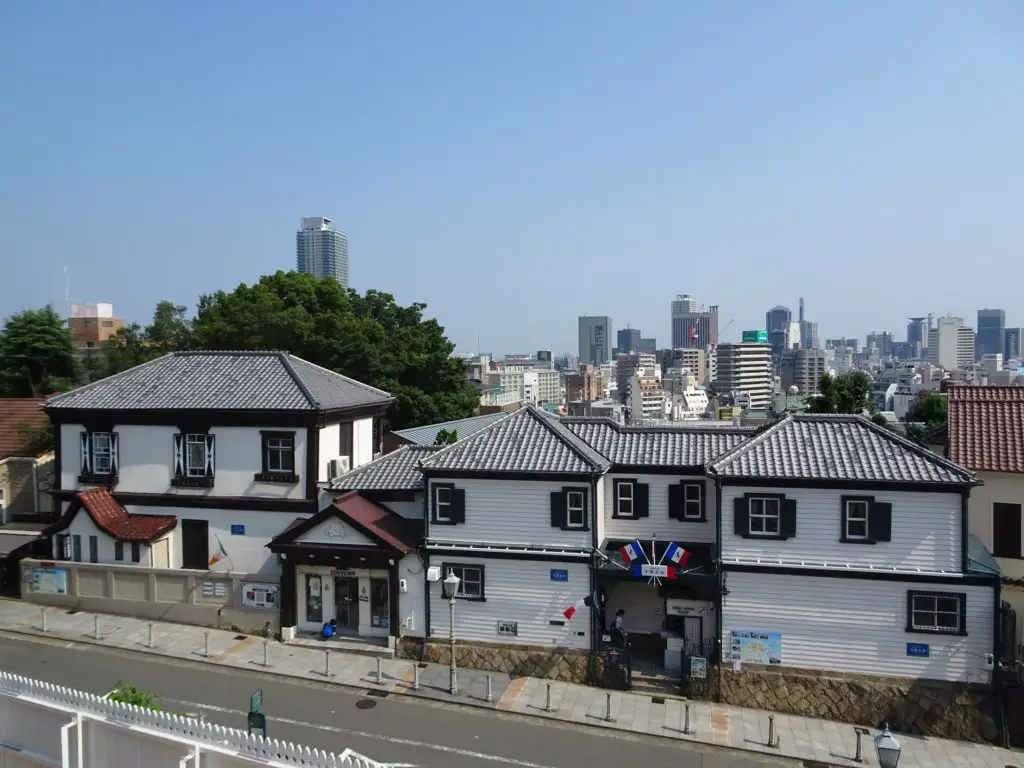
If you only have time or money for one, I recommend checking out the Weathercock House or the Moegi House, which gave us the best idea of how the merchants used to live. Uroko House is also interesting, but a bit expensive to visit if you’re not getting a combination ticket.
Some of the other houses can feel a bit gimmicky, at times (especially Ben’s House and the English House).
Exploring the Ijinkan of Kitano-cho
These are all the Ijinkan that we checked out in Kitano-cho.
Weathercock House – The German House
This is one of the more impressive houses from the outside. The House of the Weathercock belonged to the German merchant Gottfried Thomas and his family. Inside, it’s full of period furniture, a few interesting historic photographs of the family and some pretty corny wallpaper (lots of roses).
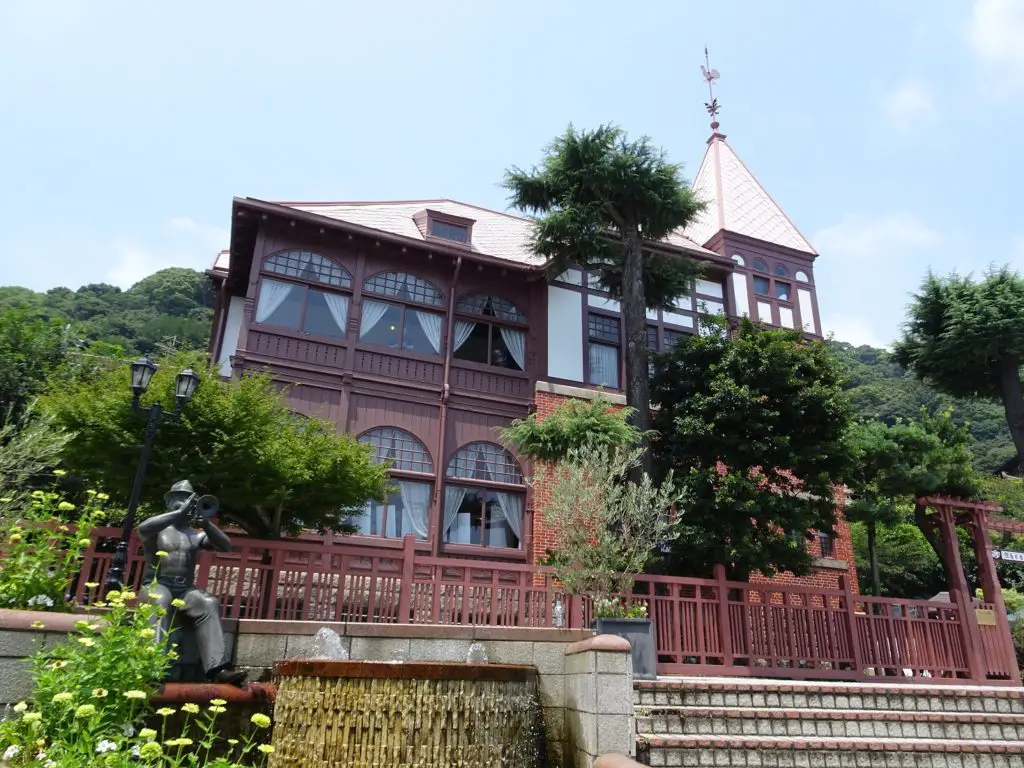
Most of the rooms have been recreated to look like they did in the 19th century. That’s not always the case in the other houses, so this one gave us the best glimpse into the domestic life of the merchant family.
Moegi House – The U.S. House
This mint-green building used to be the home of the Consul-General of the United States. It has an impressive portico and some pretty bay windows and there’s a cute garden surrounding it.
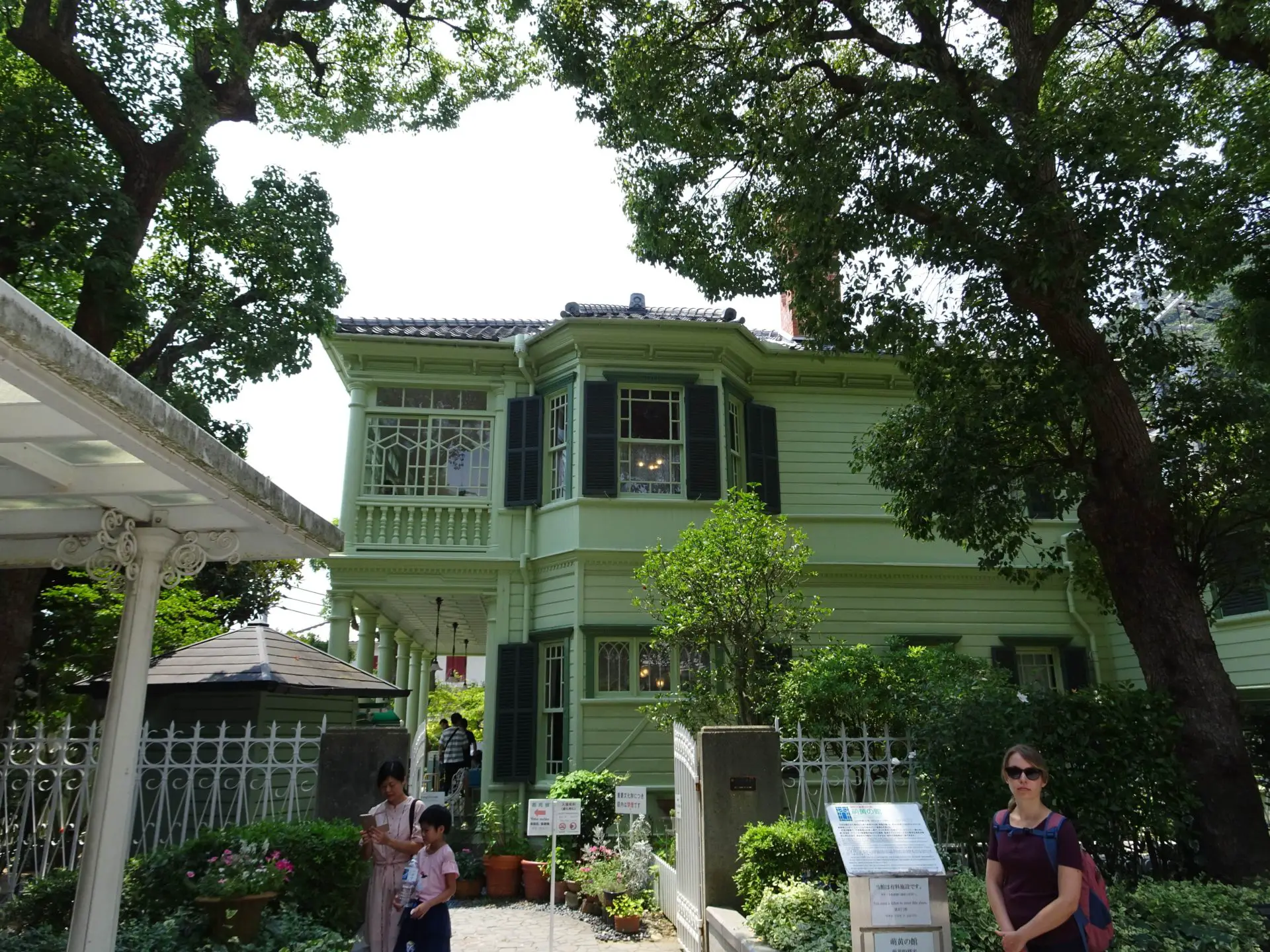
Similar to the House of the Weathercock, the inside of Moegi House has been recreated to look like it did when it was occupied. We also liked the views over central Kobe and down to the ocean from the second-floor verandah.
Yamate 8-Bankan – The Hillside House
The name of this building translates to “Hillside House Number 8”. We thought that it had a pretty incongruous architectural style, as it combines a Tudor-like half-timbered façade with some classic Japanese elements, including two Nio guardian statues around the entrance door.
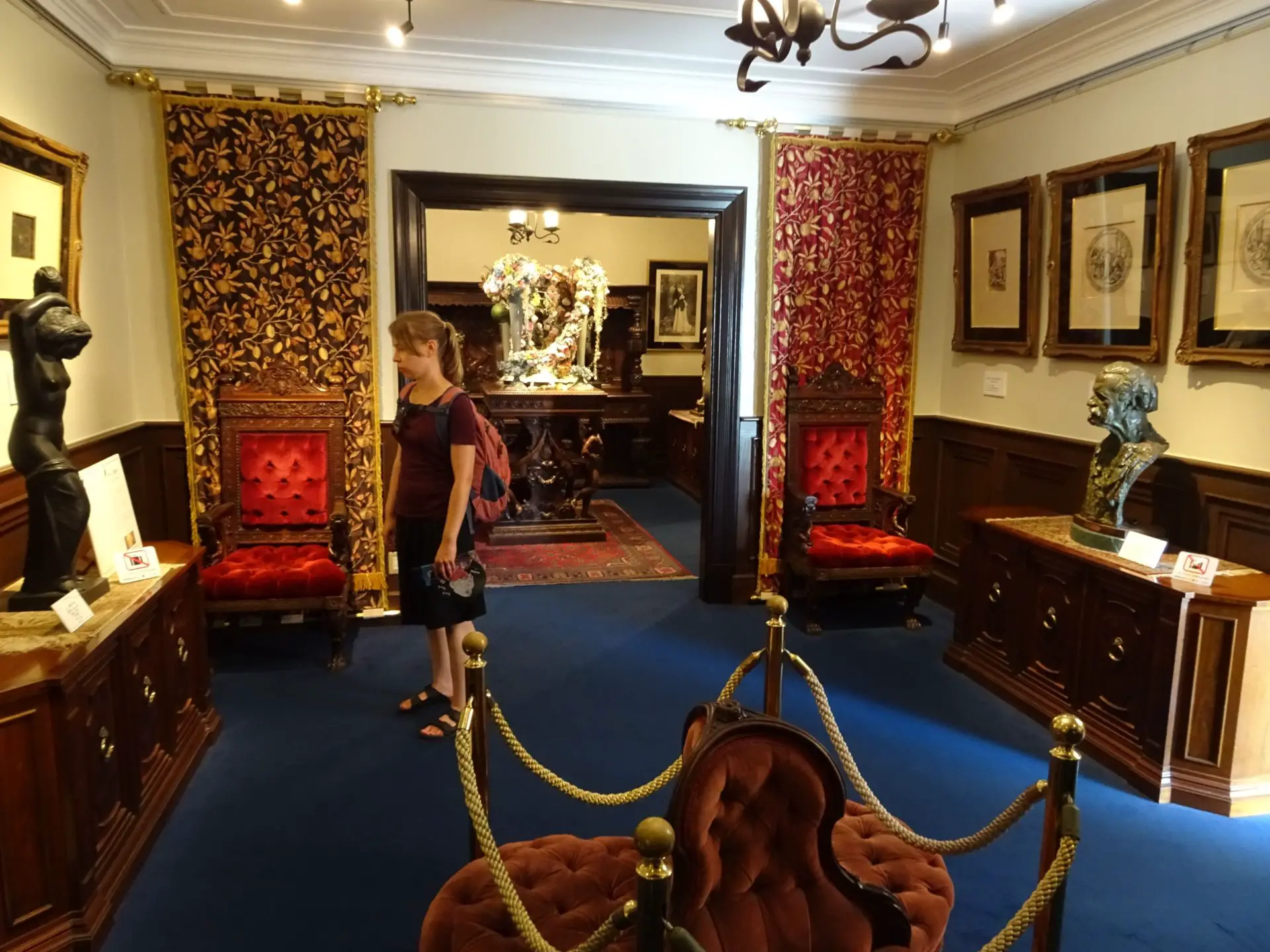
Inside, there were some interesting pieces of period furniture and lots of sculptures, including some by Auguste Rodin and Pierre-Auguste Renoir.
Uroko House – The Rental House
Uroko House is named after the fishscale-like slate shingles that are covering its outside. Apparently, it was the first Ijinkan built in Kitano-cho, and it didn’t have a single family living there. Instead, it was rented out to several people over time.
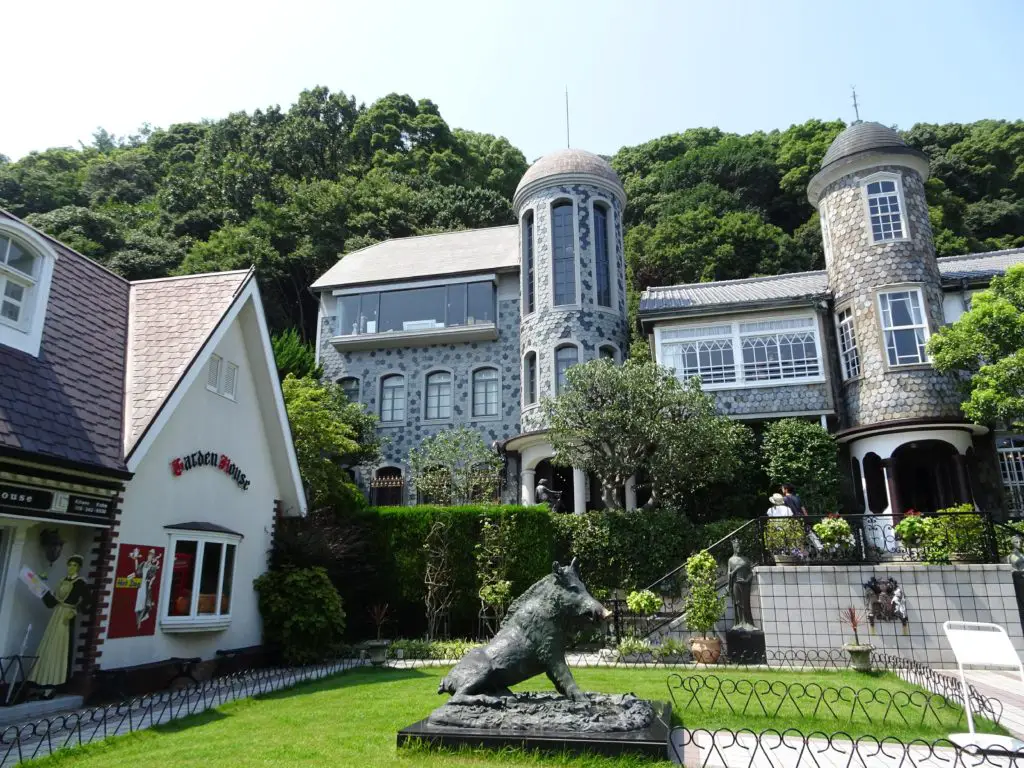
The house actually consists of two separate buildings, that you can both explore. In the main house on the right, there are more examples of historical interior architecture and some exhibitions of pretty porcelain and glassware.
Once again, there’s a great view over central Kobe and down to the harbour from the top floor. The left house had an exhibition of paintings by contemporary Japanese artists when we visited. The boar sculpture in the courtyard is supposed to bring luck to anyone who rubs its snout.
Platon Decorative Arts Museum – The Italian House
As of 2026, this house is closed for renovation. I’ll leave the information here, in case that changes in the near future.
As the name suggests, this place is chock-full of 18th– and 19th-century furniture and artworks. To be honest, we didn’t really notice a distinct Italian touch. Instead, the outside of the building has a little blue-and-white chapel attached, that reminded us more of Greece.
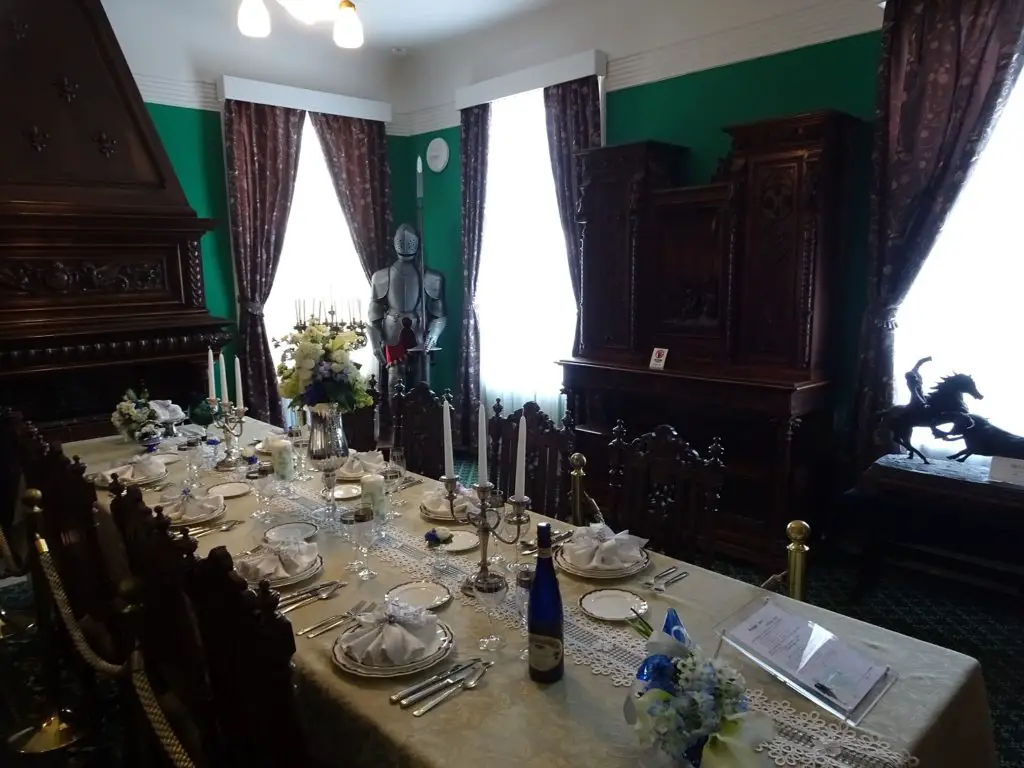
To us, the most interesting room inside the house was the 19th-century dining room, which is guarded by an anachronistic knight’s armour. Outside you can snap pictures with photo cutouts of James Bond and Audrey Hepburn, because… Why not?
Ben’s House – House of the Hunter
This house used to belong to an Englishman, who apparently was pretty passionate about hunting (and playing Norman Bates by displaying his stuffed trophies around the house). It’s not something we really care for, and it’s one of the houses we could have skipped.
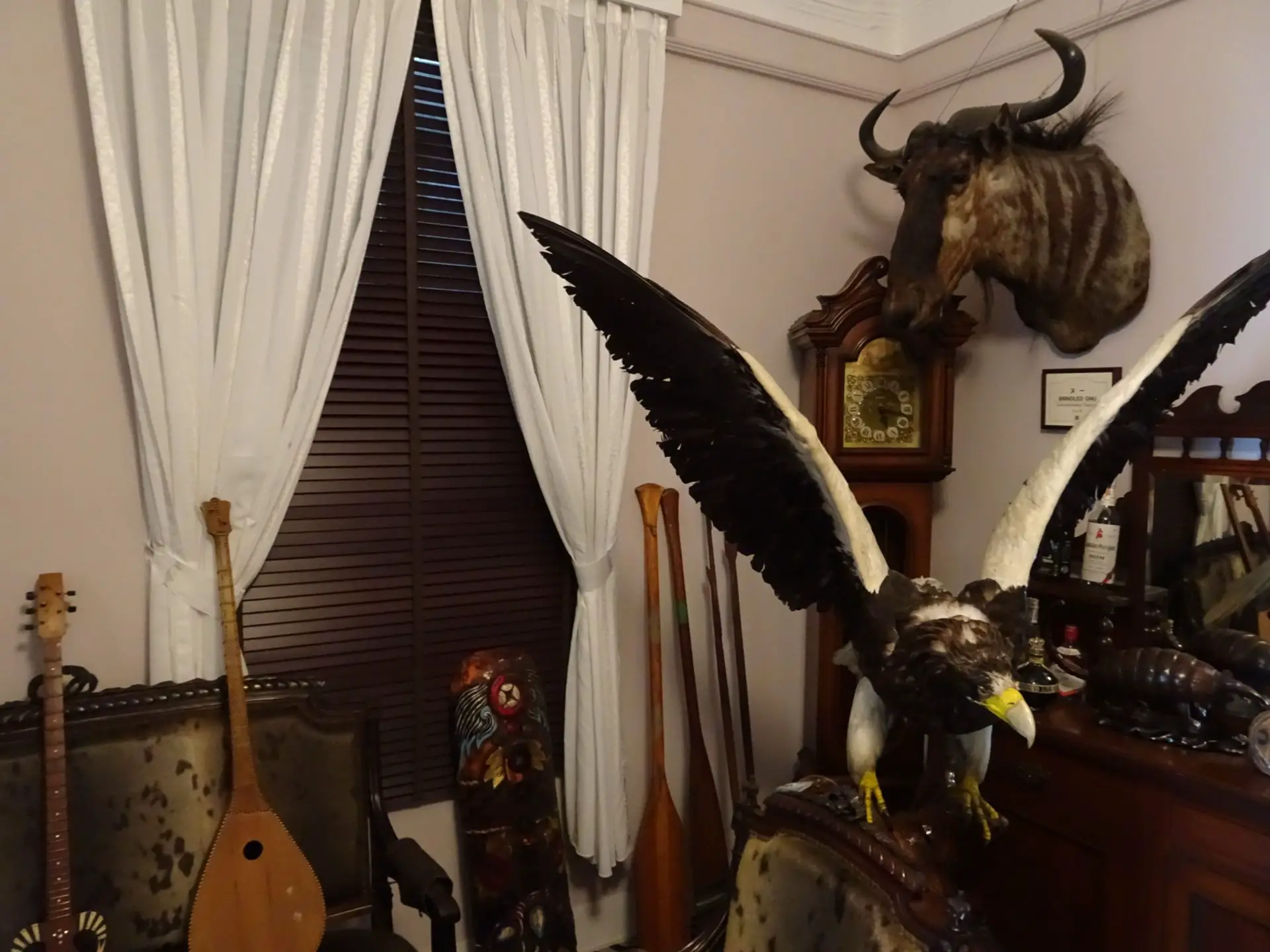
That said, in between the bison heads and upright stuffed polar bears straight out of Mr. Burns’ office, there are some interesting instruments and artworks, which were presumably brought back from the hunting trips, so if the house is included in your combo ticket you might want to check it out anyway.
Yokan Nagaya – The French House
This mansion has some really over-the-top period furniture, which wouldn’t be out of place in a 19th-century French palace. There’s also some interesting displays of glass art and some wacky sculptures including giant wasps and a vase which for some reason is filled with flamingos.
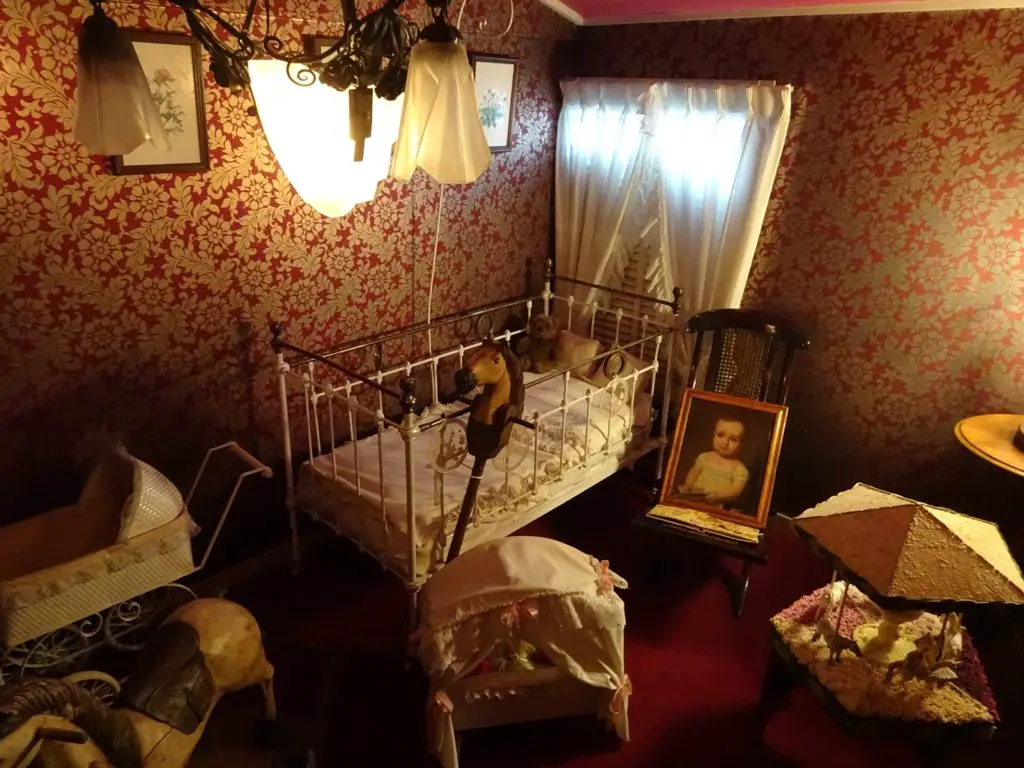
Also, check out the creepy nursery upstairs, which looks like it belongs in a haunted house movie (I can just see those wooden horses starting to move frantically by themselves).
The English House
This is the former home of an English merchant and here, it gets really gimmicky. The house is basically a recreation of 221B Baker Street complete with wax figures of Sherlock Holmes and Watson in their study.
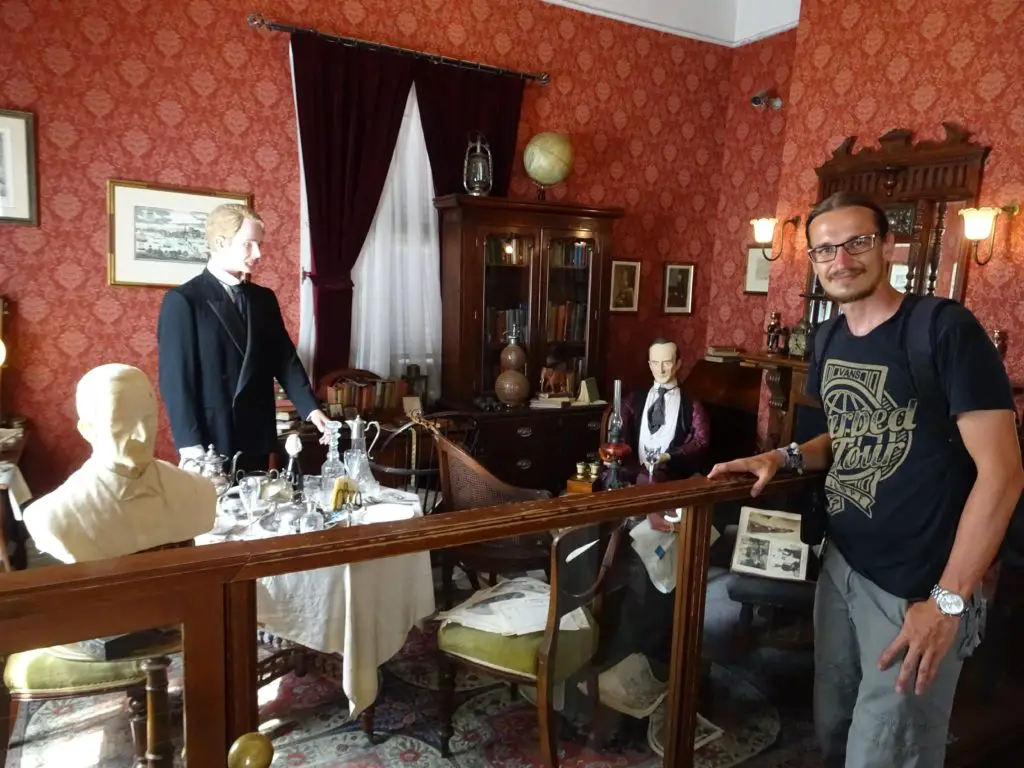
Stefanie and I are both fans, so we liked finding the Easter eggs from many of the stories that are hidden all through the house. Still, it felt more like an amusement park attraction to us than a historical museum (which I assume is on purpose).
The ground floor has a small pub by the name King of Kings, but it’s only open in the evening and we were there during the day. The small garden in the back has a recreation of Baker Street Tube Station, in case you’re a desperately homesick Brit.
There are also some random figures from Alice in Wonderland hidden around the garden, because they were running with the Victorian English writers theme, I guess. In any case, Humpty Dumpty already perches dangerously on the wall – no learning from his past mistakes.
Starbucks Ijinkan
At the southern edge of the district, one of the merchant houses has been transformed into a branch of everybody’s favourite overpriced coffee chain, so you can spill your frappuccino over the original floorboards or whatever.
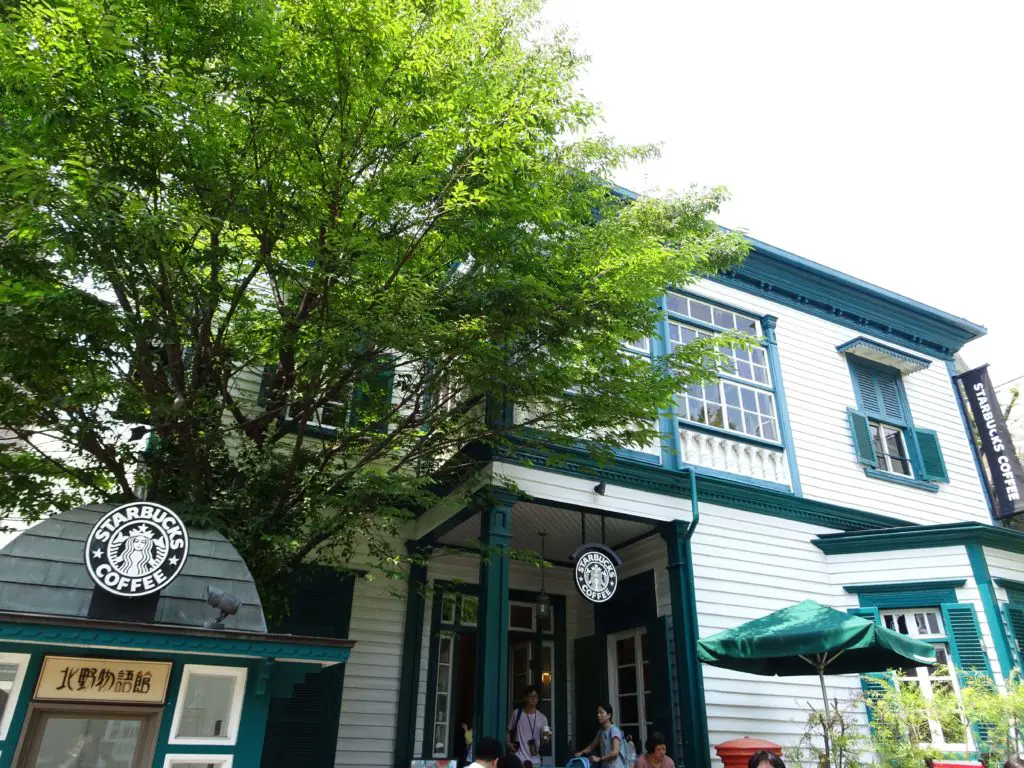
I normally wouldn’t recommend a Starbucks, but in this case it’s so unusual that I think it’s actually worth stopping by and having a look around the different rooms inside. Obviously, there’s no original furniture, but the layout of the rooms has been kept (as has the original fireplace).
Map of Kitano-cho
You can find all the houses that I described above on this map of the neighbourhood.
Practicalities
How to Get to Kitano-cho
The easiest way to get to the neighbourhood is by walking west from Shin-Kobe JR Station for about 10 minutes along Kitano-dori.
Opening Times and When to Visit
As I mentioned above, the area is super popular with Japanese tourists, so I recommend going either in the morning or late afternoon to avoid crowded houses. Most mansions are open from 9:30am to 6pm in the summer. You can check this site for the opening times of the separate places.
How Much is the Entrance Fee?
Most of the houses have an entrance fee of 550¥, except for the English House with 880¥ and Uroko House, which is a pretty steep 1,100¥.
If you want to visit a few of the houses, it’s best to get a combination ticket. There are tickets for 4 (2,200¥) or 7 houses (3,300¥). Unfortunately, you can’t pick and choose with the cheaper one, as the included houses are specified. You can find more info here.
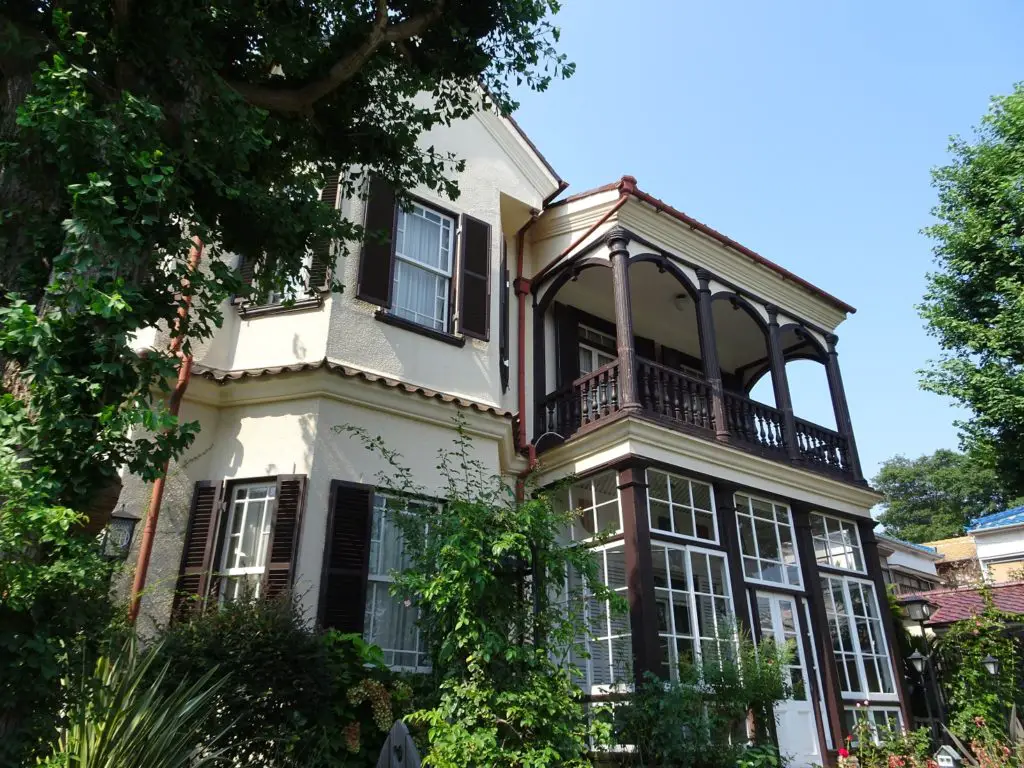
The Weathercock House and Moegi House are not included in any of the tickets. Instead, you’ll need to pay a separate entrance fee of 500¥ individually or 800¥ together.
If you visit a lot of the houses, the prices can quickly add up, but maybe this post will help you decide which ones you want to check out. Otherwise, it’s completely free to walk around the neighbourhood and check out the mansions from the outside.
Where to Stay Near Kitano
We stayed in the good-value Hostel Yume-Nomad a little west of Downtown Kobe, but if you prefer to stay in the Kitano-cho area, there are plenty of midrange hotels (like Hotel Kitano Plaza Rokkoso or Hotel Crowne Plaza Kobe) and some budget options (like Green Hill Hotel or Hotel Livemax) around. A well-rated luxury choice in the city would be The Orient, which is a bit south of Kitano.
See Also
The Ultimate Guide to Finding Cheap Kobe Beef in Kobe, Japan
A Great 2-Day Itinerary for Kobe, Japan