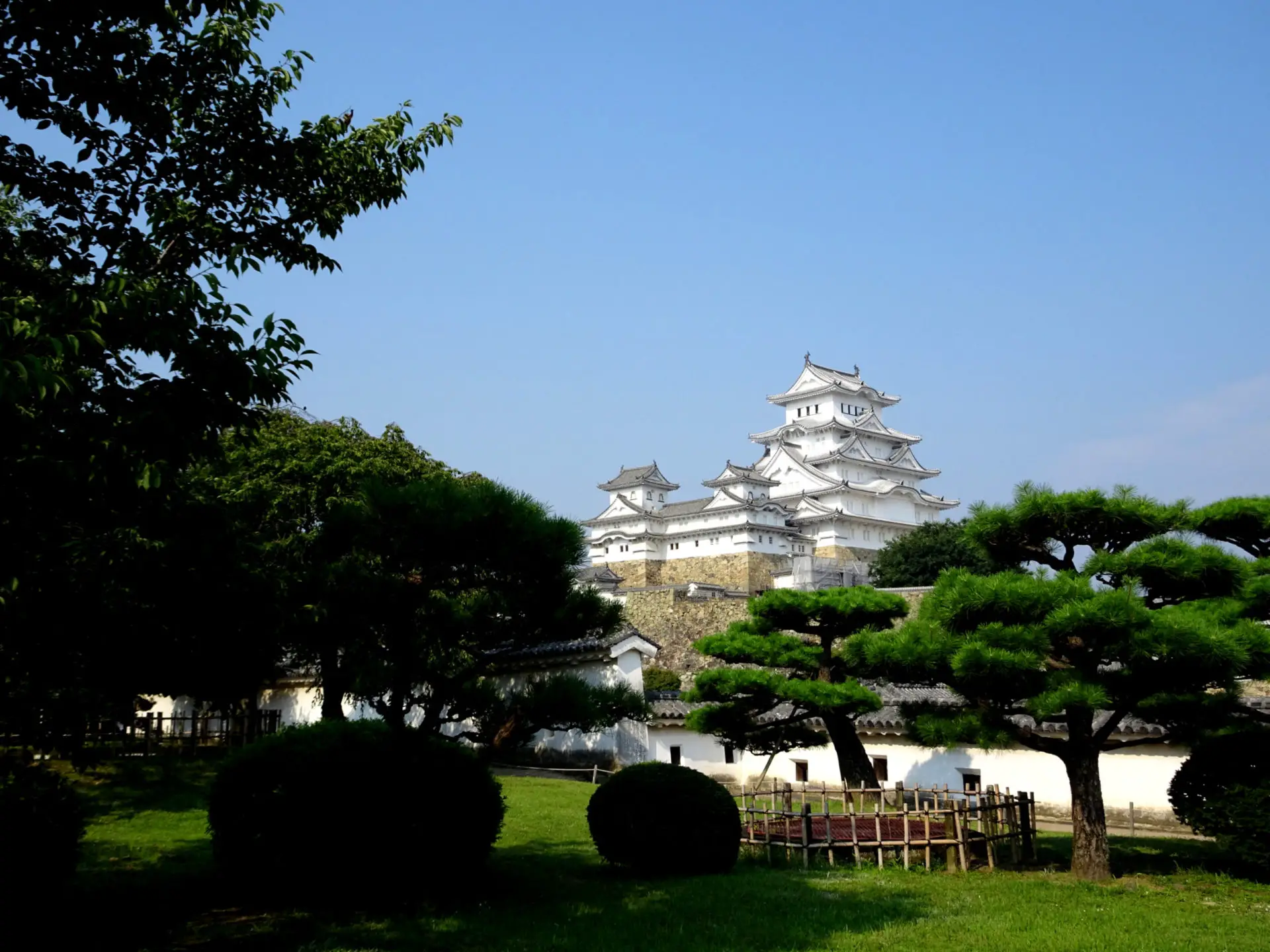
Apart from the floating gateway of Itsukushima Shrine, I’d argue that the white silhouette of Himeji Castle’s keep with its layered roofs and pale plaster walls is the most recognisable landmark in Japan.
It’s one of the country’s most complete surviving feudal castle complex and has been declared both a National Treasure of Japan and a UNESCO World Heritage Site. Apart from that, it has appeared in quite a few movies, like Akira Kurosawa’s Ran and James Bond – You Only Live Twice.
We visited Himeji on our way from Okayama to Kobe and thought its reputation as one of the country’s most beautiful castles to be well-deserved. Here’s everything you need to know about visiting Himeji-jō.

This post may contain affiliate links, and I might earn a small commission at no additional cost to you. For more info, click here.






Guided Tours of Himeji Castle
If you want a better understanding of the history and culture of the place, there are several guided tours of the castle and its surroundings available. You can have a look at some of them below.
What Makes Himeji Castle so Special?
Himeji Castle is not only the biggest castle in the country, but also one of only twelve original ccloserastles in Japan. In this context, original means that the keep hasn’t been rebuilt or transformed after the Edo Period (1603 to 1867).
In a country that is said to once have been home to over 5,000 castles, this is quite a distinction. We visited some other castles among the small list of original ones, including Matsuyama Castle and Kochi Castle on Shikoku, but Himeji-jō’s architecture still impressed us the most.
A Brief History of Himeji Castle
As someone who’s really interested in historical architecture, I always try to understand the cultural context of the places I check out. In Himeji I found it especially worth taking a closer look at some of the details of the castle’s layout to see the traces of its changing use over time.
The first fortifications on this hill were built in 1333 by Akamatsu Norimura, a samurai of the Kamakura period, but at that time, the site was still a relatively small mountain fort. Over the following centuries, various clans expanded and modified the site as political power shifted across Japan.
The castle’s transformation into the enormous complex that’s still there today began after the Battle of Sekigahara in 1600, which was one of the most important turning points in Japanese history.
Following his victory, the Shōgun Tokugawa Ieyasu rewarded his son-in-law Ikeda Terumasa with control of Himeji, who immediately began rebuilding the castle on a much larger scale and constructed one of the most sophisticated fortifications in Japan.
Although the castle looks quite elegant and even delicate, it’s also a really sophisticated military stronghold. If you walk around with open eyes, this is easy to see in the maze-like layout, multiple baileys and confusing network of gates, which were all intended to slow down and expose attackers.
What to See at Himeji Castle
The Outer Castle Grounds
You’ll spot the castle’s dramatic seven-storied keep as soon as you step foot outside Himeji’s train station. If you come from that direction (south), you’ll enter the outer grounds via the low wooden Sakuramon-bashi Bridge that spans the moat.
From there, you’ll pass through the wooden Otemon Gate to Sannomaru Square, which is a large meadow surrounded by cherry trees. It’s used as a public park today, but the shape still follows the original layout of the third bailey, which once was home to some samurai residences.
From there, the sheer scale of the castle really hit us for the first time, with the main keep towering above the surrounding trees and walls. If you turn left, you can follow the path to the ticket office.
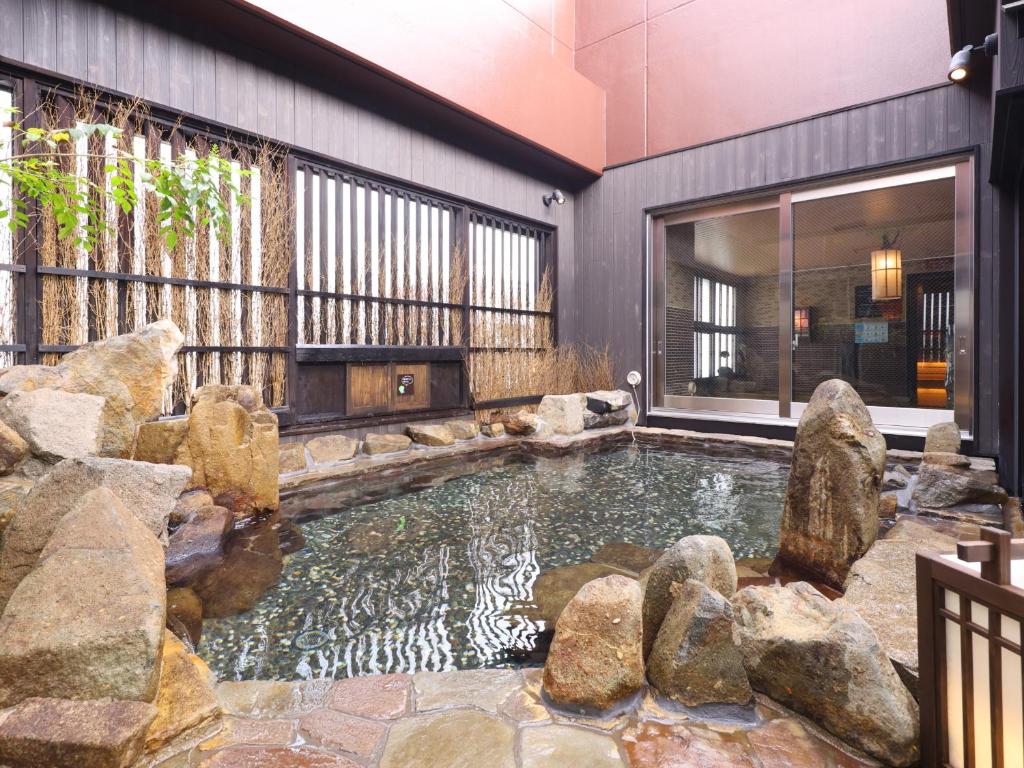
Himeji Hotel Tips
Budget: Himeji 588 Guesthouse
Midrange: Dormy Inn Himeji (pictured)
Luxury: Utakata Hotel Himeji
.
The Approach to the Keep
After getting your ticket, you’ll have to follow a set of stone stairs through a series of gates and narrow corridors, including the Hishi-no-Mon (Diamond Gate), which is the largest of 21 remaining gates in the complex.
On the other side lies Mikuni Pond, which is the last remaining part of a former inner castle moat. From there, the path runs through a series of enclosed passageways, small courtyards and heavily fortified gates. This is a carefully designed defensive maze, which was meant to confuse and slow down anyone who attacked the castle.
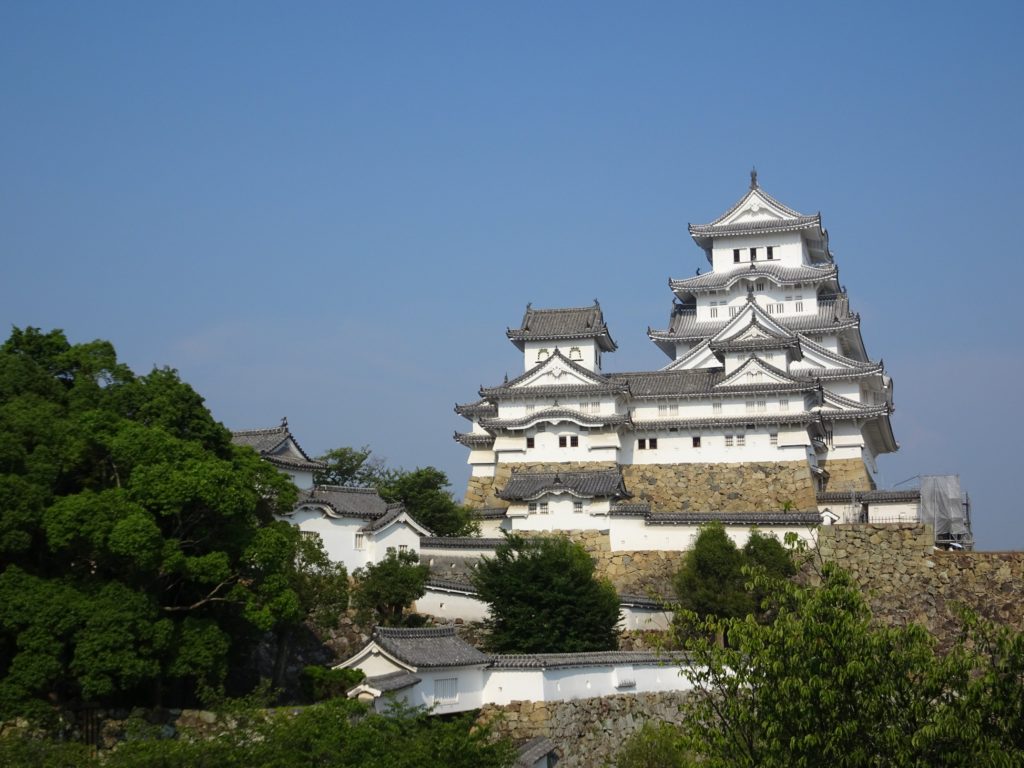
If you pay attention to it, you’ll realize that the defensive system still works quite well today. Several times we assumed we were almost at the keep, only to find ourselves redirected through another gate or around another corner.
There’s a total of five gates along the way, and we also spotted lots of small openings in the walls, which I assume served as arrow slits. After stepping through Hono-mon Gate, you’ve finally arrived at the foot of Himeji Castle’s beautiful main keep.
The Main Keep (Tenshu)
Unlike the other castles we had visited in the country, there’s no exhibition of historical artefacts inside the keep. This means that you’ll mostly walk through empty rooms on your way up the keep.
It also means that there is nothing to distract from checking out the interior layout of the six levels. With a bit of imagination (and some information boards), we were able to kind of imagine life in the castle 400 years ago.
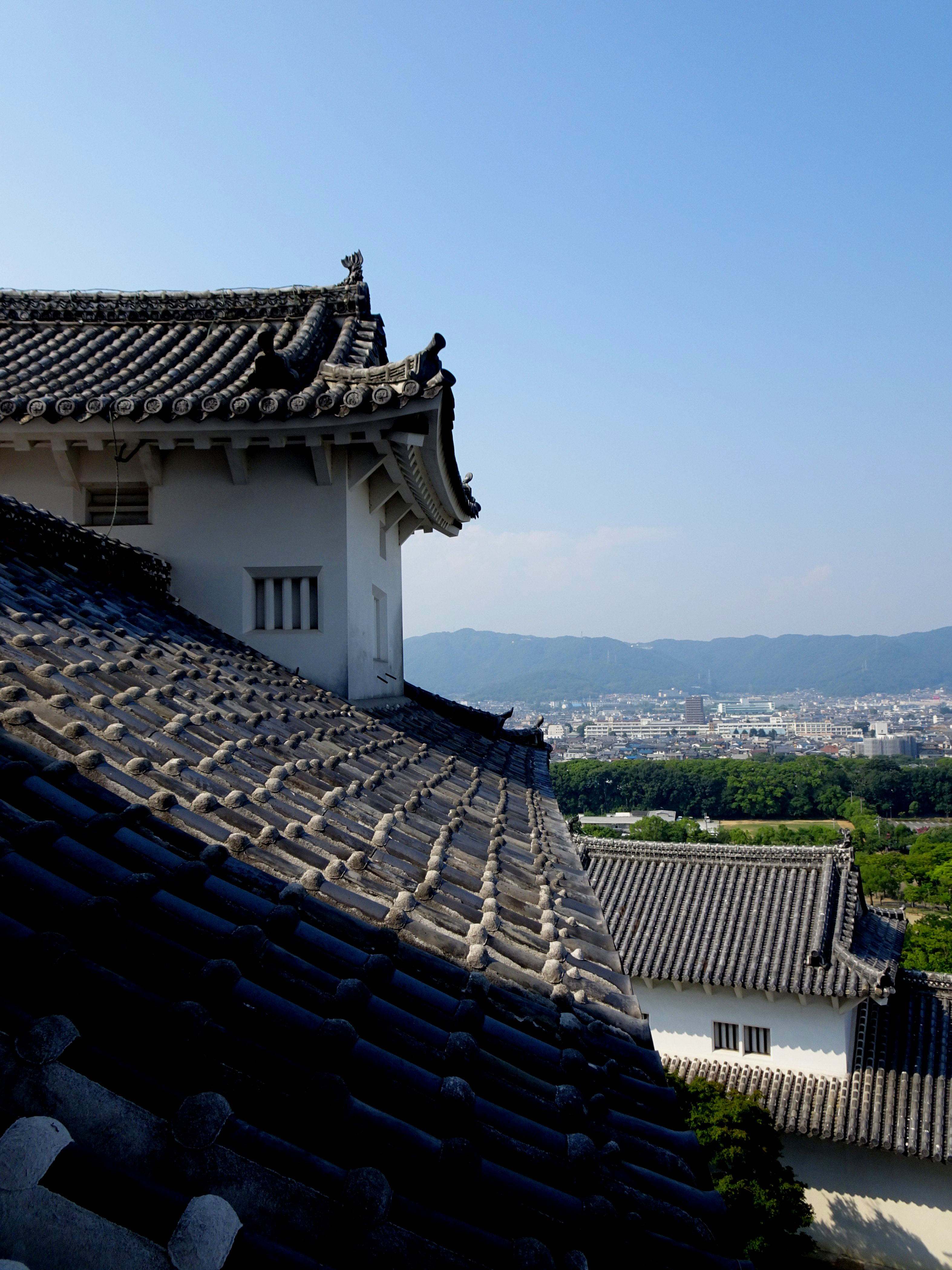
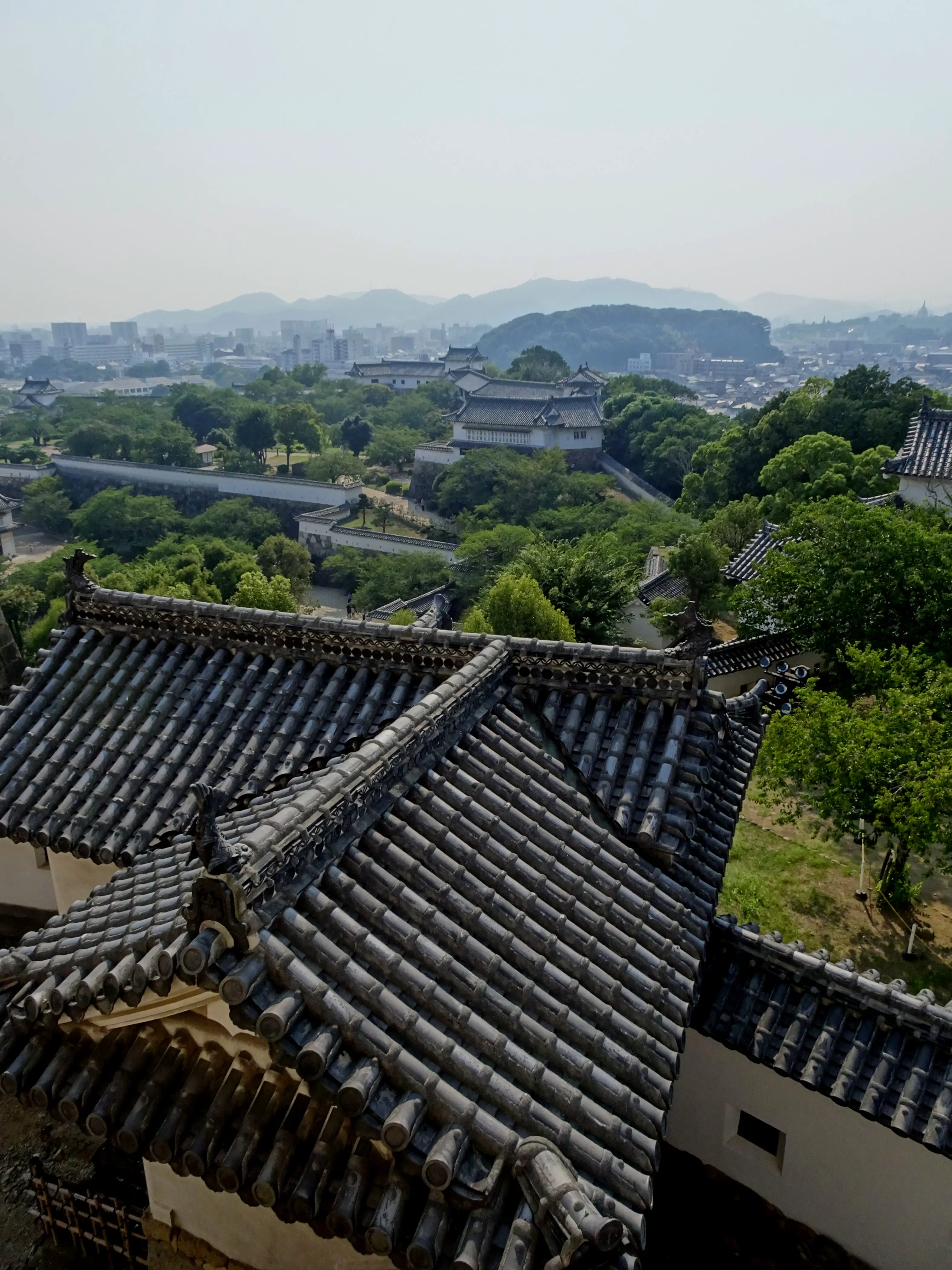
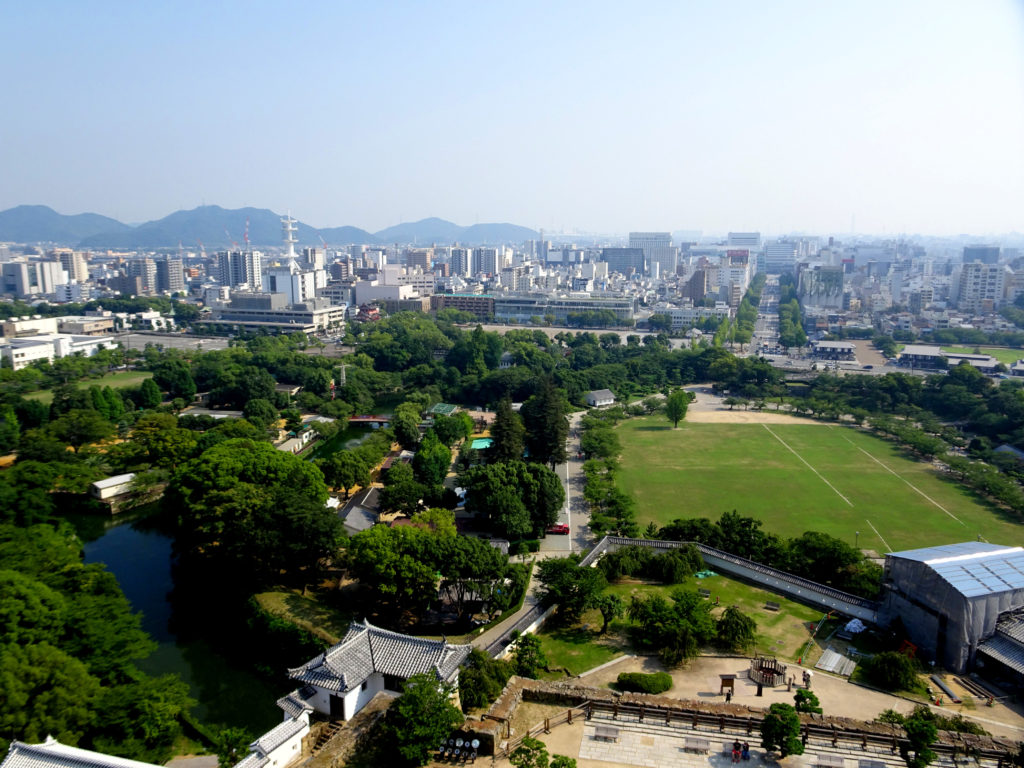
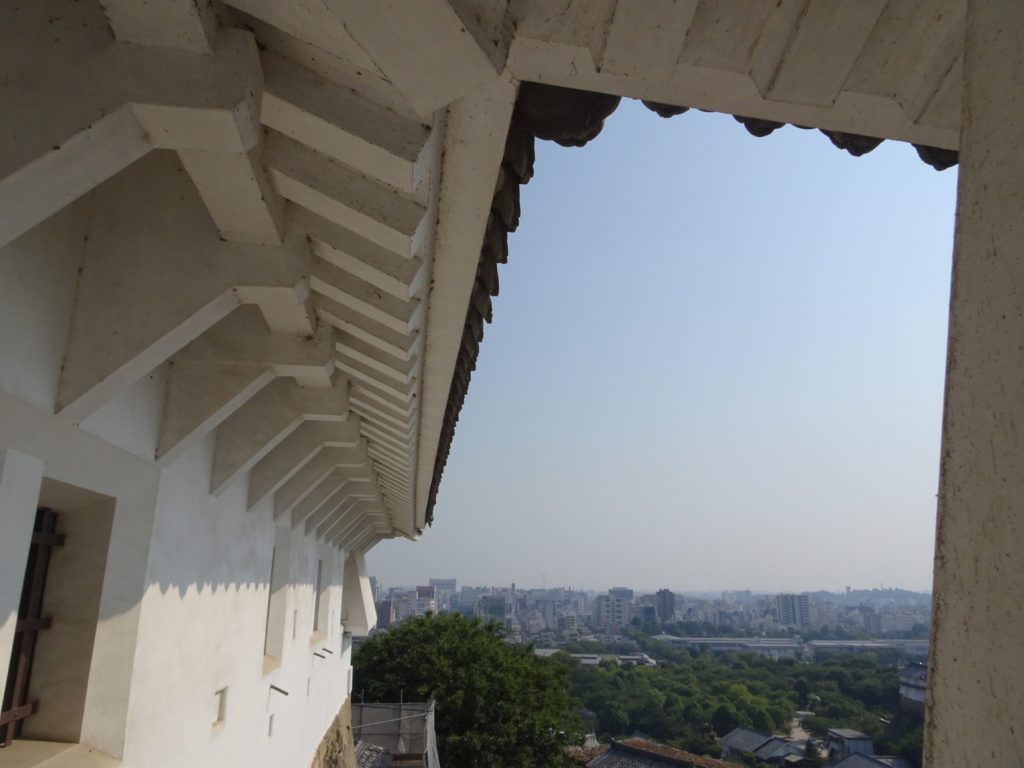
The higher you climb, the lighter and more open the floors become, with wider views through the windows. At the top level, there is a small wooden shrine and through the windows there are some great views of Himeji town in all directions.
We also took the chance here to check out the glazed-tiled roofs from up close. The finials are formed like Shachihokos, which are fish-like mythological creatures who are believed to protect buildings from fire. We spotted them on a lot of other castle roofs in Japan, too.
The Main Bailey (Bizenmaru)
After descending from the main keep, the inner grounds open up again into several larger courtyards, including the main bailey Bizenmaru, which lies directly to the south of the main keep.
Historically it would have contained important administrative and residential buildings connected to the castle’s rulers, but there are hardly any structures left today. Still, we thought it was another good place to appreciate the overall proportions of the main keep.
Nishinomaru Courtyard and Hyakken Corridor
Something you definitely shouldn’t miss is Nishinomaru Courtyard, which lies a bit further to the west at the outer wall of the castle grounds. In my opinion, this area has the best views back to the main keep of the castle, but there was hardly anyone around when we were there.
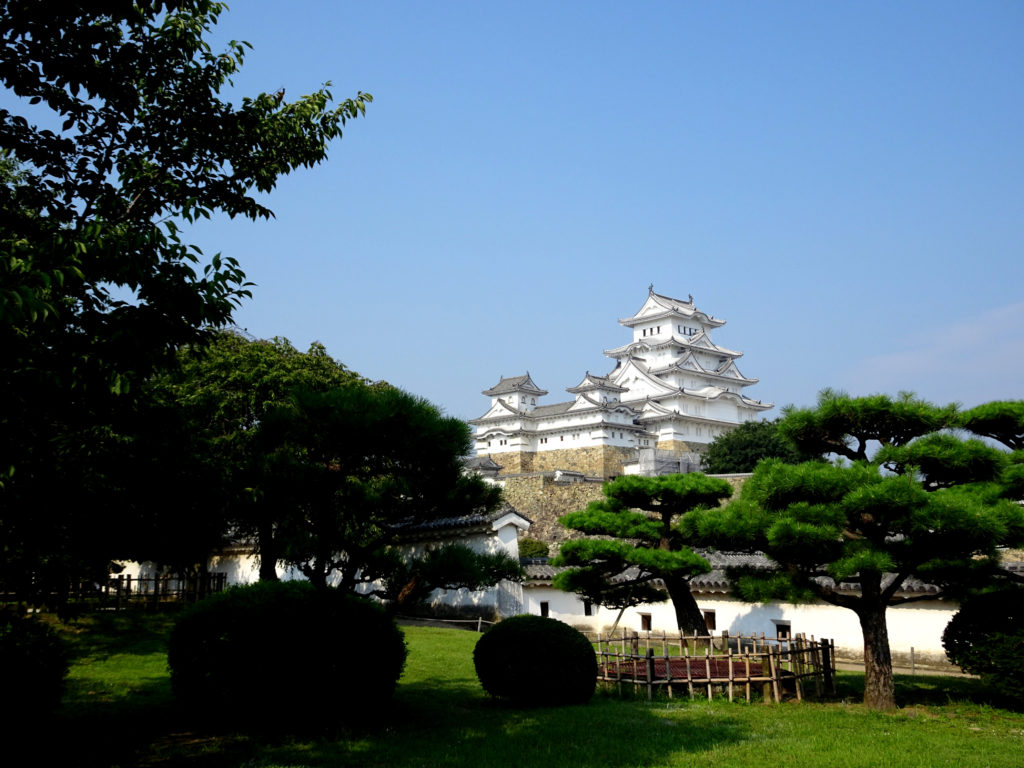
This area once held some important residential quarters, which were associated with Princess Sen, the sister of Ikeda Terumasa (who built the existing version of the castle). The only remaining structure from that time is the covered Hyakken Corridor.
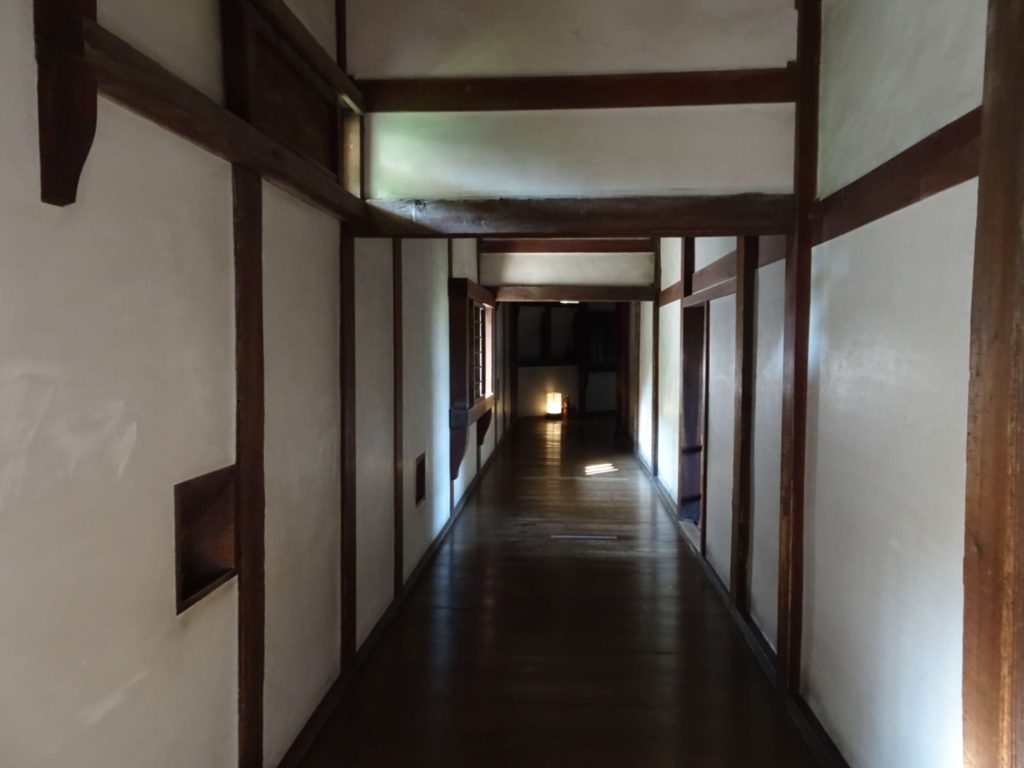
It runs along the western and northern edge of the courtyard and inside are some exhibits that explain aspects of the castle’s architecture and the history of the people who lived here.
Koko-En Garden
Just west of the castle moat lies Kōko-en Garden, which is a landscaped garden complex that was built in 1992 on the former site of the West Residence of Himeji Castle, where there used to be some samurai living quarters.
The garden is divided into several smaller themed sections and each one is designed in a different Edo-period style. Because of that, it’s not a single continuous space, but it feels like moving through a series of connected courtyards with plenty of koi-filled ponds and small pine trees around.
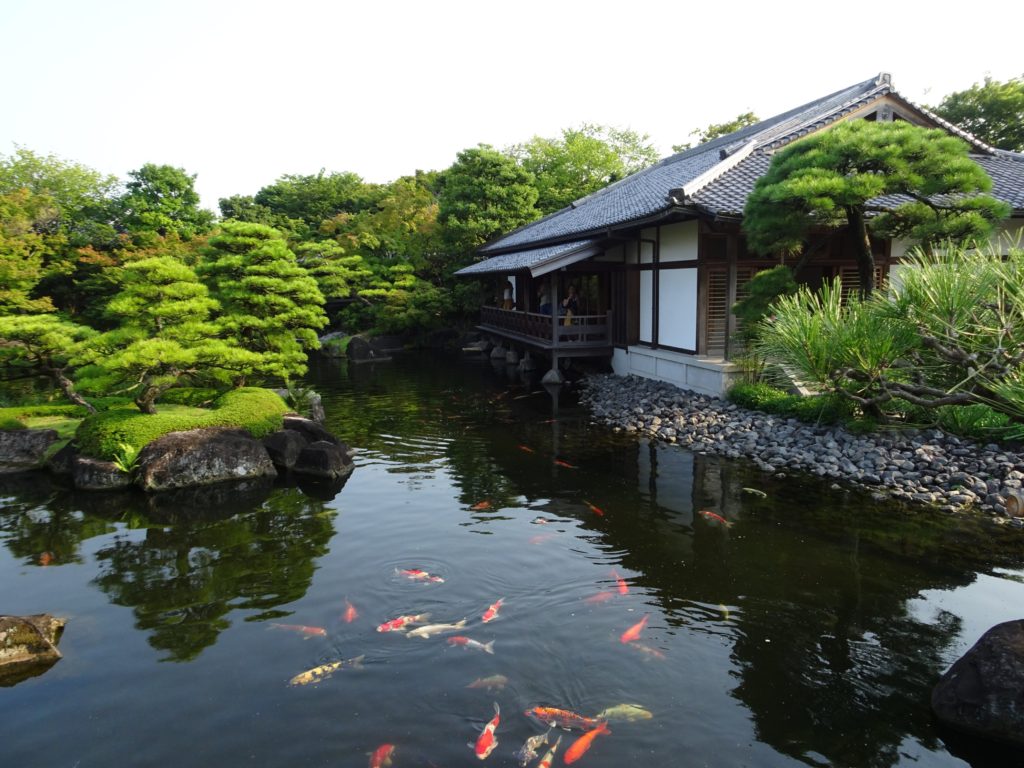
Compared to the castle next door, we hardly met anyone here, which made us enjoy our time here all the more. Kōko-en is directly West of the castle moat close to Sakuramon-Bashi Bridge at the southern end of the complex.
It was open from 9am to 5pm when we visited (double-check the times here) and we simply got a combination ticket with Himeji Castle (see below). If you just want to visit the garden, it’s 400¥.
Map of Himeji
This map of Himeji Castle shows the location of all the important buildings and structures on the castle grounds. I’ve also included the route we took when we visited the castle, which should lead you past all the interesting spots.
Practicalities
How Much is the Entrance Fee to Himeji Castle?
In 2026, they raised the entrance fee to a pretty hefty 2,500¥ (previously it was 1,000¥).
I think I would still visit even with the new prices, but I can’t recommend it as unreservedly as I would have before this baffling 150% price increase, especially as the castle is most impressive from the outside.
If you do decide to visit, definitely get a combination ticket to the castle and nearby Kōko-en Garden for 2,600¥, which is beautiful and 100% worth the small extra amount of money.
Opening Times
The castle is open daily from 9am to 5pm with the final entry at 4pm. Double-check the times here.
When to Visit Himeji Castle
This is one of the most popular sights in Japan, so I highly recommend that you get here either at opening time or shortly before it closes (plan at least 1.5 hours, though). It’s also a good idea to come mid-week and to avoid national holidays. There’s a ‘congestion forecast’ on the official castle website.
How to Get to Himeji Castle
You can easily reach Himeji Station by train from all bigger cities in the area, including Hiroshima (about 1 hour) to the west and Shin-Kobe (about 15 minutes), Shin-Osaka (about 30 minutes) and Kyoto (about 45 minutes) to the east.
To get to the castle from the train station, you’ll just have to walk for about 15 minutes north along Otemae Street.
Where to Stay in Himeji
We didn’t actually stay in Himeji, as we visited the castle on the way from Okayama to Kobe, but the centre of town between the castle and the train station has plenty of cheapish guest houses with good reviews, like Himeji 588 Guesthouse.
There are also lots of midrange options, like Dormy Inn Himeji and a few well-rated luxury choices, like Utakata Hotel Himeji.
Where to Go Next
Okayama, Capital of Japan’s “Land of Sunshine”
Naoshima, the quirky Art Island in the Seto Inland Sea