Miyajima Island seems to be on a lot of people’s Japan itineraries because of the historical Itsukushima Shrine and its world-famous floating gateway. It’s a beautiful place for sure, but in my opinion there are many other cool places that make it worth sticking around on the island a little longer.
For one, there are plenty of pagodas and temples in pretty natural surroundings full of the island’s famous tame deer. Apart from that, I can recommend hiking up Mount Misen for some amazing views of Hiroshima Bay.
As almost everyone else just seemed to flock to Itsukushima Shrine, most of these other places were so much quieter and more peaceful when we visited. Here are my suggestions of the best things to do on Miyajima.

This post may contain affiliate links, and I might earn a small commission at no additional cost to you. For more info, click here.
Guided Tours of Miyajima Island
If you want to explore the island with a local guide, there are several Walking Tours or Rickshaw Tours of Miyajima available. There’s also a Sea-Kayak Tour in the area of the shrine and torii, which is aimed at both beginners and more experienced kayakers. You can have a look at some more tours below.
What to See and Do on Miyajima Island, Japan
Itsukushima Shrine
It’s not really possible to make a proper list of places to see on Miyajima without at least mentioning the beautiful Shinto shrine that the island is most famous for. The pretty sea-side location and the unreal sight of its torii, which seems to float on the water at high tide, make it a definite must-see on the island.
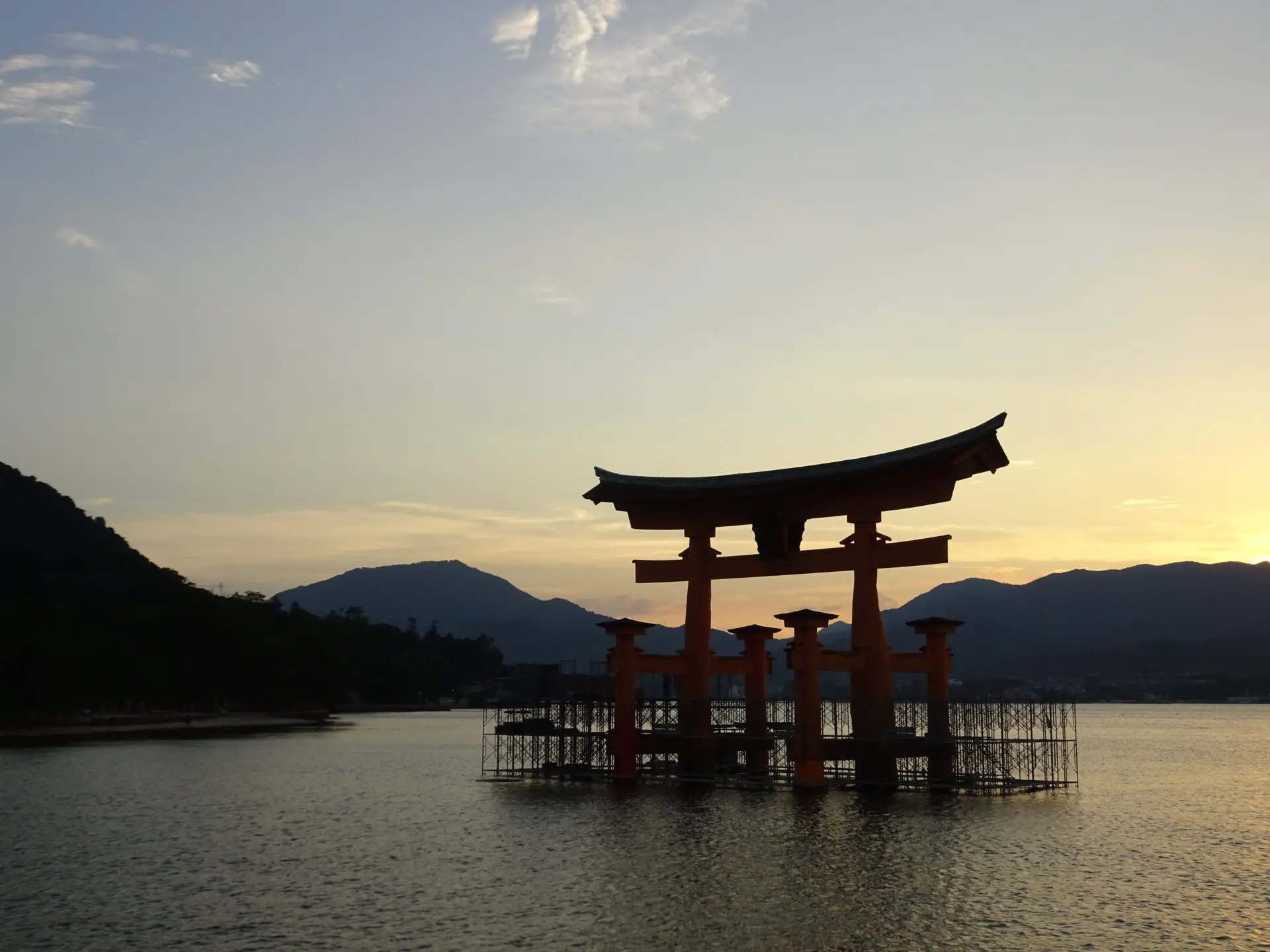
The shrine is a UNESCO World Heritage Site and a National Treasure of Japan, and the view over the bay is one of the classic “Three Views of Japan“.
It’s best to come here at high tide, when all the buildings are reflected in the water. You can check the tide tables here and the current opening times of the shrine here. The entrance fee is 300¥ (or 500¥ if you also visit the worthwhile Treasure Hall).
See Also: What to Know About Visiting the Magnificent Itsukushima Shrine, Japan
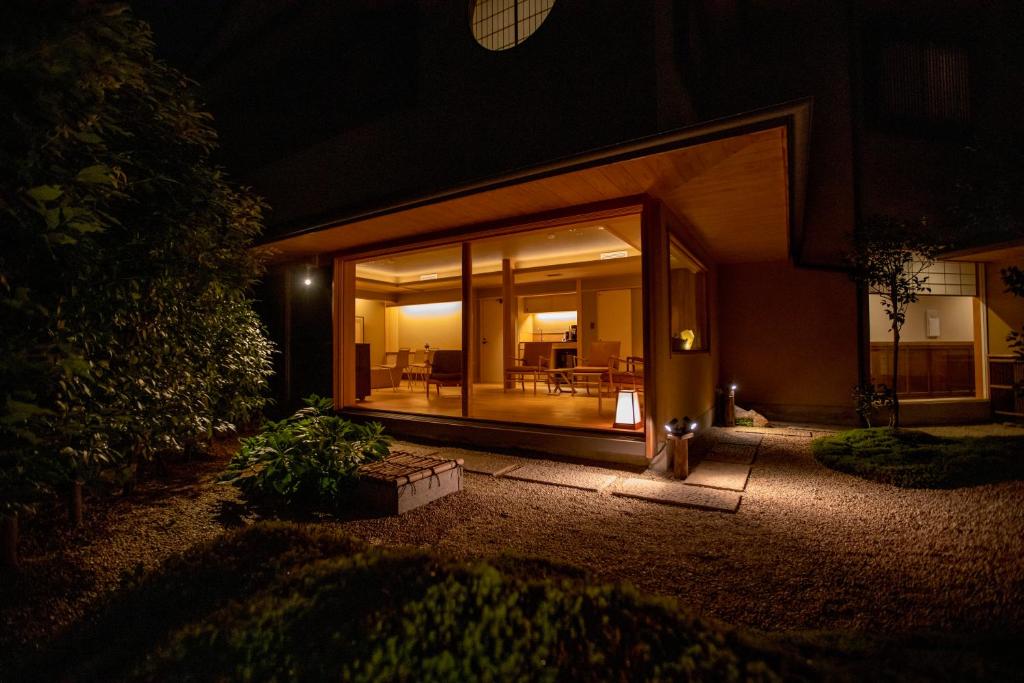
Miyajima Hotel Tips
Budget: Sakuraya
Midrange: Itsukushimahigashimonzen Kikugawa (pictured)
Luxury: Sion Hotel
.
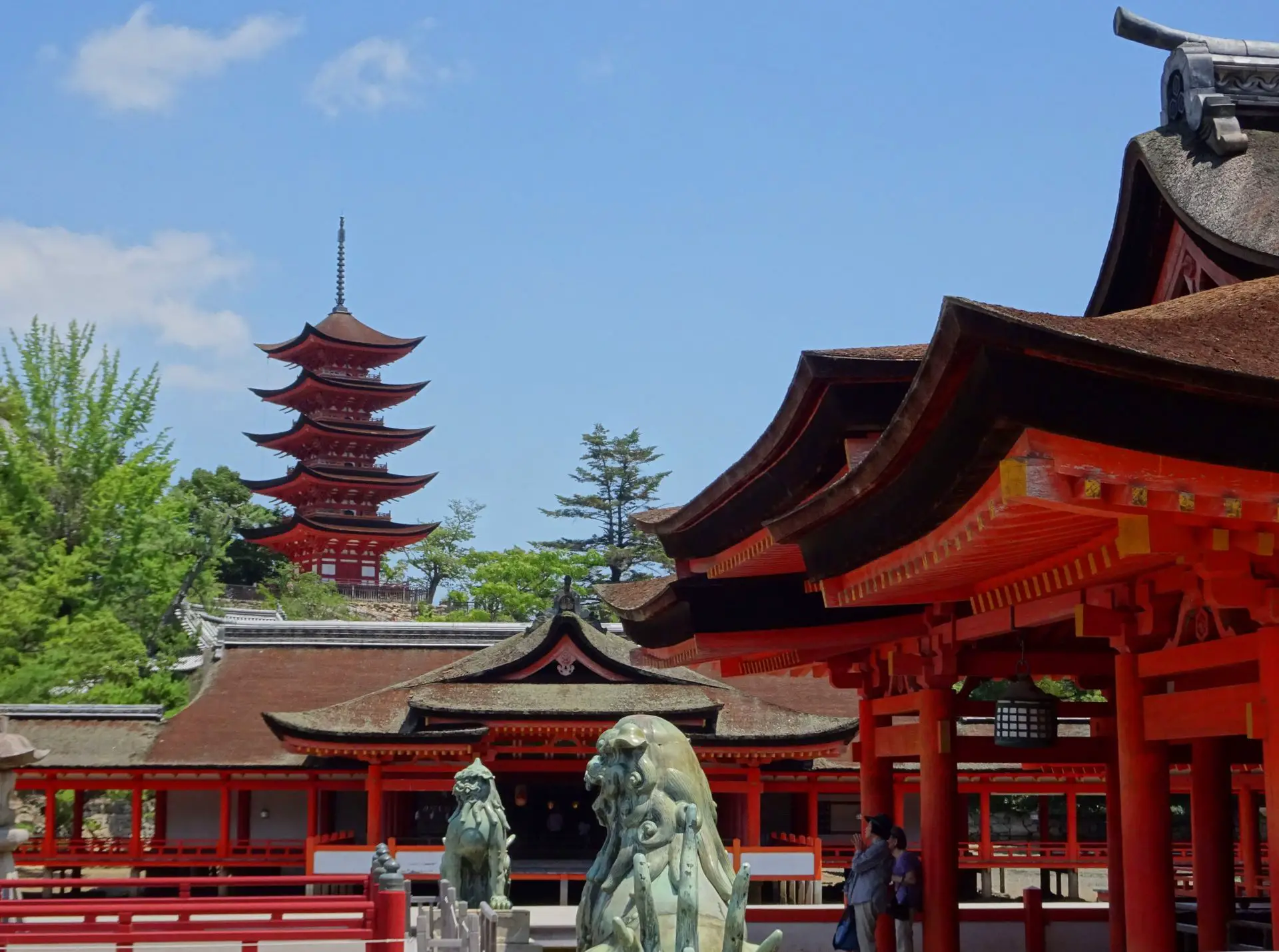
Senjokaku Pavilion and Gojunoto Pagoda
This huge wooden hall (which is actually a shrine building dedicated to the soul of its founder Toyotomi Hideyoshi), sits directly to the north of Itsukushima Shrine. Its name translates to “1,000 Mat Pavilion”, because it’s supposedely big enough to fit as many tatami mats.
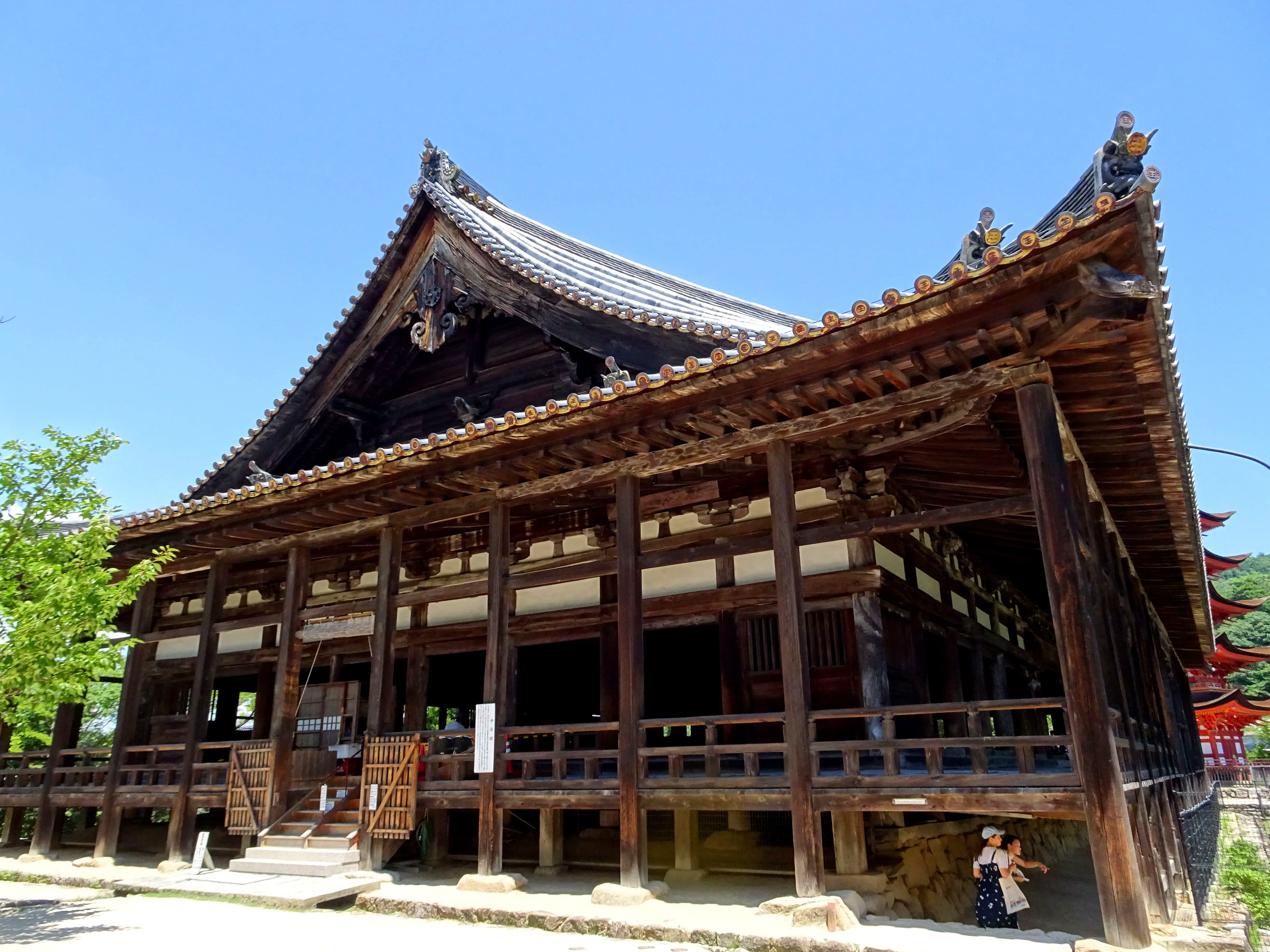
The shrine was begun in 1587, but never completed in the way that Hideyoshi planned, because a different dynasty took over after his death. We found it impressive, nonetheless. A little detail we liked were the interesting historical paintings on the wood in between the rafters.
Directly to the east of the pavilion sits a brilliantly red five-storied pagoda from the early 15th century that we also found worth checking out. The entrance fee to Senjokaku Pavilion is 100¥.
Daigan-ji Temple
Daigan-ji is a Buddhist temple that dates to the 13th century. The monks living here used to be responsible for the repair and reconstruction of Itsukushima Shrine, which needed to happen quite often, because of the destructive salt water.
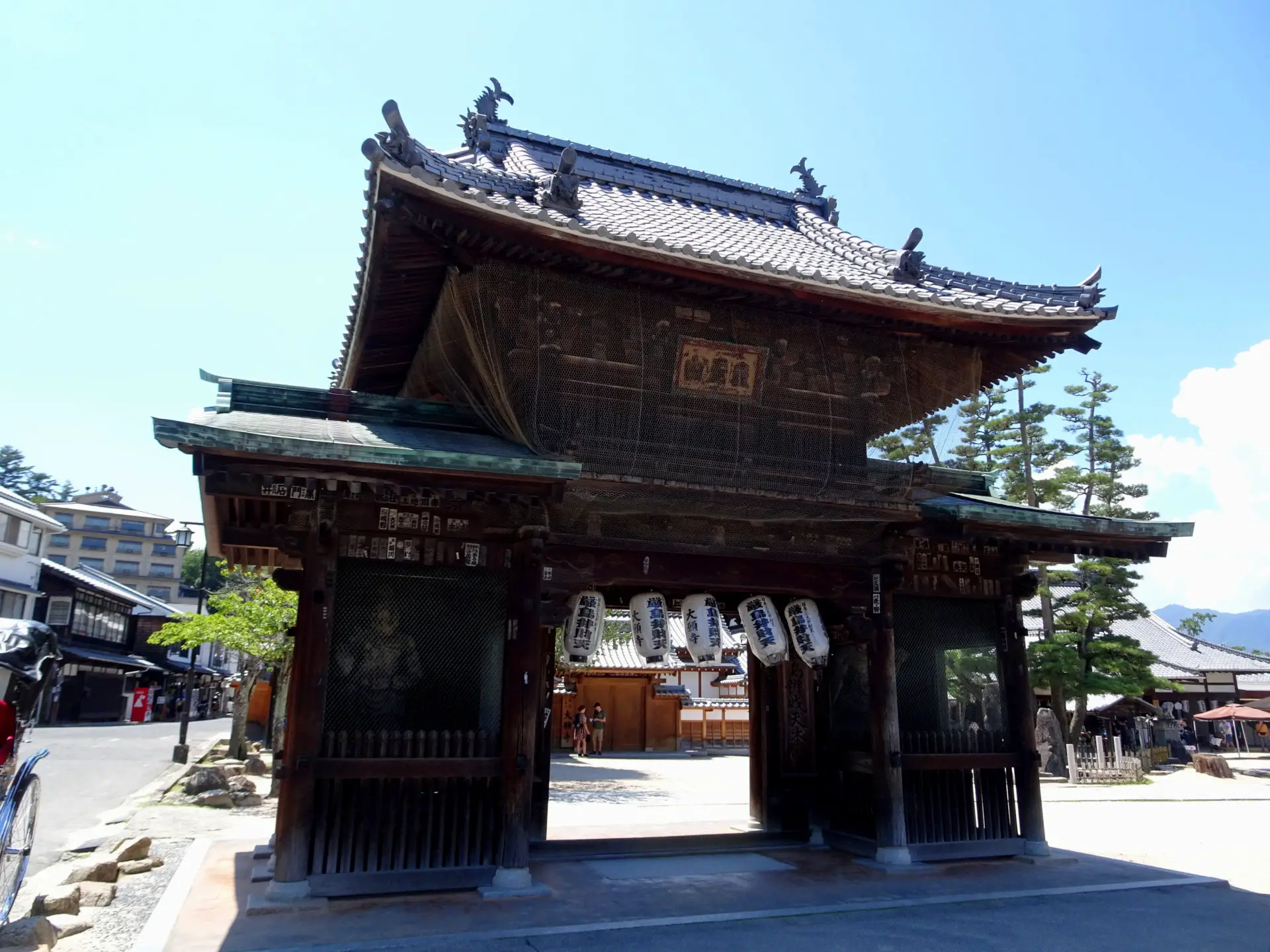
The temple is dedicated to Benzaiten, the Goddess of eloquence, wisdom and music. We spotted some really impressive wood carvings in the temple, but especially on the old wooden gateway leading there.
The temple sits directly west of Itsukushima Shrine’s Treasure house. When we were there, it was open from 8.30am to 5pm, but you can double-check the current times here. There’s no entrance fee.
Daishō-in Temple
Apart from Itsukushima Shrine, this fascinating Buddhist temple at the northern foot of Mount Misen was probably our favourite sight on Miyajima. There are lots of interesting buildings and many unusual details in the beautifully manicured temple grounds.
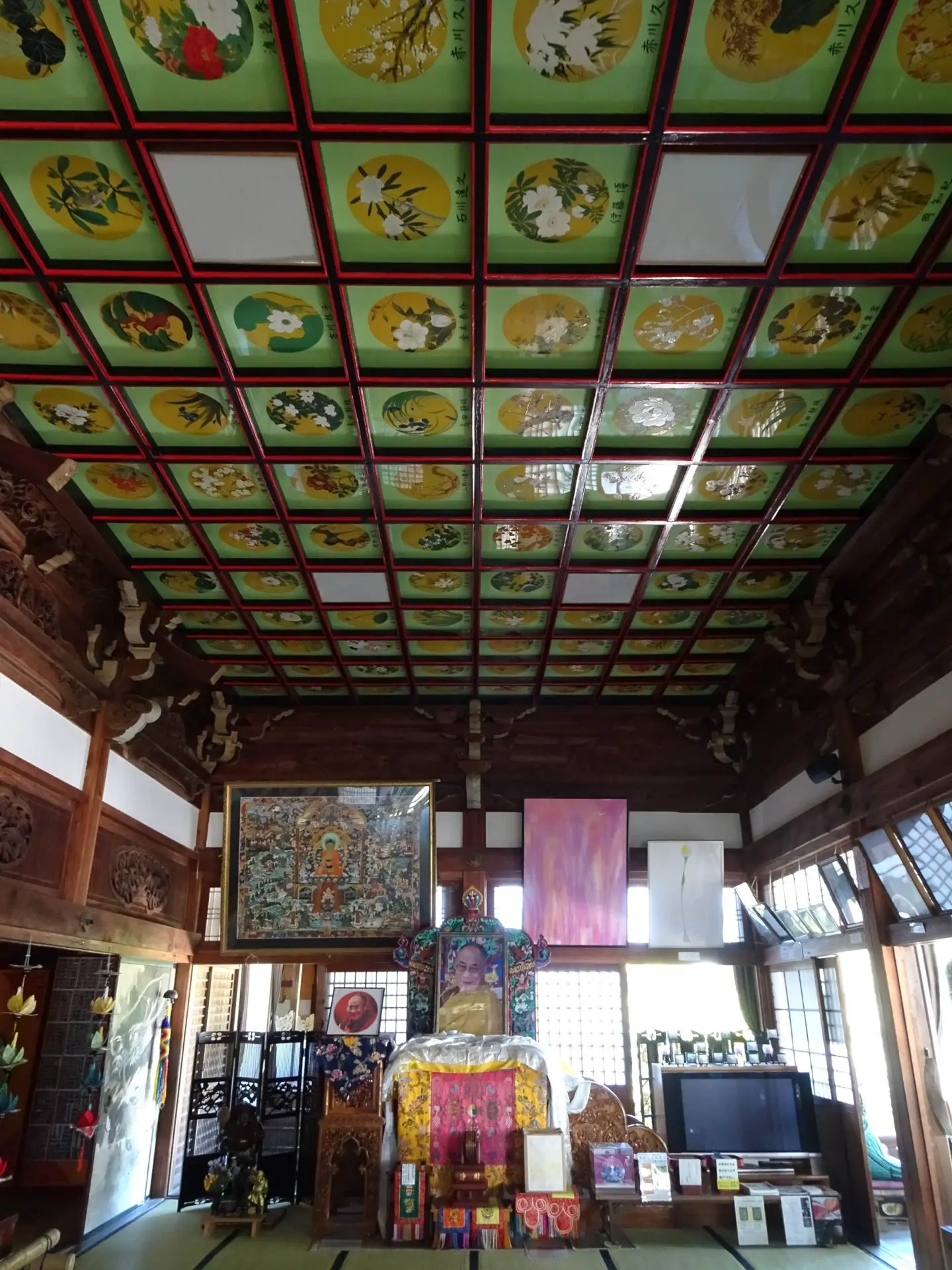
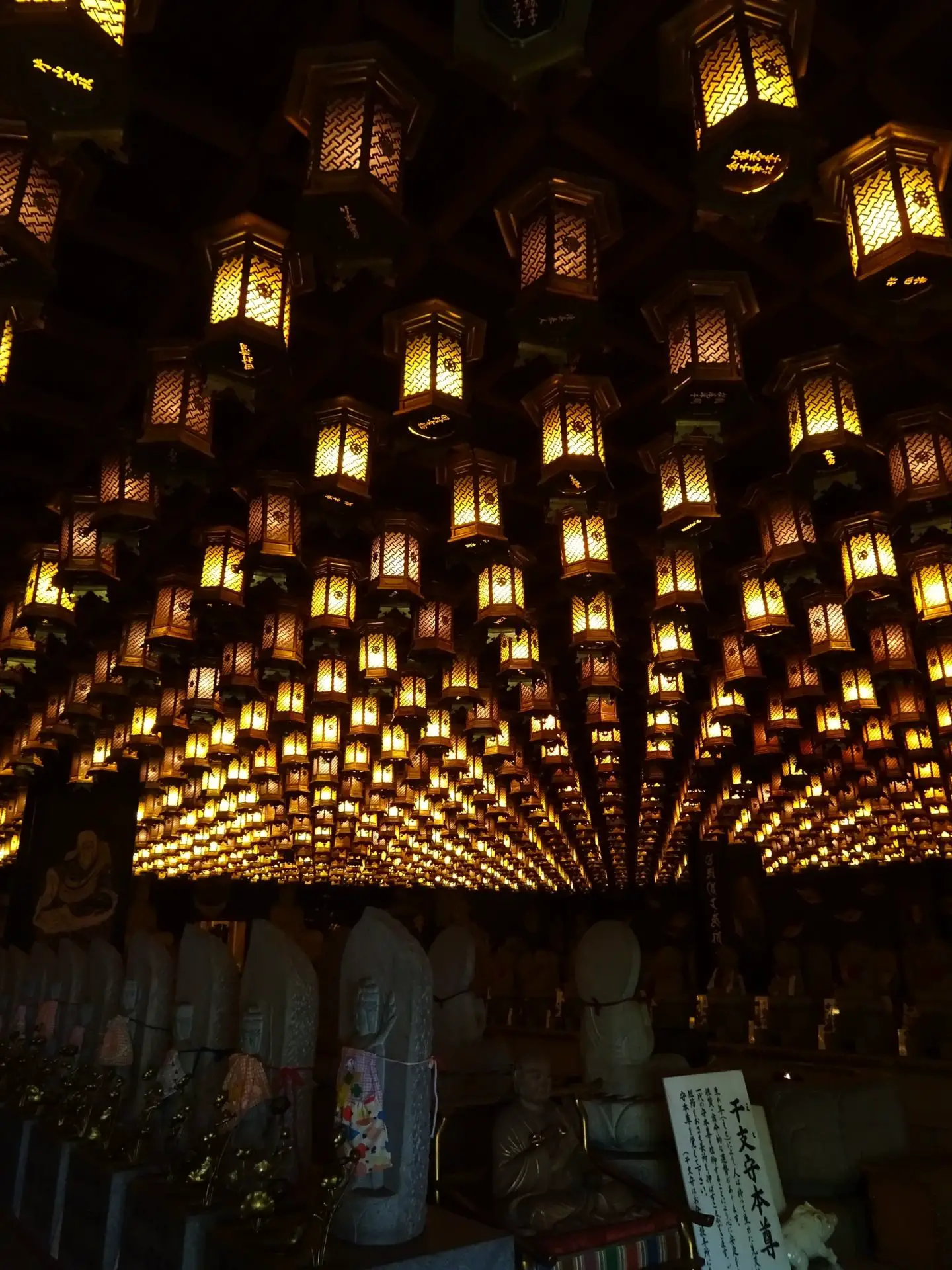
My personal favourite was Henjokutsu Cave, which sits underneath the southernmost temple, and is illuminated by hundreds of lanterns hanging close by each other. Below them are stone idols from all 88 temples of the Shikoku Henro Pilgrimage.
We also liked the Kannon-do Building, which has a glazed coffered ceiling and lots of stylistic elements from Tibetan Buddhism, including pictures of the Dalai Lama and a beautiful mandala. It’s the big building on your right once you enter the complex.
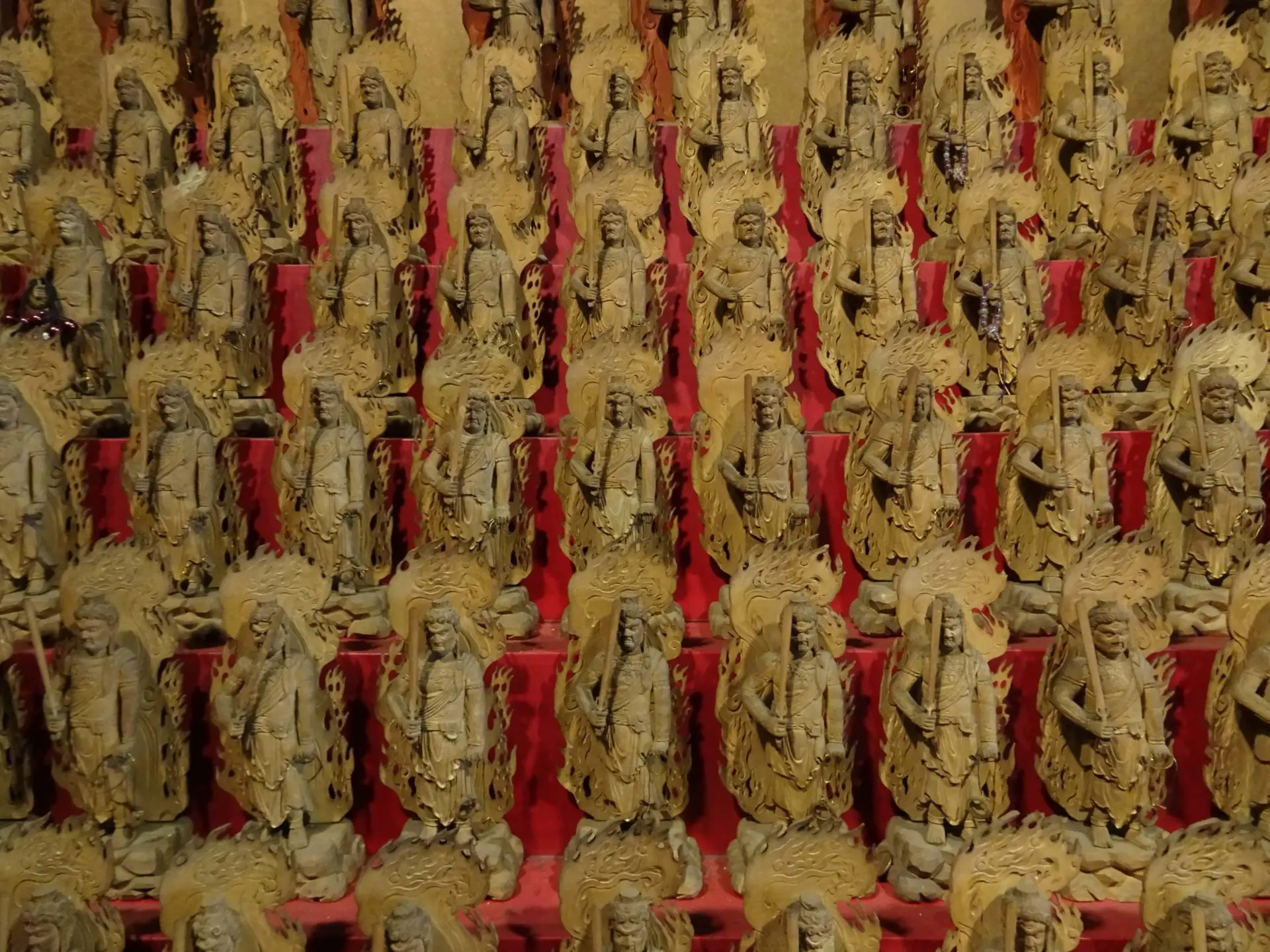
Another place you should check out is the smaller building on the southern side of the same courtyard, which has thousands of images of Fudo Myoo, an important protective deity, who is said to destroy ignorance and burn away material desires.
Directly to the south there’s a small round pavilion surrounded by water, which has statues of the “Seven Lucky Gods of Miyajima” inside. There are many other cool details here, so it’s worth taking your time exploring the place.
You can get to the temple by following the road south at the intersection near the exit of Itsukushima Shrine. When we visited, the temple was open from 8am to 5pm (double-check the times here). There was no entrance fee.
Miyajima History and Folklore Museum
This small museum is located in an old merchant’s residence and has some interesting exhibits on both the position of the island within the larger historical framework of Japan and the daily life of its former inhabitants.
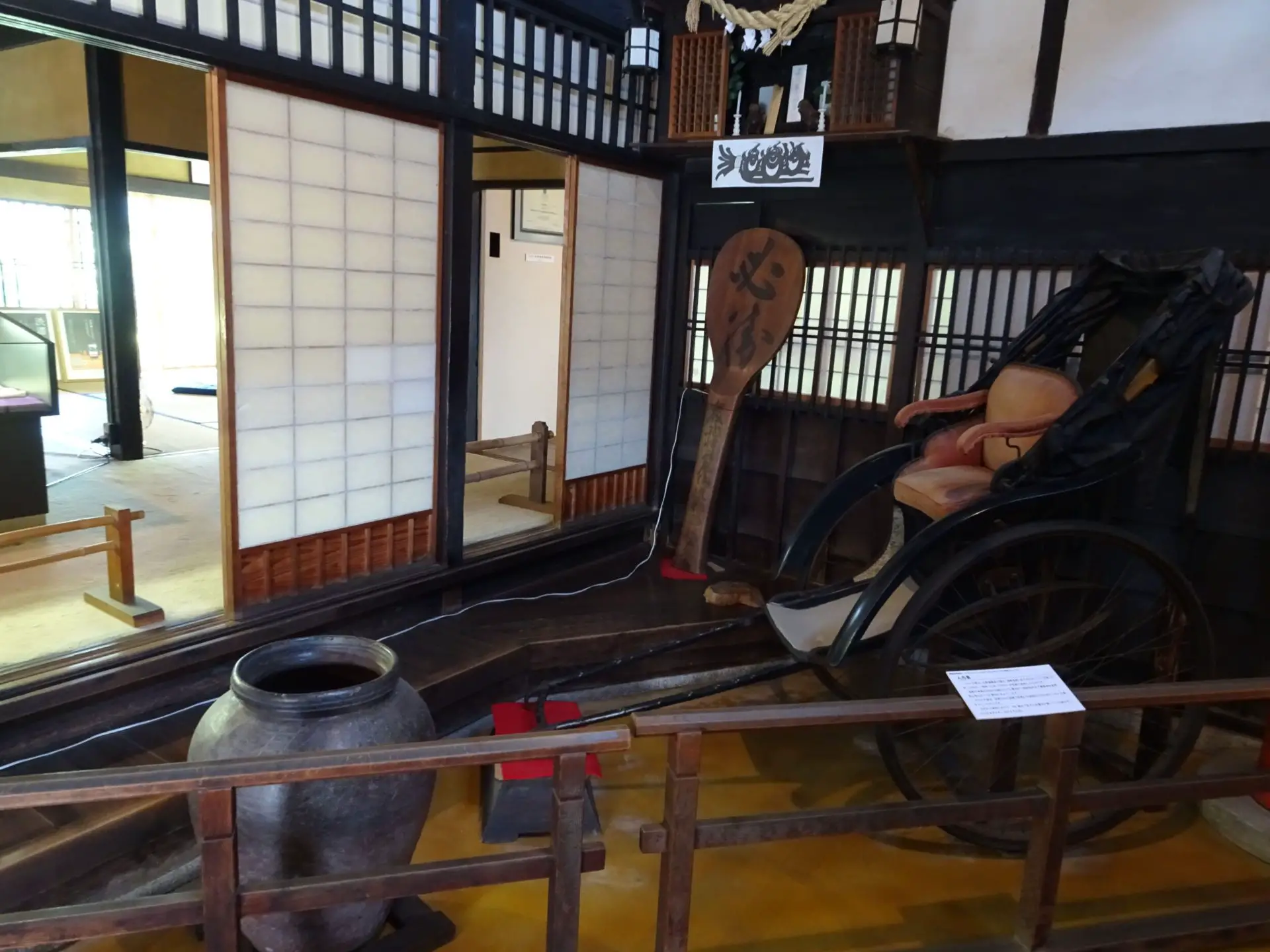
The building itself was constructed in the late Edo period in the mid-19th century, and most artefacts come from that time. The most interesting part for us was the front section with the preserved living quarters of the merchant family
We also liked the small garden in the courtyard with a tiny Koi pond. The entrance fee was 300¥ and you can check the current opening times here.
Taho-To Pagoda
This cute little red-painted two-storey pagoda dates to the early 16th century and stands on a little hill south-west of Itsukushima Shrine. It’s far from a must-see, but I think it’s worth dropping by after visiting the shrine.
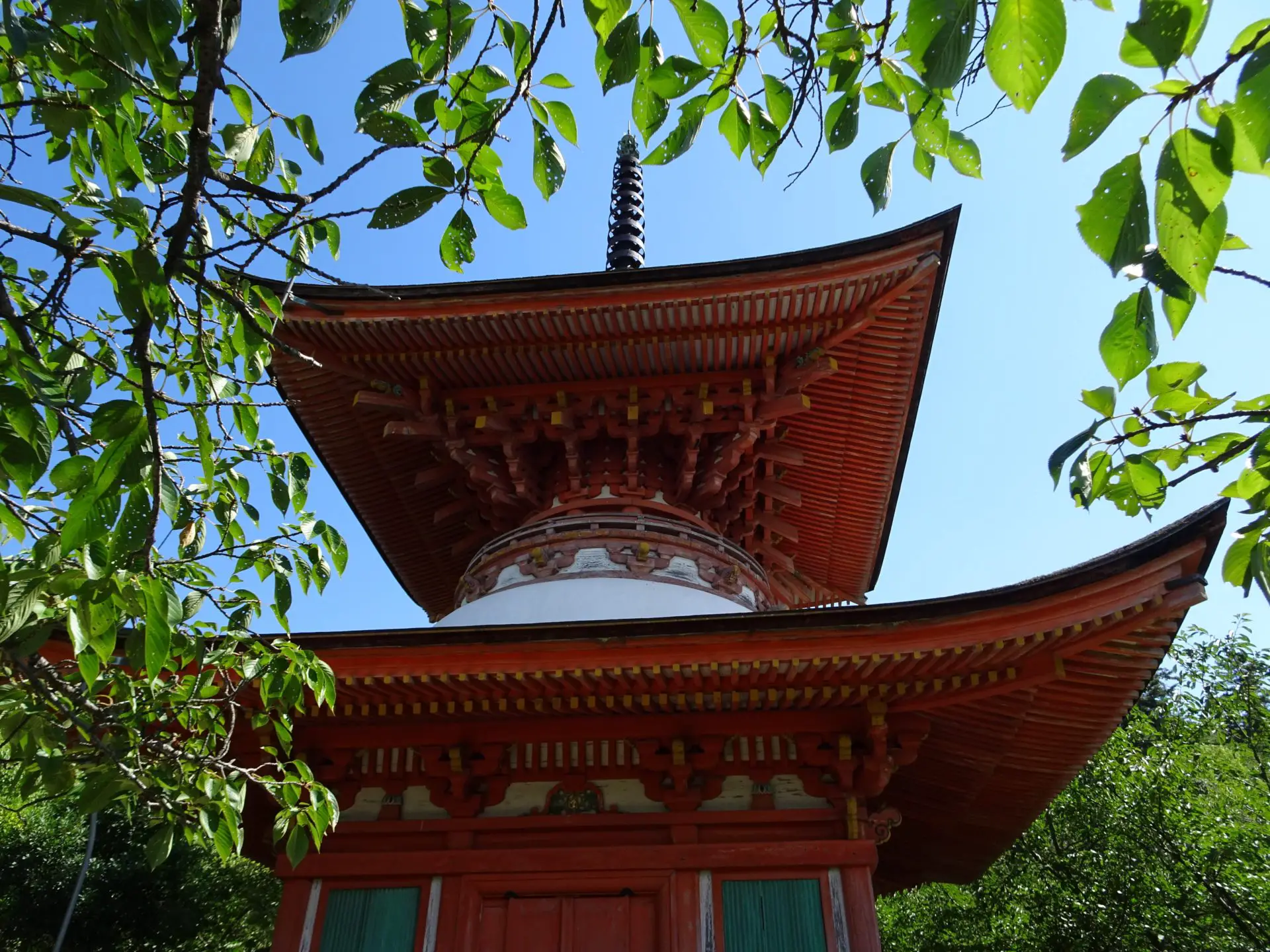
To get there, walk a couple of meters west from the exit of Itsukushima-jinja and then follow a set of stairs up the hill.
Hiking on Mount Misen
With 535m or 1755ft., Mount Misen is the island’s tallest mountain and from the top there are some really good views down to the coast. There’s a hiking path leading up the northern slope, which starts at the eastern side of Daishō-in Temple, or you could simply take the ropeway.
To get to the latter, you’ll need to follow the road along the small canal that flows behind Itsukushima Shrine to the south-east and cross the cute Momijidani Park. The Ropeway runs from 9am to 4pm (Check the current times here) and costs 1,100¥ one way or 2,000¥ return.
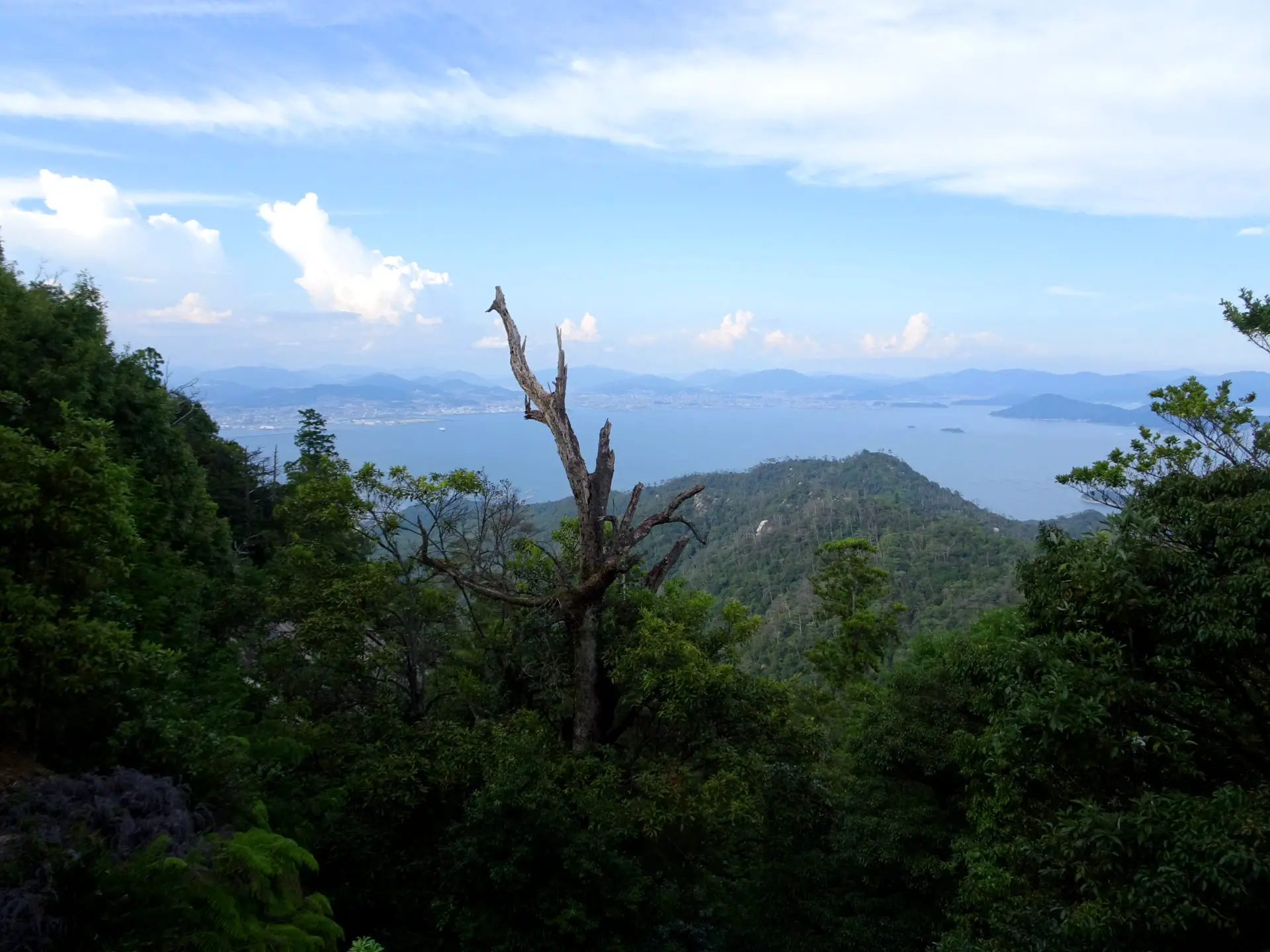
We took the ropeway up and walked down, which I think is the best way to do it. On the way up, you’ll have to change ropeways and the second leg has some fantastic views down to the northern and eastern sections of the island and across Hiroshima Bay.
There’s a small viewpoint to the south and east (called Shinhishiiwa Viewpoint) near the upper terminus of the ropeway, which you should check out before following the path west for about twenty minutes to Misen Honda Shrine.
Here, there are some interesting historic wooden buildings and an Eternal Flame, which is said to have been lit by Kobo Daishi, the always restless founder of Shingon-Buddhism in the 9th century.
If you follow the trail for another five minutes, you’ll come to the top of Mount Misen, where you can climb up the rocks for some great views all around.
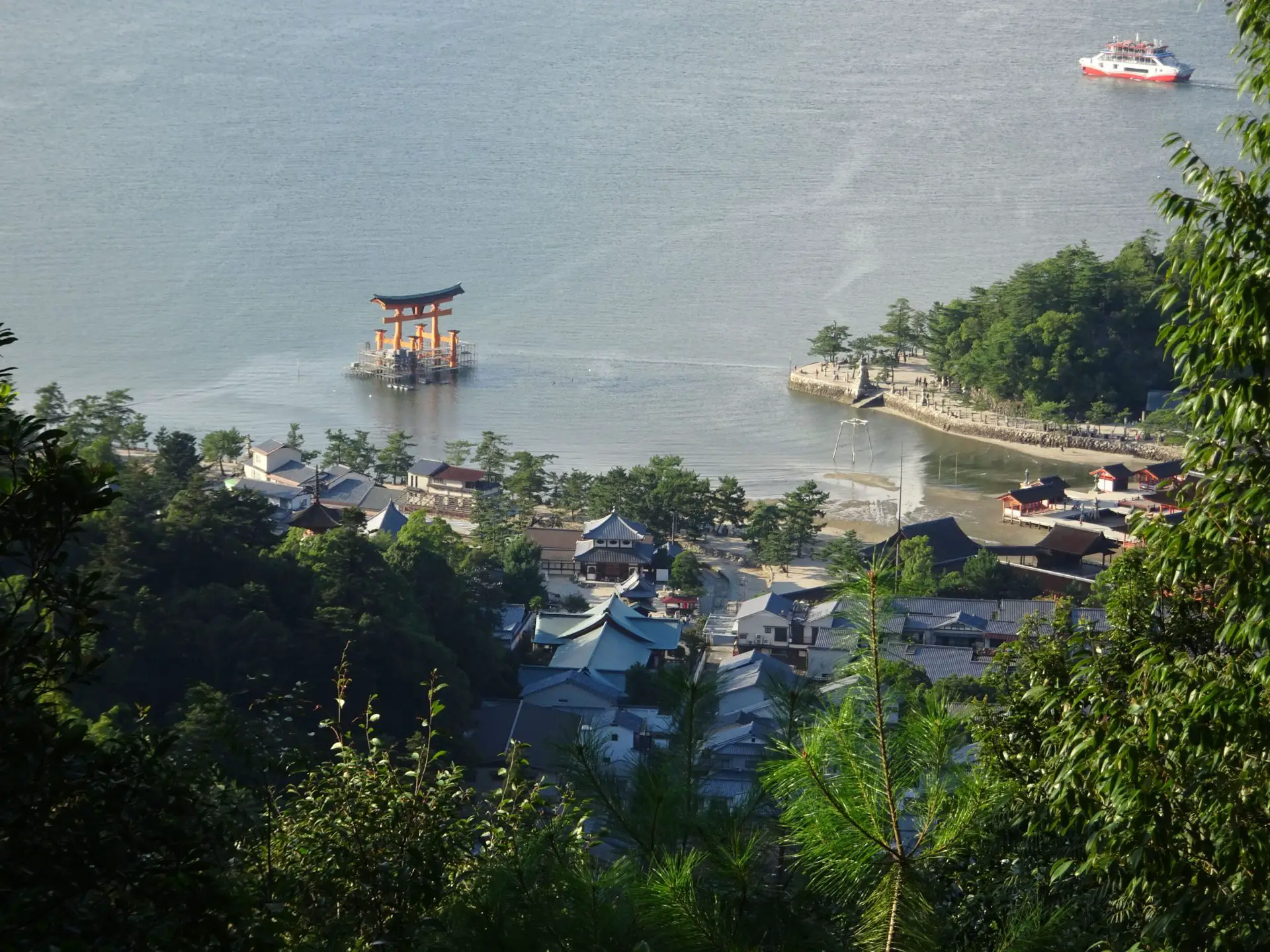
Back at the Misen Honda Shrine, you can follow the path west and turn north at the intersection to make your way down the slope of the mountain with some nice views of Itsukushima Shrine and its torii. The trail ends near Daishō-in Temple.
The hike from the ropeway to the top of Mount Misen and back down to the village is only about 4km or 2.5 miles. The entire loop took us about 90minutes from the moment we stepped into the first ropeway.
The Deer of Miyajima
To some people we saw, the tame deer walking around the promenade seemed to be the actual star attraction of the island, and it’s easy to see why. The tame Sika Deer were considered sacred animals and for that reason were even allowed to roam the island back when most humans weren’t.
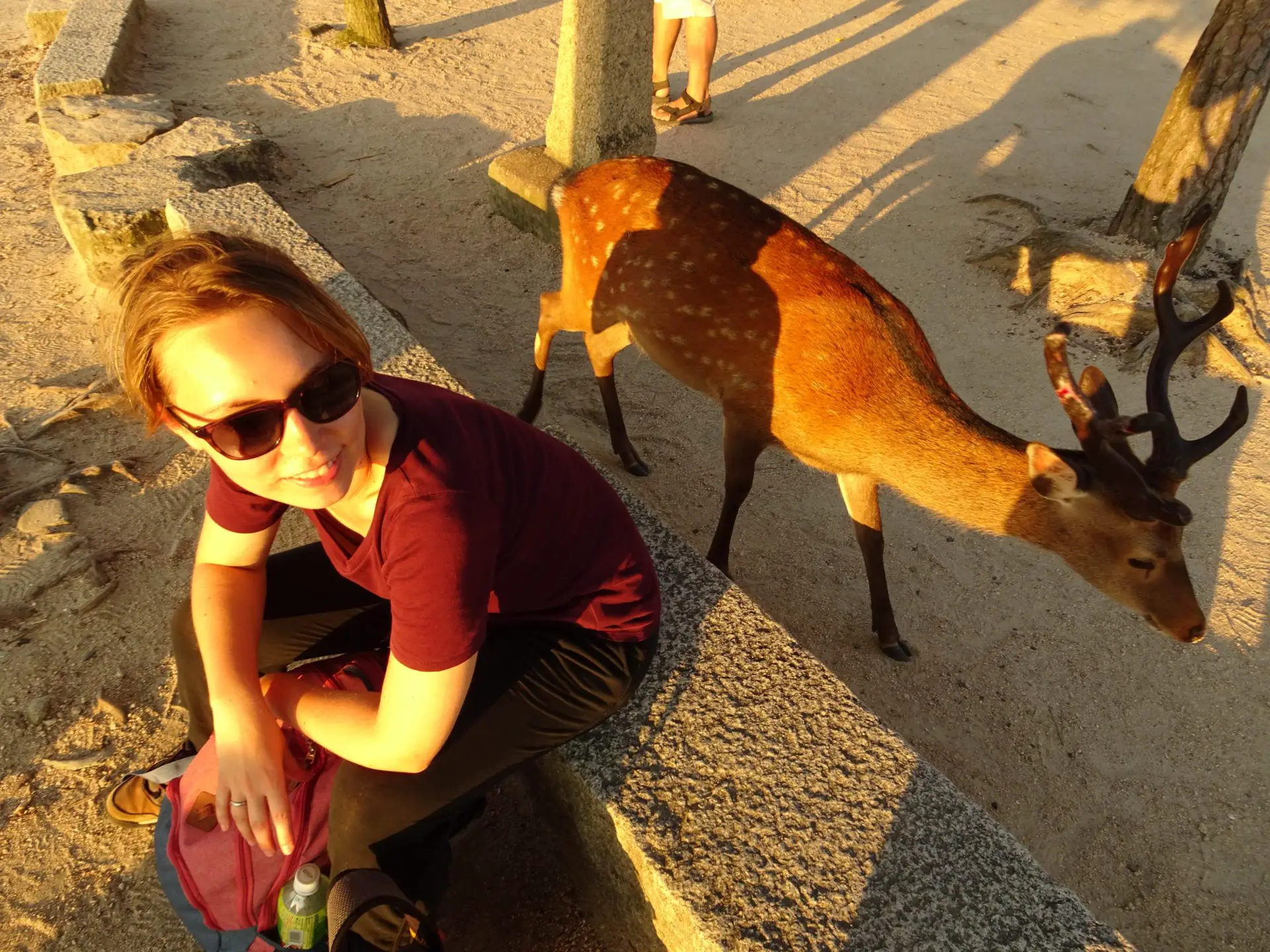
We found them to be a little more docile than the deer in Nara, but you should still make sure to keep your belongings close to you, as we actually saw one eat some guy’s paper map of the island (you don’t want that to happen to more important documents).
Map of Miyajima Island
All the sights that I mentioned above can be found on this map of Miyajima.
Practicalities
How to Get to Miyajima Island
The only way to reach the island is by ferry from the mainland. The cheaper option is to take the train along the JR Sanyo Line to Miyajimaguchi Station (about 30 minutes/420¥ from Hiroshima Station), then walk down the big road south-east of the station for 5 minutes to the pier.
Ferries go every 15 minutes between 8am and 7pm, and a little less frequently in the hours before/after. You can check the entire schedule here. The trip takes only about 10 minutes and there are some nice views of the torii on the way. The return trip is 400¥.
The faster but more expensive option is to take the direct high-speed ferry from Hiroshima Ujina Port, which takes about 30 minutes and costs 1,900¥. You can check the schedule here.
Once you’ve arrived on Miyajima Island, you’ll have to turn right at the ferry terminal and follow the coastal road for about 10 minutes until you reach the shrine.
Where to Stay on Miyajima Island
We stayed at Bar & Hotel Colors Miyajima, which is located on the mainland close to the ferry pier for the island.
Miyajima Island itself also has a few hotels, but most of them are in the mid-range segment, like Itsukushimahigashimonzen Kikugawa. One of the cheaper options would be Sakuraya, while Sion Hotel is a well-rated luxury choice. You can have a look at this map for more options.
Where to Eat on Miyajima Island
There’s no shortage of restaurants around Miyajima Village. We had lunch at Torii, which had good and affordable seafood, even though it’s located in the most touristy area of the island.
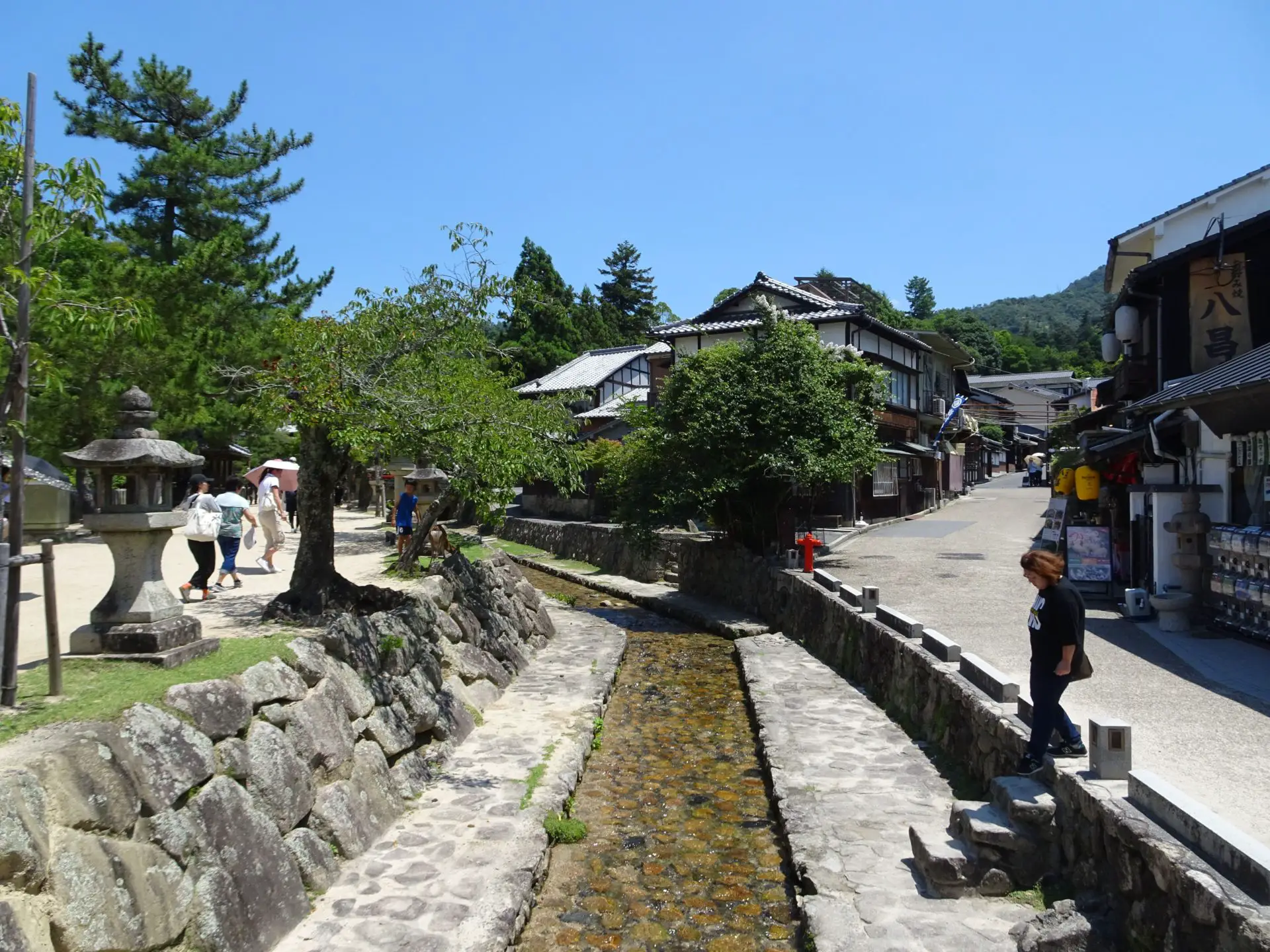
It also seemed to be massively popular with domestic visitors, which is always a good sign in our book. If you go there, try their awesome grilled oysters. If seafood isn’t your cup of tea, there are plenty of other restaurants in the surrounding area.
See Also
Everything you Need to Know about Visiting the Magnificent Itsukushima Shrine, Japan
Visiting the Bathhouse from Spirited Away and other Great Things to Do in Matsuyama, Japan
The Best Things to Do in Okayama, Capital of Japan’s “Land of Sunshine”