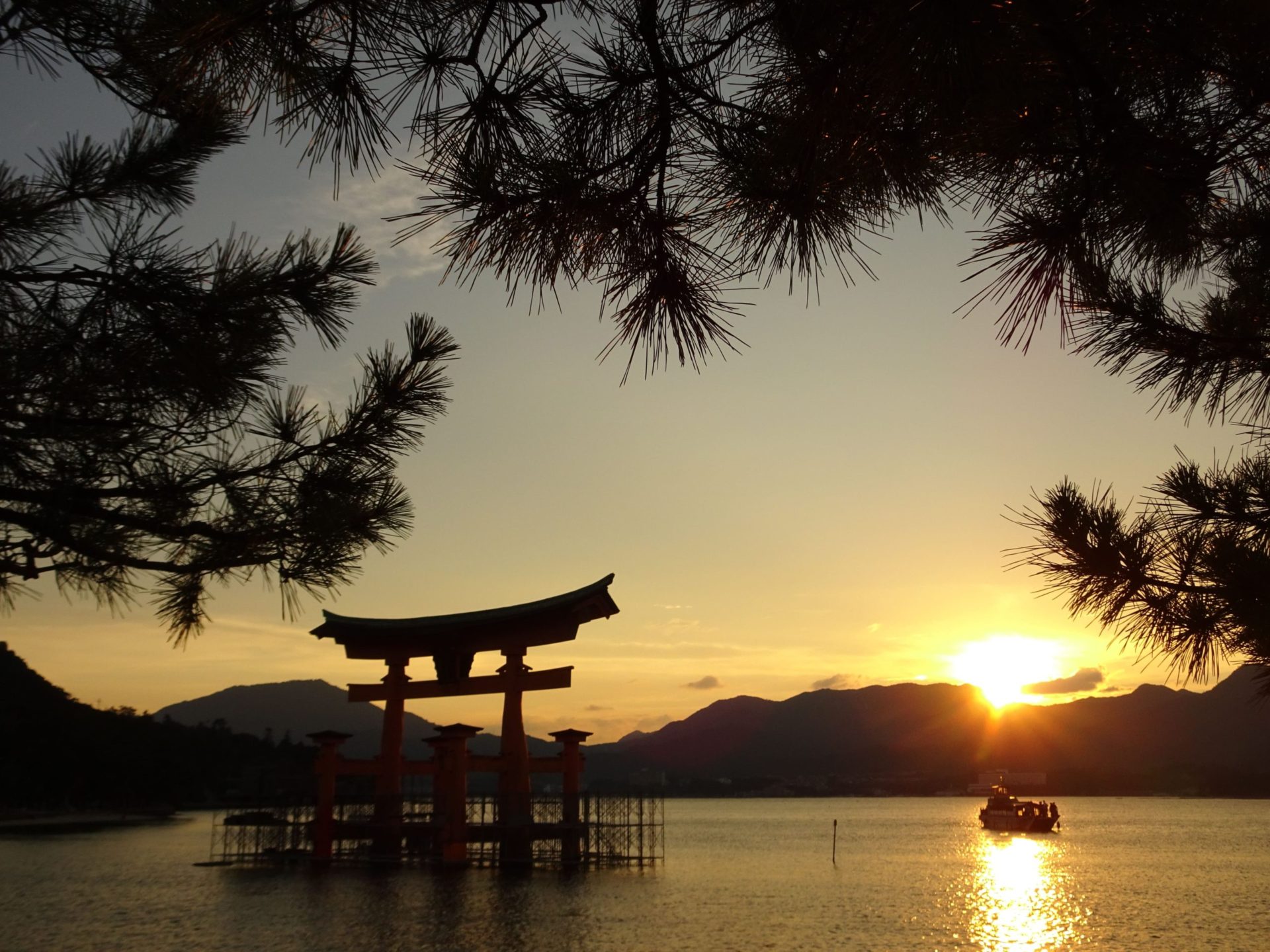
Even if you’ve never been to Japan, I’m sure that you’ve seen pictures of the beautiful vermilion gate of Itsukushima-Jinja, which looks like it’s floating on the waters of Hiroshima Bay. The torii seems to have become synonymous with the architecture of Japan’s Shinto shrines.
The shrine itself has been declared a UNESCO World Heritage Site and a National Treasure of Japan, and the view over the bay is one of the classic “Three Views of Japan“, which were selected by 17th-century scholar Hayashi Gahō.
Here’s everything you need to know about exploring this unique shrine.

This post may contain affiliate links, and I might earn a small commission at no additional cost to you. For more info, click here.
Guided Tours of Miyajima Island
If you prefer to visit with a knowledgeable guide, there are several Walking Tours or Rickshaw Tours of the island available. You can have a look at some experiences below.
The Historical Significance of Itsukushima Shrine
Itsukushima Shrine is thought to have existed in some form since at least the 6th century, but the complex that exists today mostly follows a layout from 1168 by Taira no Kiyomori, who was a military leader and one of the most powerful political figures of the late Heian period (794 to 1185).
That said, the buildings that are still around don’t all date to that time either, as many have been destroyed by typhoons and fires or were just damaged by seawater over the centuries, so large parts of the complex had to be rebuilt multiple times.
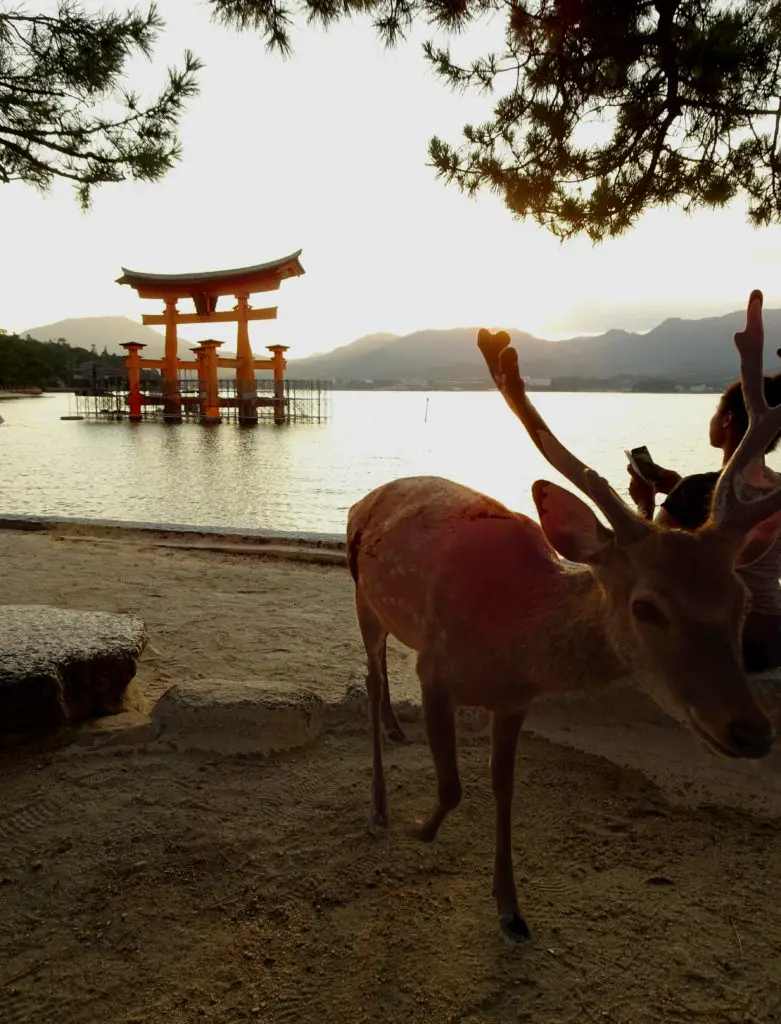
For instance, the famous gateway only dates to 1875, but it follows the original 12th-century version as closely as possible (as do the other structures). Something else that makes the shrine unique is the fact that the entire island of Miyajima was once considered sacred and ordinary people weren’t even allowed to set foot there.
This is also why the shrine was built over the water on wooden stilts, so people could visit by boat without physically touching the holy ground. At high tide, the buildings appear to float on the sea, which makes the shrine seem quite unreal.
Miyajima Hotel Tips
Budget: Sakuraya
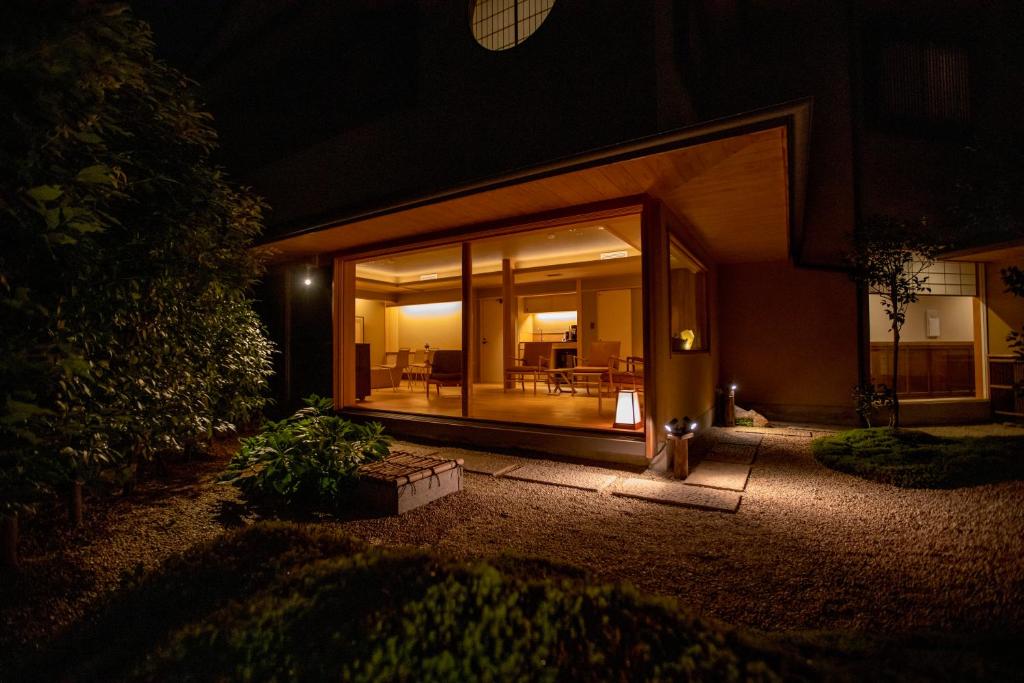
Midrange: Itsukushimahigashimonzen Kikugawa (pictured)
Luxury: Sion Hotel
.
What to See at Itsukushima Shrine
The Ōtorii (Great Gate)
Itsukushima Shrine’s most famous feature can be seen from all around the little bay, and you wouldn’t even have to pay an entrance fee to see it (although I found the other areas of the shrine worth checking out as well).
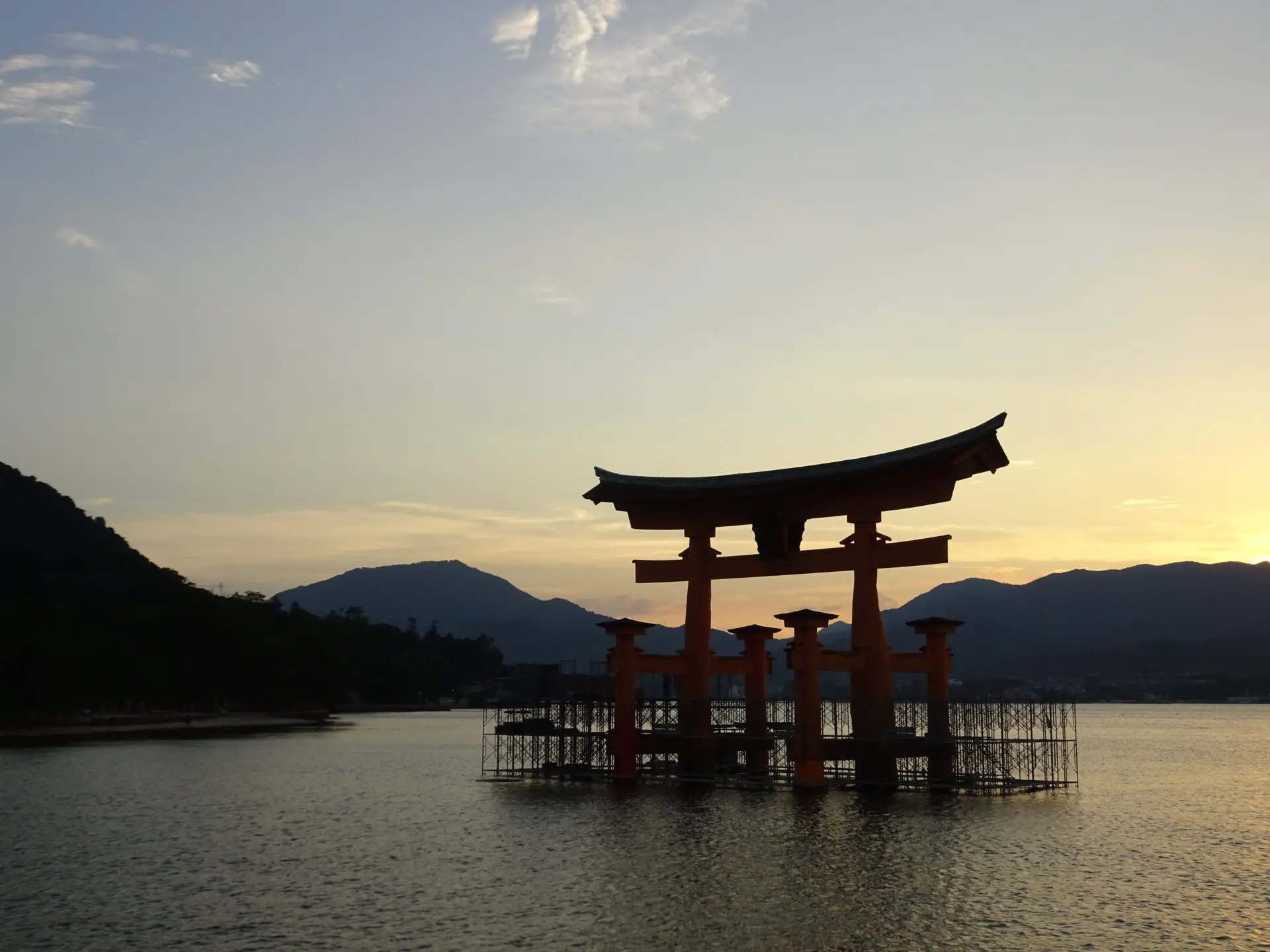
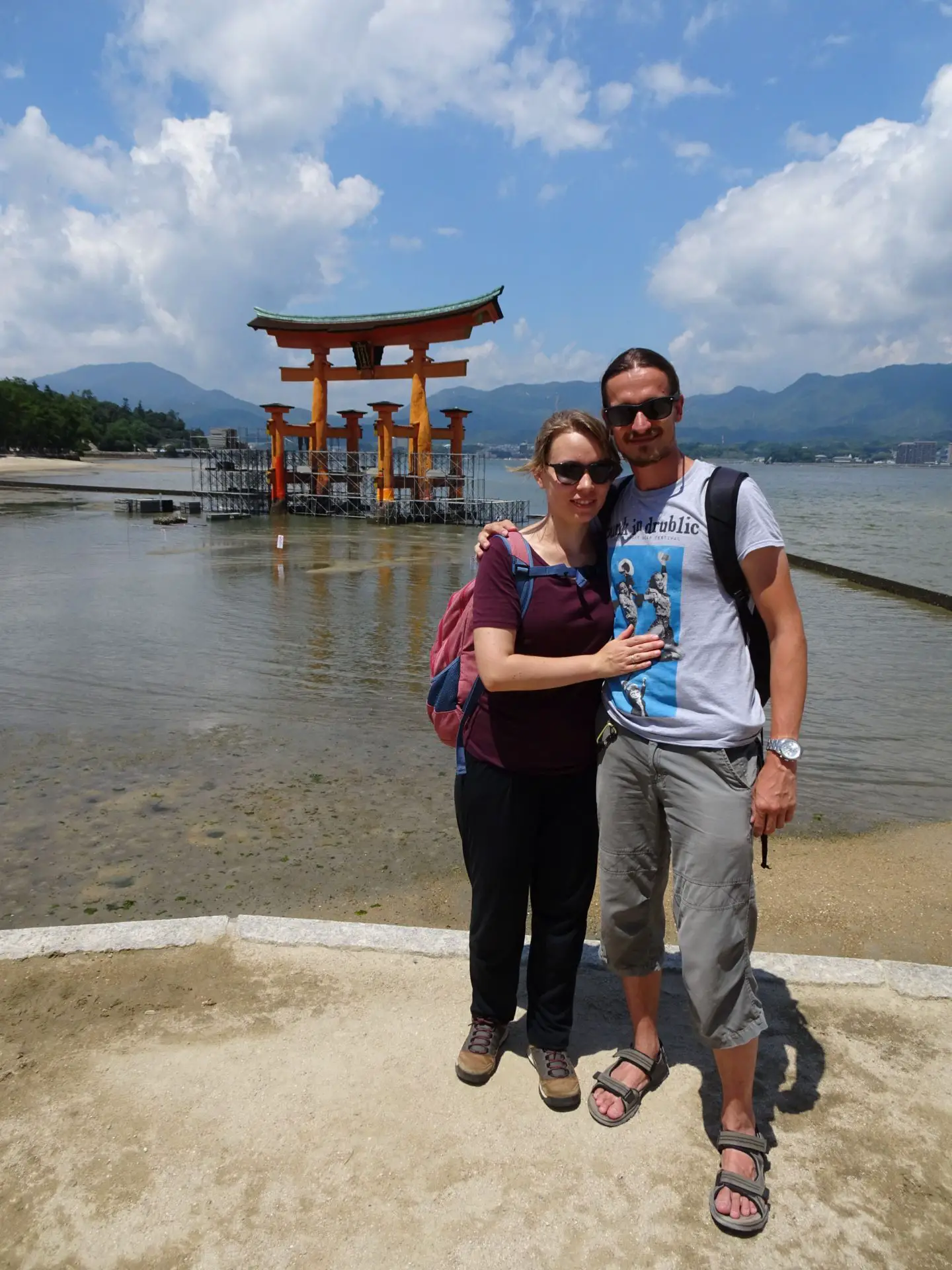
During low tide you can walk out to the gate, and during high tide it stands in the water and is reflected in the surface of the sea. If you have enough time to spend on the island, I recommend visiting it once at high and once at low tide to get the best of both worlds.
The Shrine Buildings
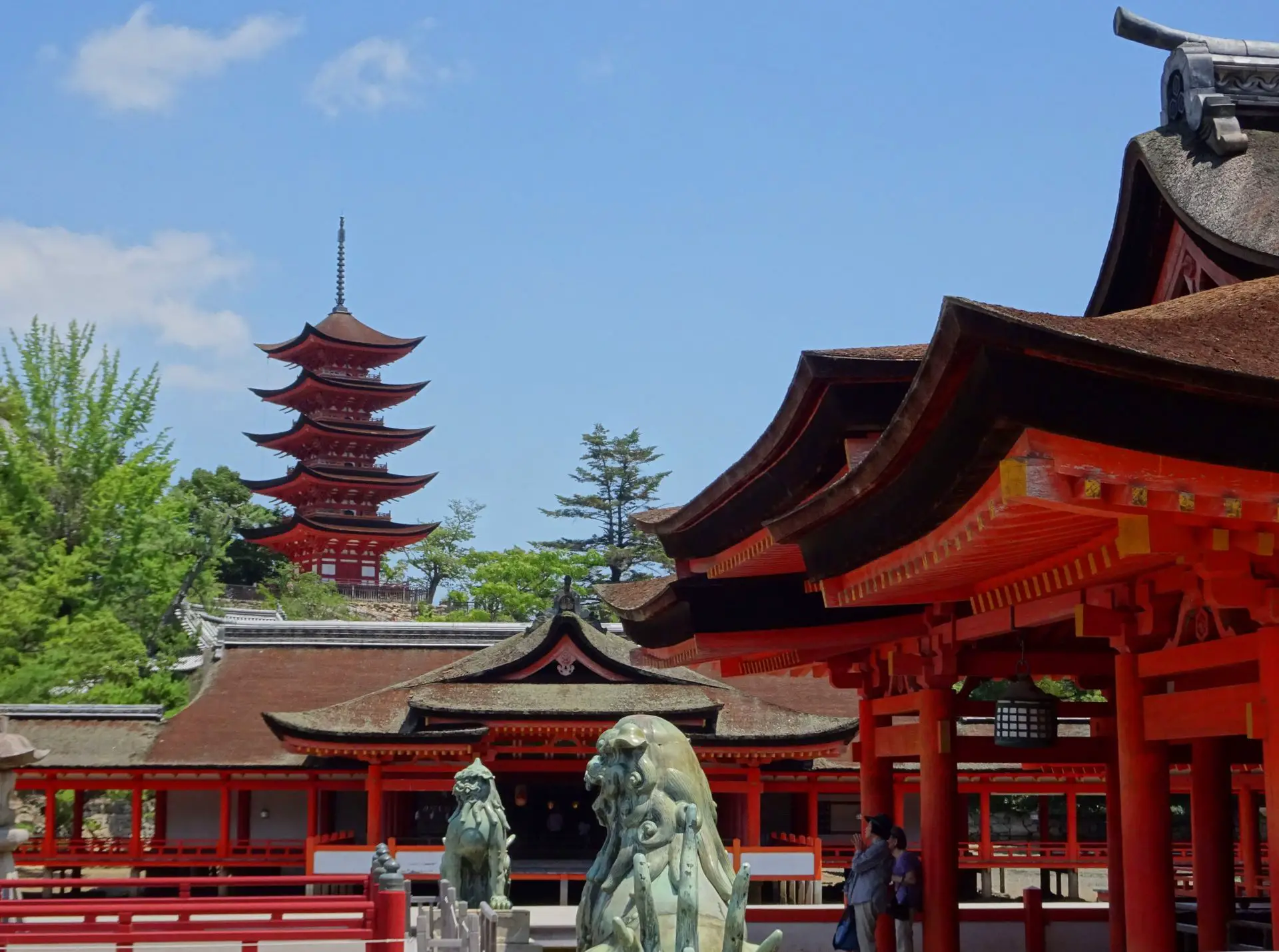
You’ll enter the complex from the north, where the first shrine you’ll pass is Marodo-jinja or the “shrine for guest deities”, which is the biggest of the secondary shrines in the complex. This is one of the oldest parts of the shrine, as it didn’t need to be reconstructed as often as other structures.
When you continue along the walkway, there are some great views of other parts of the shrine as well as the torii. If you’re a photographer, there are lots of possibilities for cool shots here. We visited the shrine itself right after we arrived on the island, which was at low tide.
If you can manage it, I think coming at high tide would be much better, as the buildings will be reflected in the water, too (and it will generally be prettier).
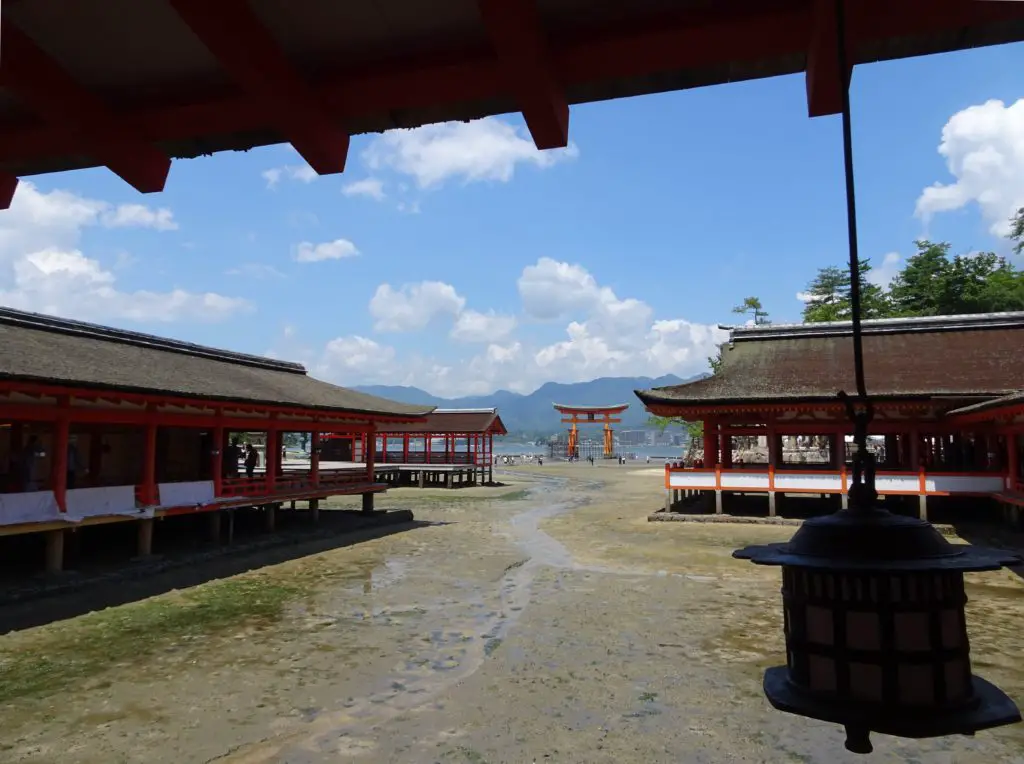
The main shrine building in the centre of the complex is dedicated to the female deities of the sea, transport, fortune and the arts. It consists of the haiden (worship hall) in the front and the honden in the back, which is the holiest building in the shrine.
The square area to the north-west of the haiden is the Takabutai, an elevated stage that was used for court dances (bugaku) and the small buildings on both sides are the chambers for the musicians who were accompanying the dance.
When you continue along the walkway, you’ll find the small Daikoku Shrine south of the main honden, which is used for worshipping Daikoku, the deity of match-making. Directly to the west is the Tenjin Shrine dedicated to Sugawara no Michizane, who was a scholar and poet of the Heian Period (794 to 1185).
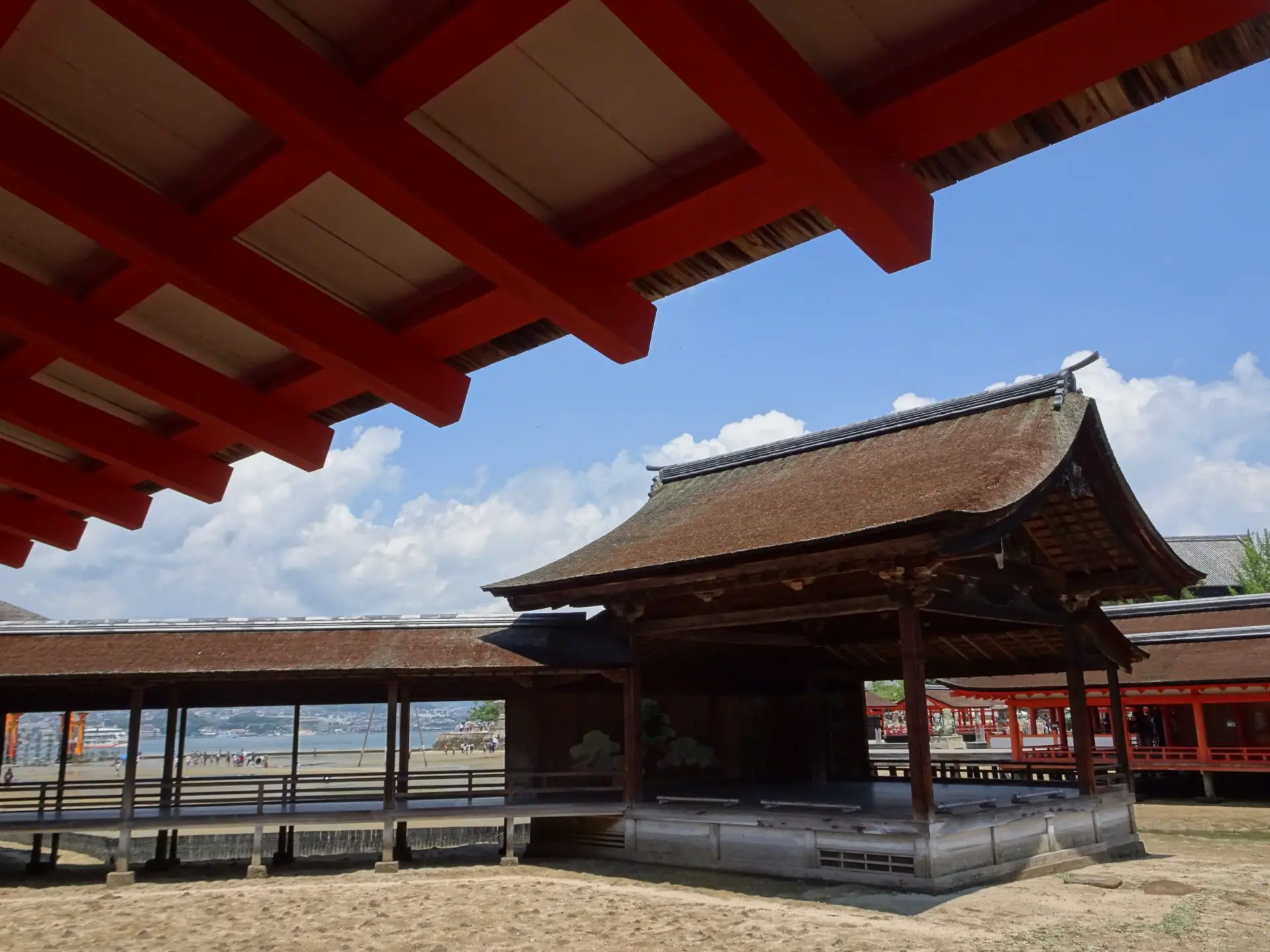
If you continue south-west along the main walkway, you’ll notice a small Noh Stage, which was used for theatre performances that re-enacted key events in Shinto myth. We also liked the pretty arched Sori-Bashi Bridge to the South, which was only used by Imperial messengers visiting the shrine.
The Treasure Hall
Directly opposite the exit of the complex is the shrine’s Treasure Hall, which contains lots of precious objects connected to the shrine. Our favourites were some beautiful painted scrolls that were donated to the shrine by the notorious Heike Clan.
There are also impressive pieces of samurai armor and swords as well as some wooden masks which were used for bugaku, the court dances that took place on the Takabutai stage. The giant sliced tree trunk that stands in front of the treasure hall entrance used to hold a pillar for the torii until its reconstruction in 1875.
Map of Itsukushima Shrine
You can find all of the shrines and structures that I described above in this map of Itsukushima-Jinja.
Practicalities
How Much is the Entrance Fee?
A separate ticket for the shrine is 300¥, but we bought a combination ticket to the shrine and treasure hall, which was 500¥. We thought the amount of beautiful objects in the treasure hall was worth the extra 200¥.
What Are the Opening Times?
The exact opening times are different from season to season, but you can check the current ones here.
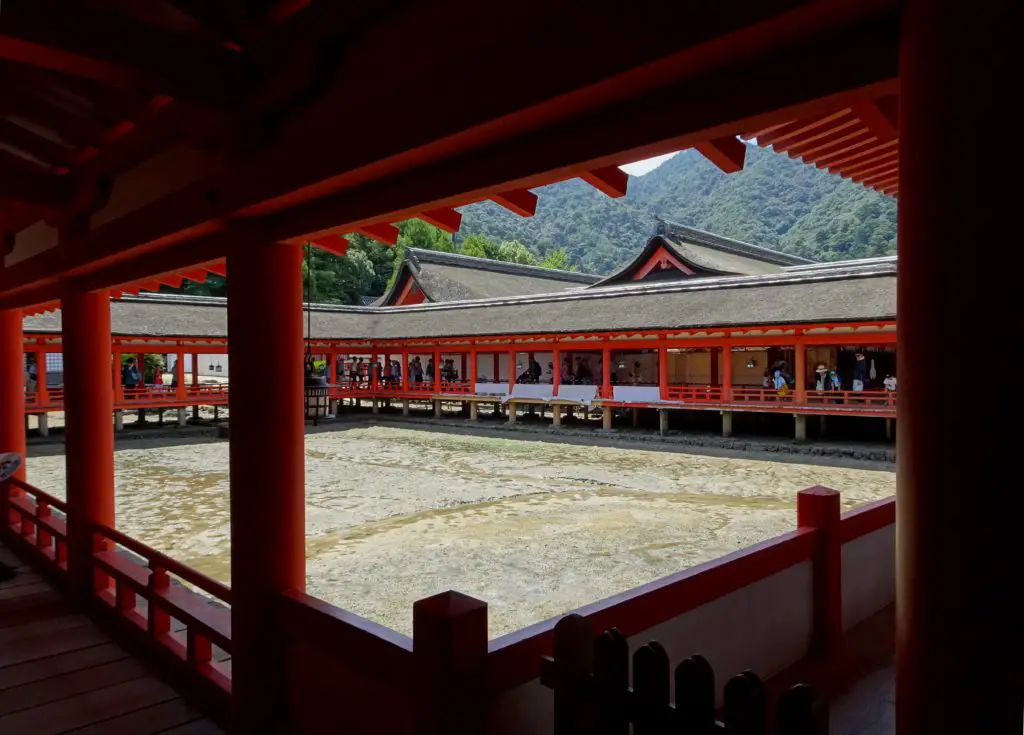
If you only have a short time on the island, it’s best to check the local tide tables, as the classic appearance of the otorii ‘floating’ on the sea only happens at high tide.
How to Get to Itsukushima Shrine
The only way to reach the island is by ferry from the mainland. The cheaper option is to take the train along the JR Sanyo Line to Miyajimaguchi Station (about 30 minutes/420¥ from Hiroshima Station), then walk down the big road south-east of the station for 5 minutes to the pier.
Ferries go every 15 minutes between 8am and 7pm, and a little less frequently in the hours before/after. You can check the entire schedule here. The trip takes only about 10 minutes and there are some nice views of the otorii on the way. The return trip is 400¥.
The faster but more expensive option is to take the direct high-speed ferry from Hiroshima Ujina Port, which takes about 30 minutes and costs 1,900¥. You can check the schedule here.
Once you’ve arrived on Miyajima Island, you’ll have to turn right at the ferry terminal and follow the coastal road for about 10 minutes until you reach the shrine.
Where to Stay Near Itsukushima Shrine
We stayed at Bar & Hotel Colors Miyajima, which is located on the mainland close to the ferry pier for the island.
Miyajima Island itself also has a few hotels, but most of them are in the mid-range segment, like Itsukushimahigashimonzen Kikugawa. One of the cheaper options would be Sakuraya, while Sion Hotel is a well-rated luxury choice. You can have a look at this map for more options.
Where to Eat Near Itsukushima Shrine
There’s no shortage of restaurants around Miyajima Village. We had lunch at Torii, which had good, affordable seafood, even though it’s located in the most touristy area of the island.
It also seemed to be massively popular with domestic visitors, which is always a good sign in our book. If you go there, try their awesome grilled oysters. If seafood isn’t your cup of tea, there are plenty of other restaurants in the surrounding area.
Other Things to See on Miyajima Island
Besides Itsukushima Shrine, Miyajima Island has tons of other historical sites worth checking out, and I can also recommend climbing Mount Misen for some awesome views all around. Check out my guide to the rest of Miyajima Island here!
See Also
The Best Things to See and Do on Miyajima Island, Japan
The Best Things to Do in Okayama, Capital of Japan’s “Land of Sunshine”